
2026 Aston Martin Valhalla
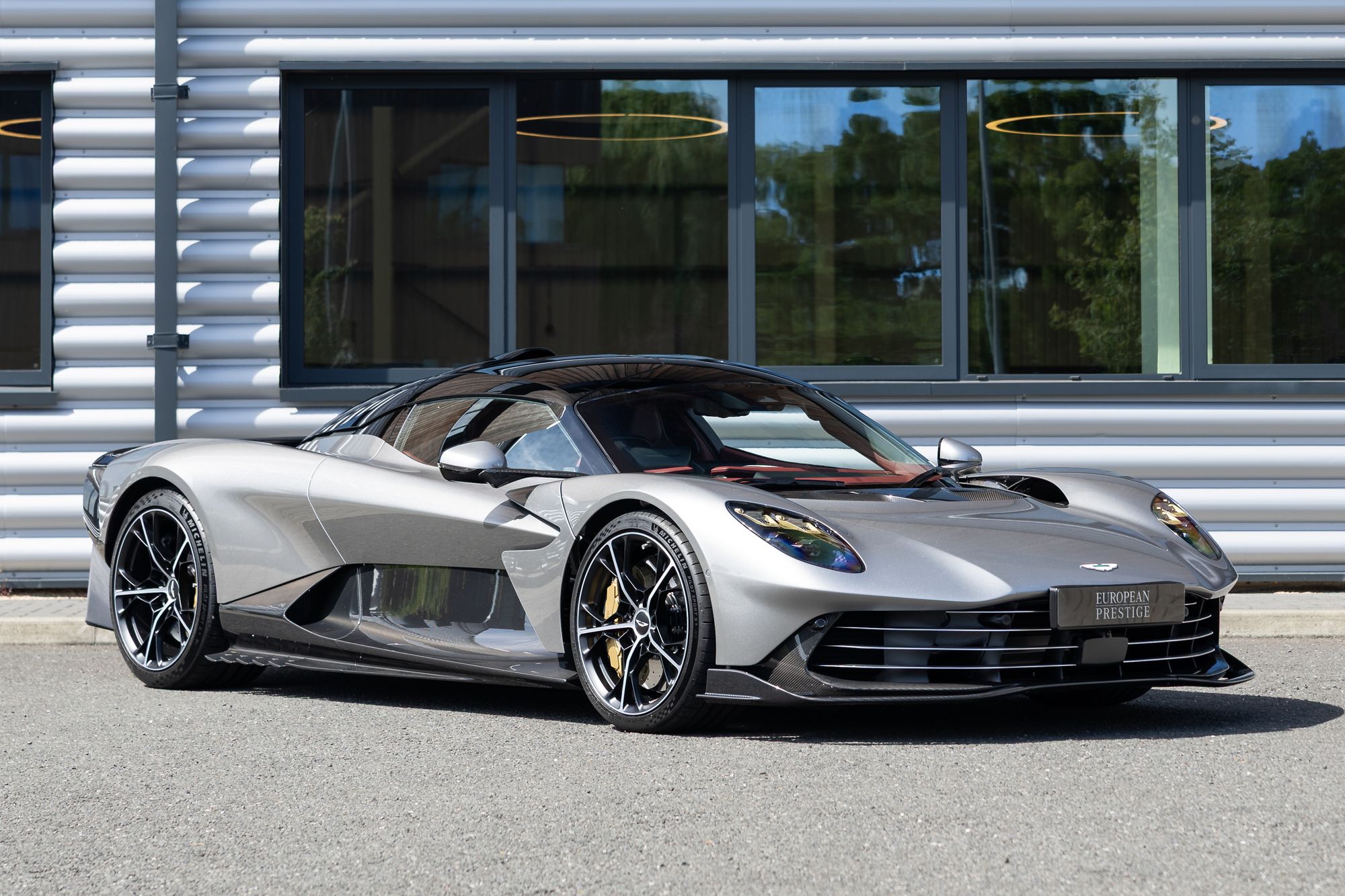
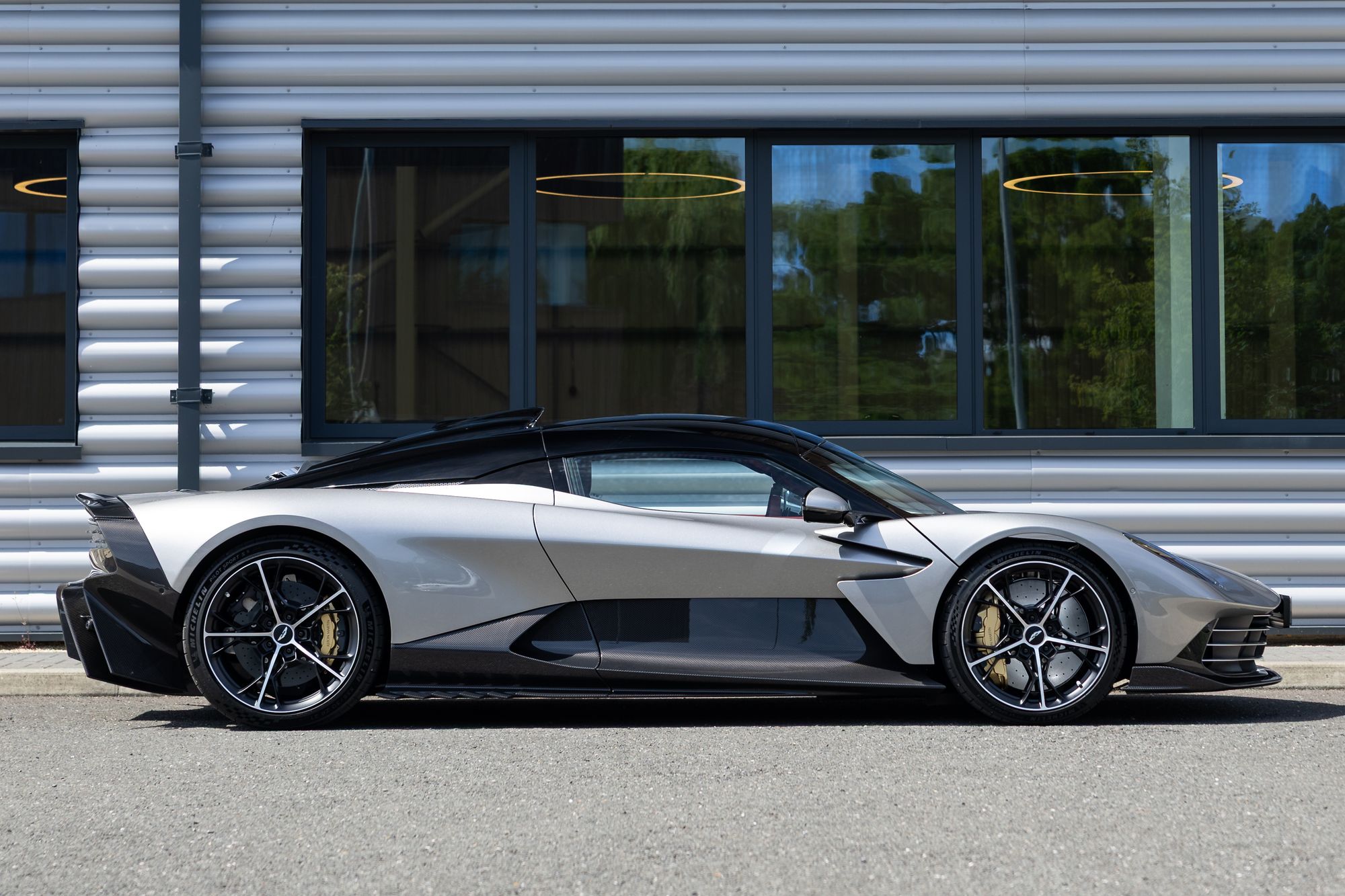
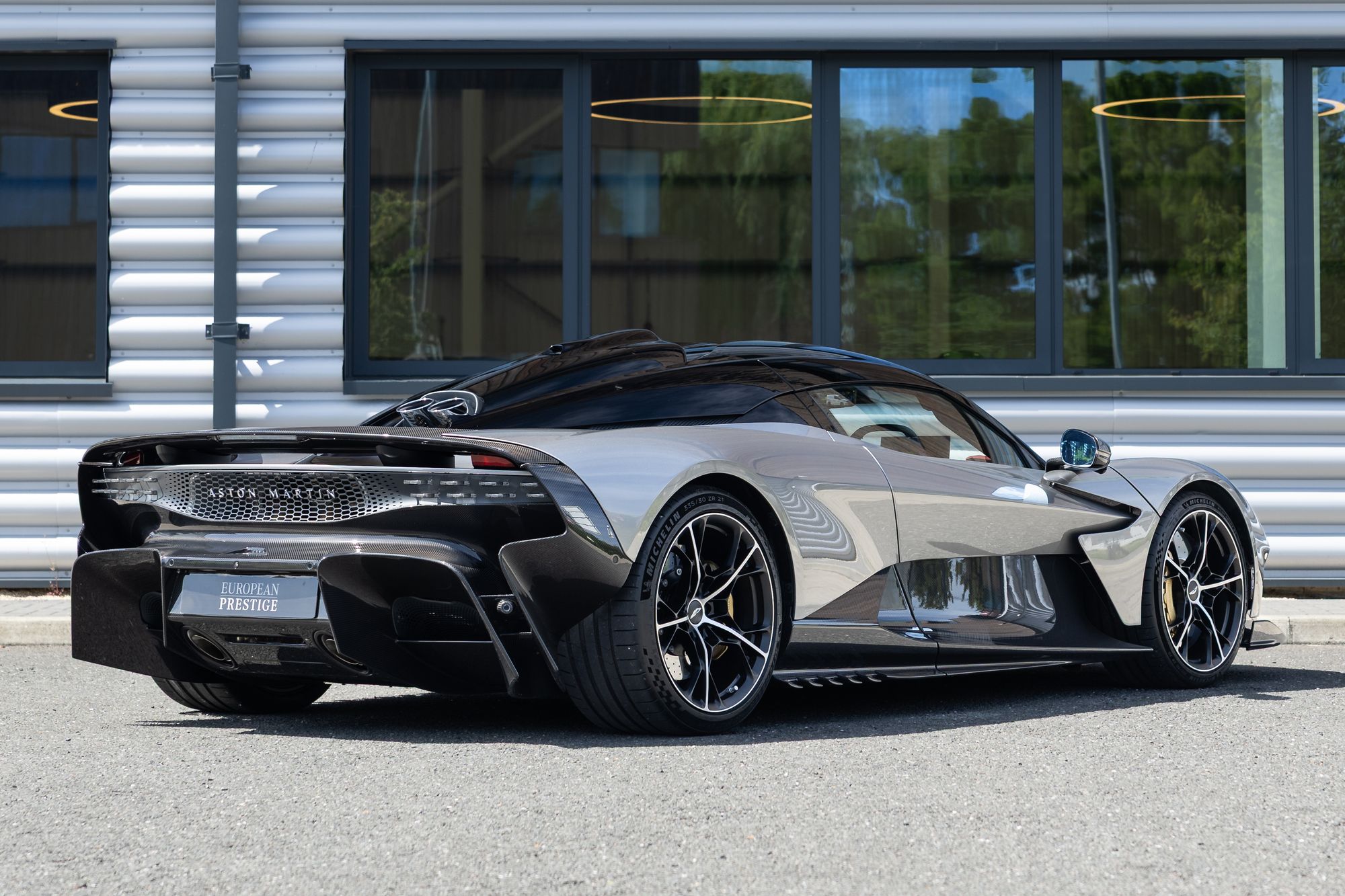
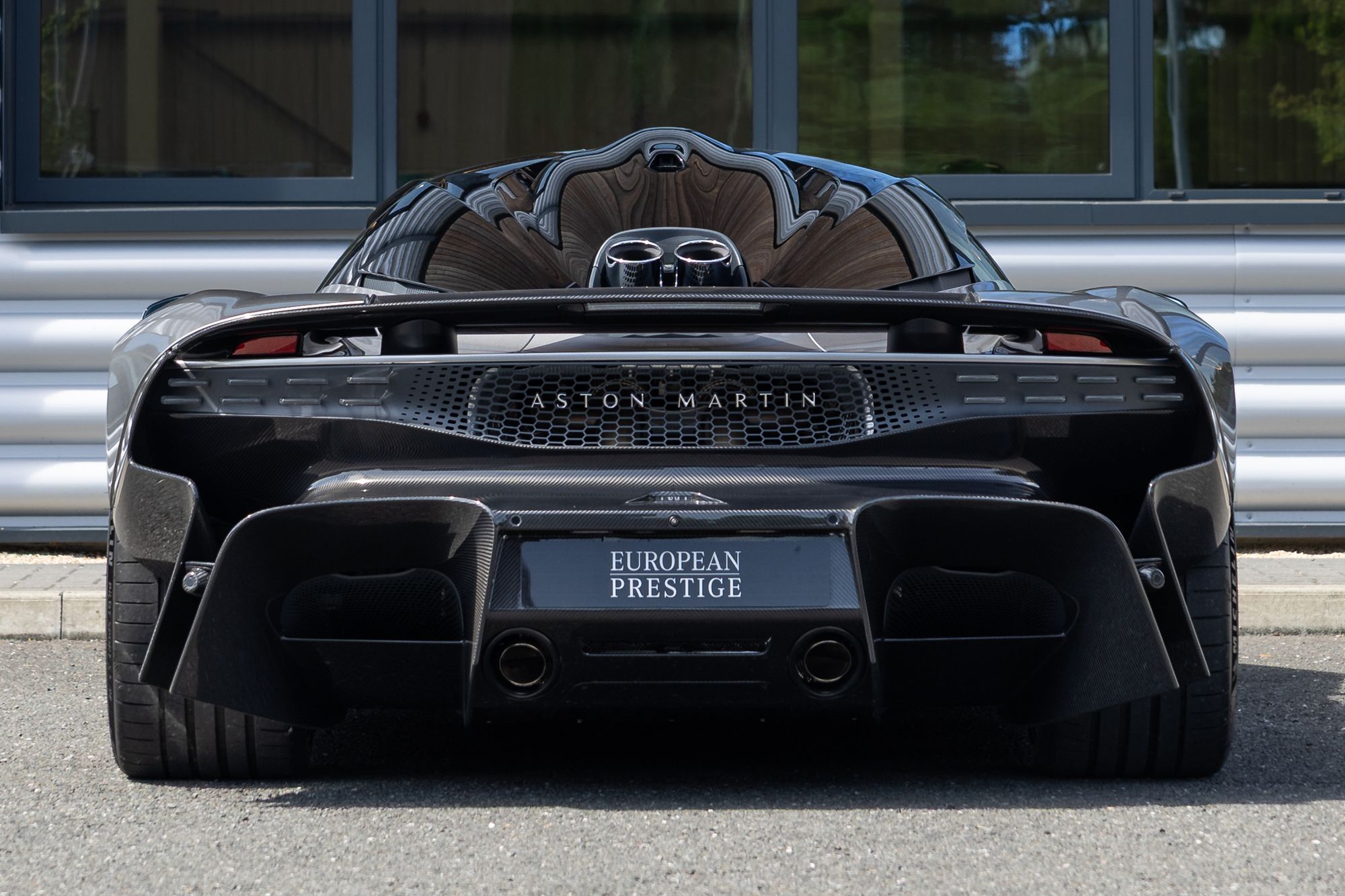
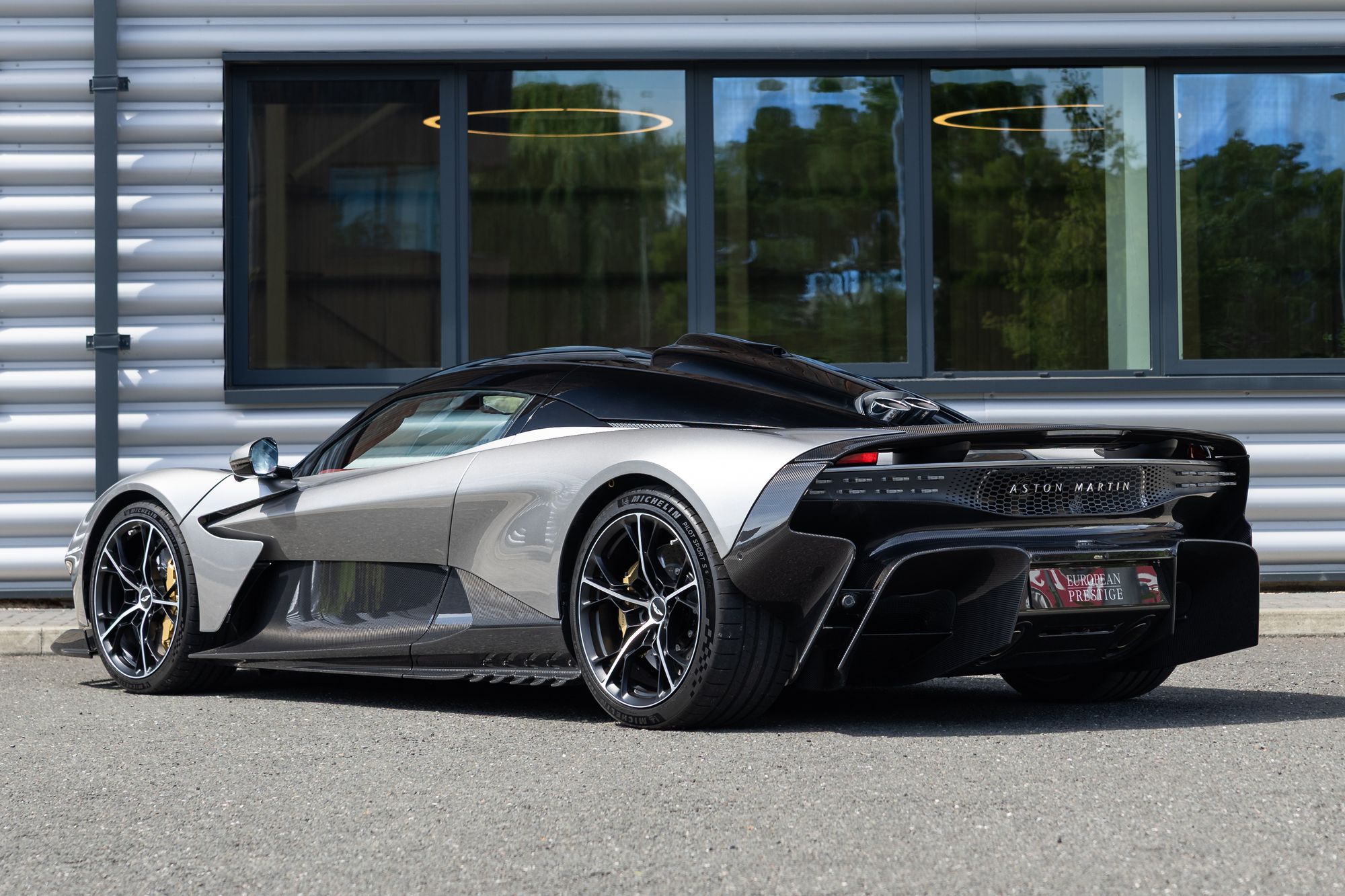
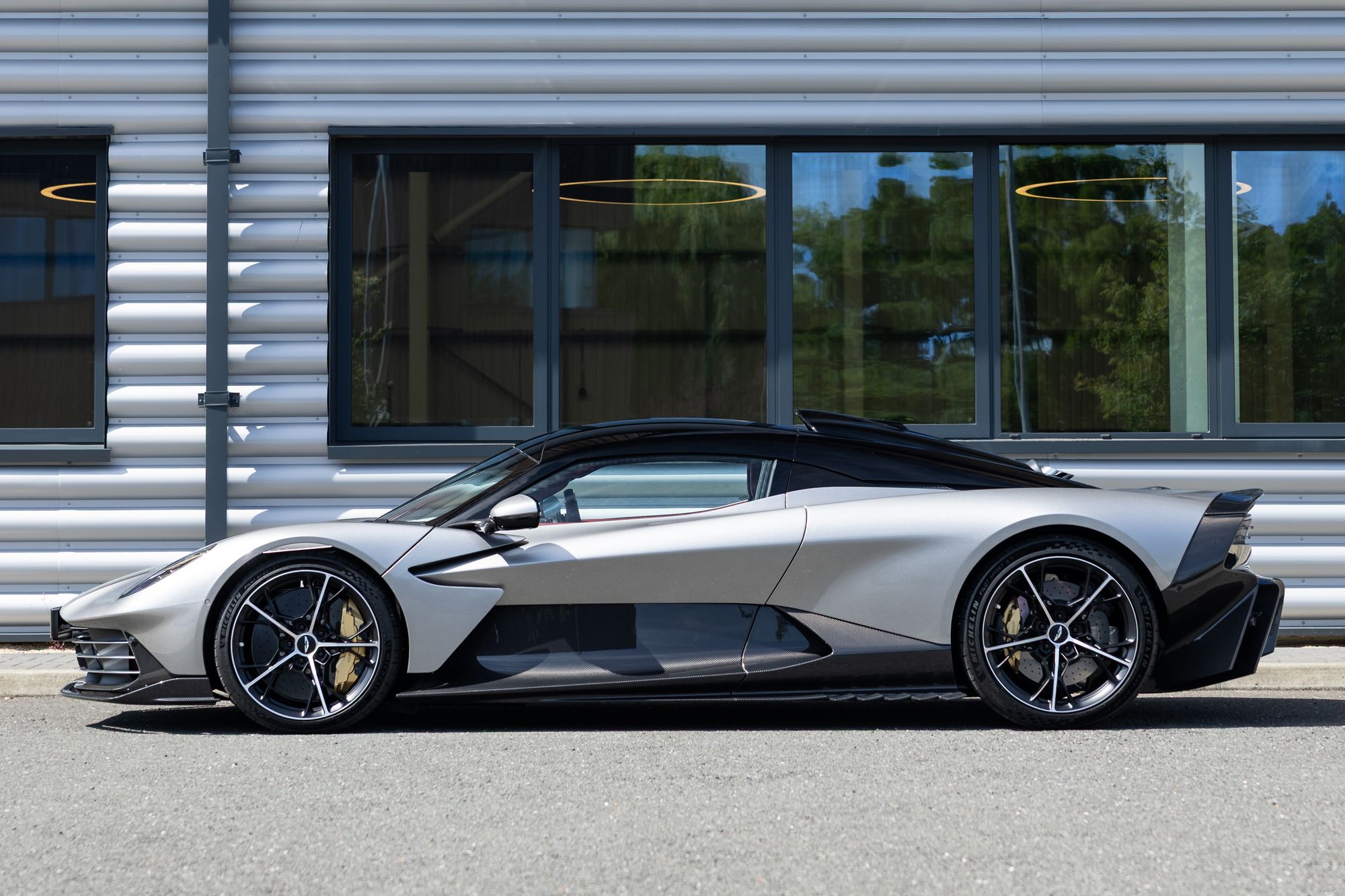
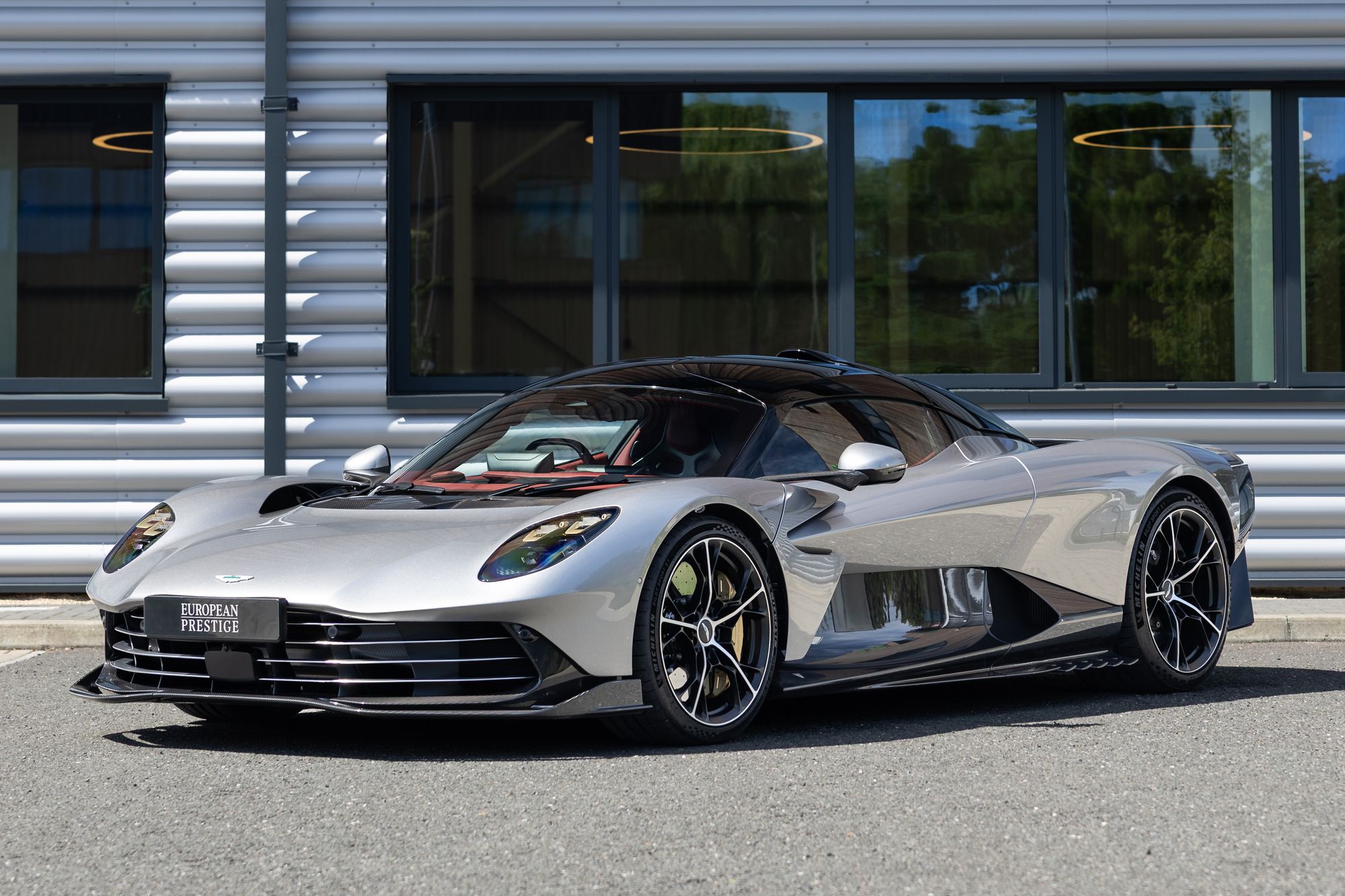
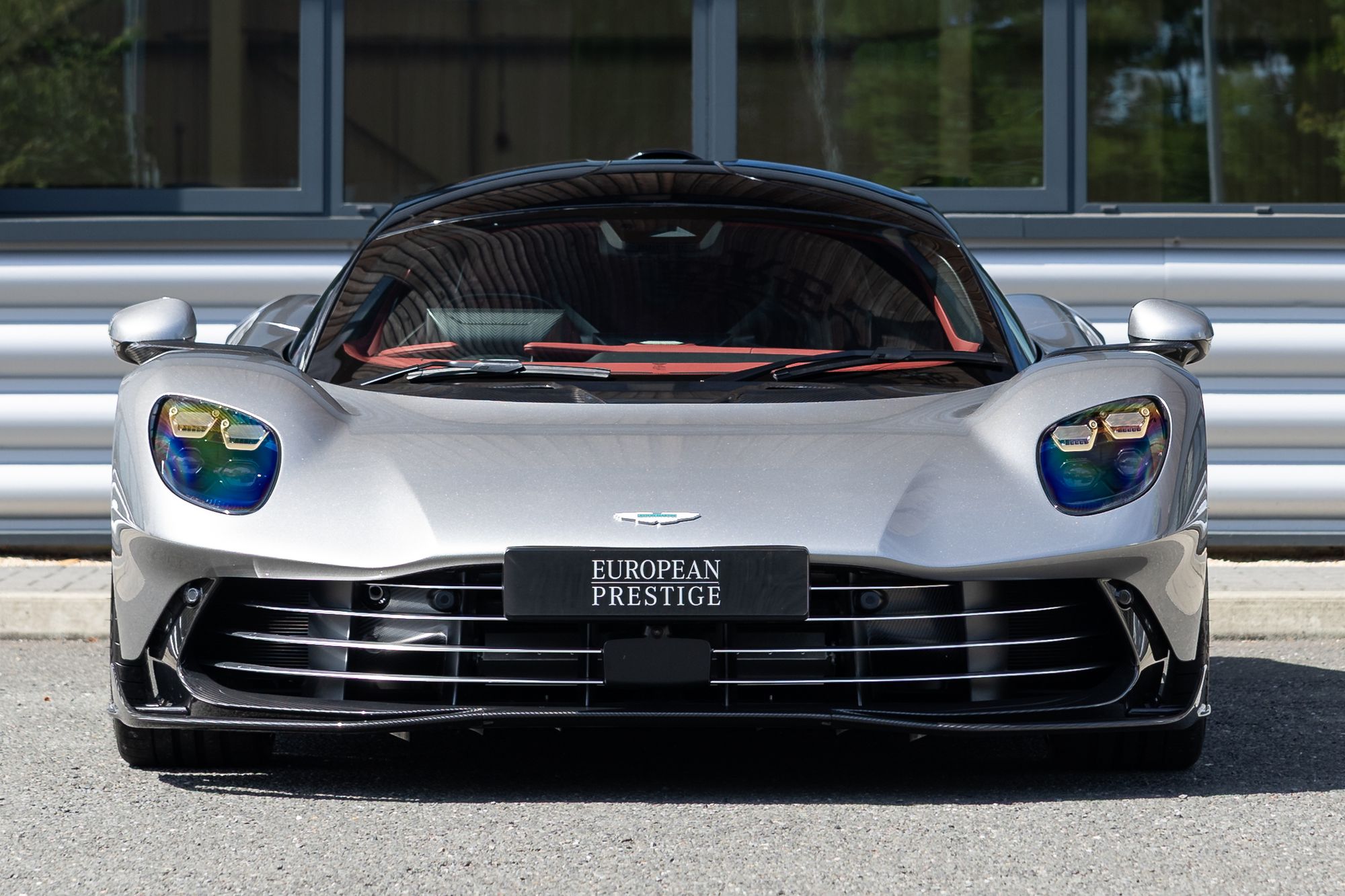
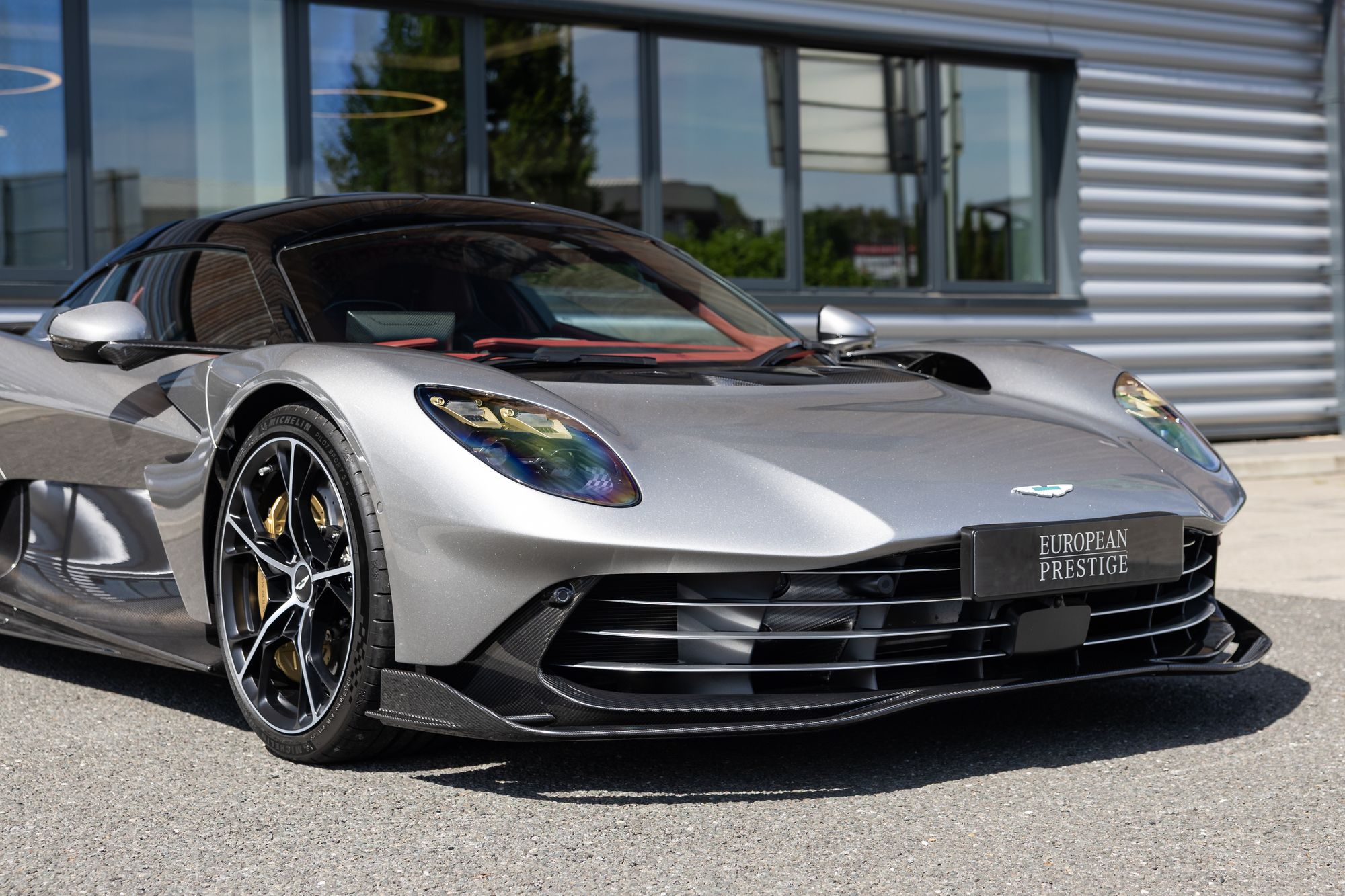
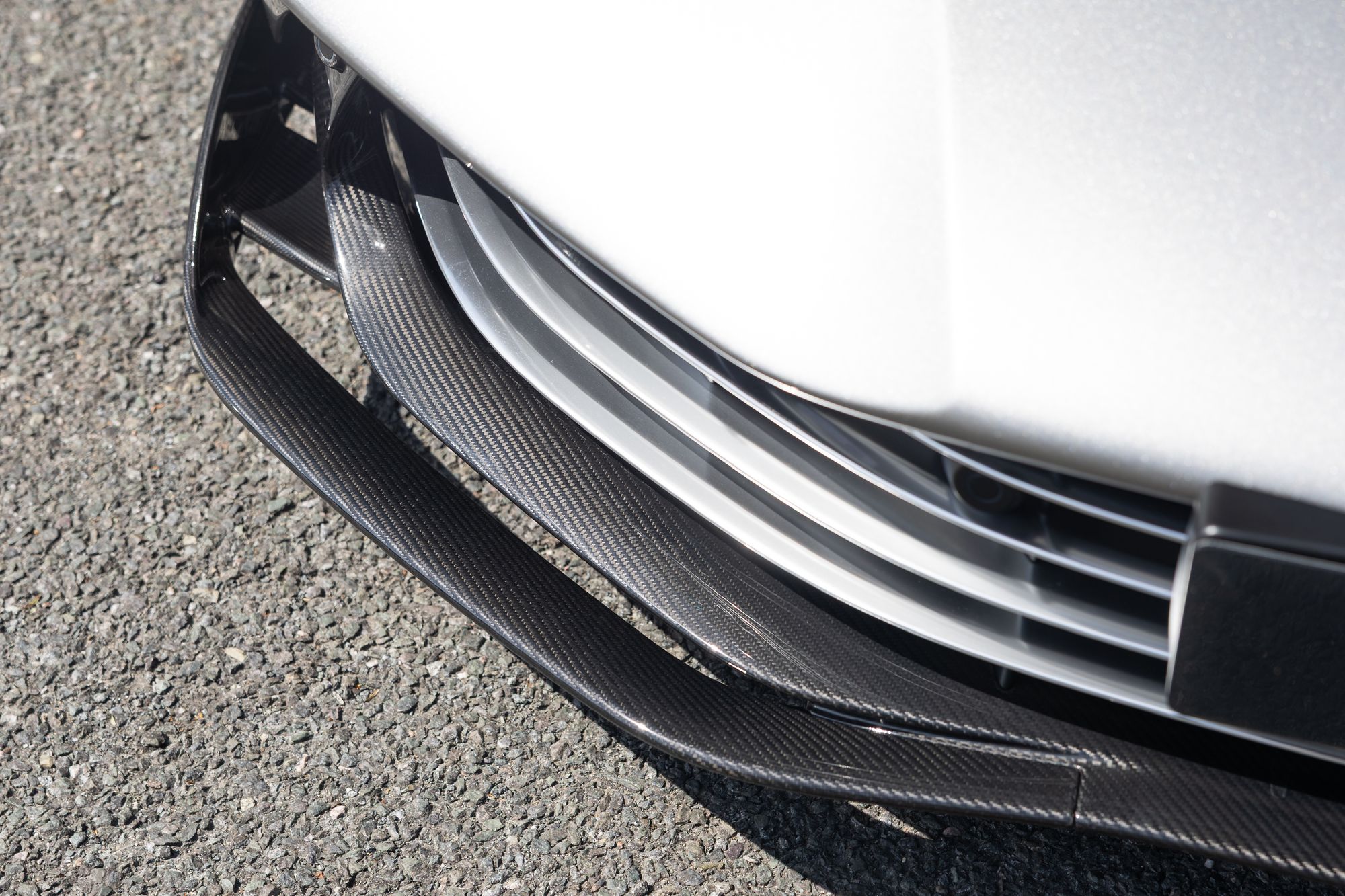
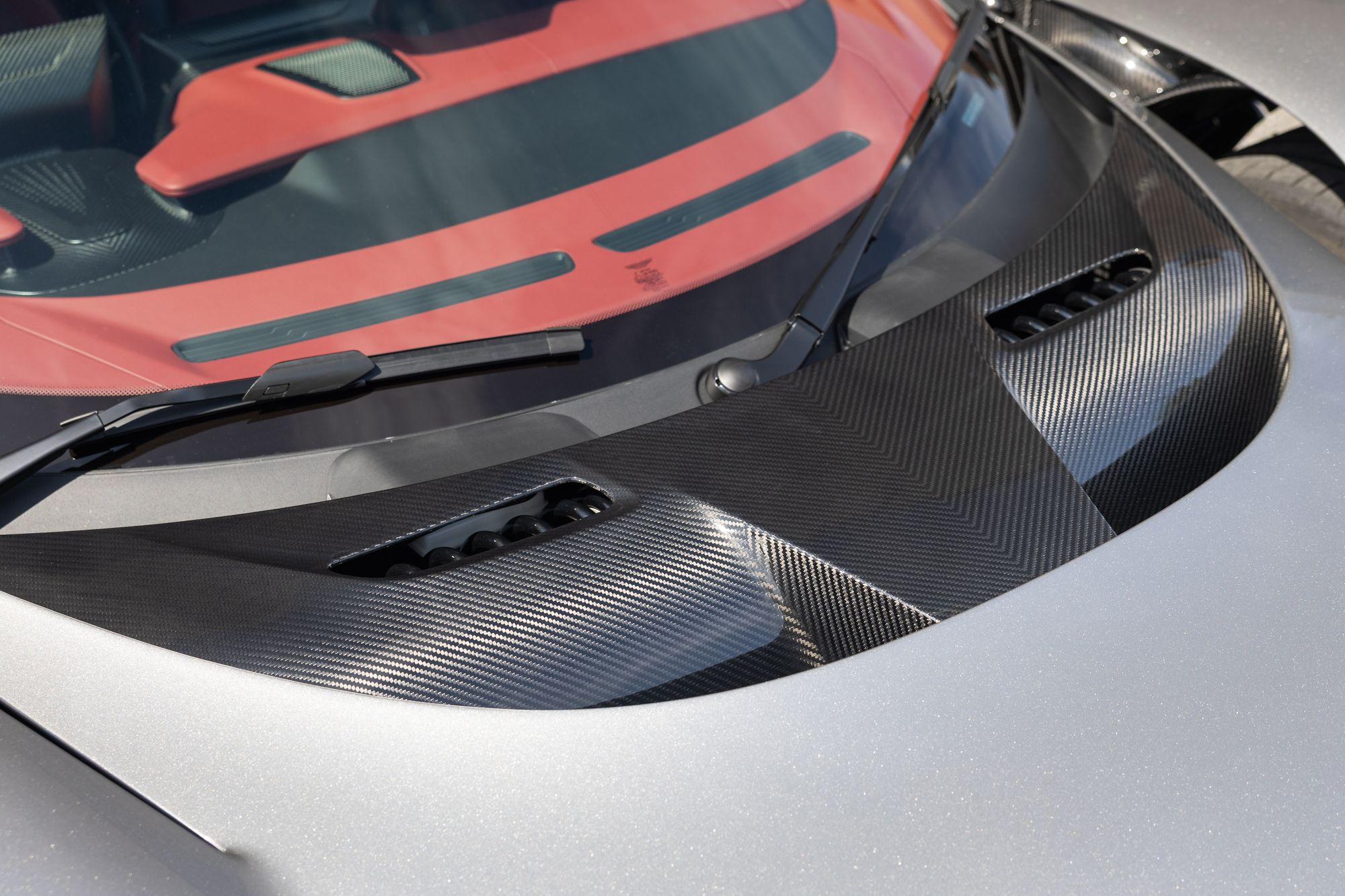
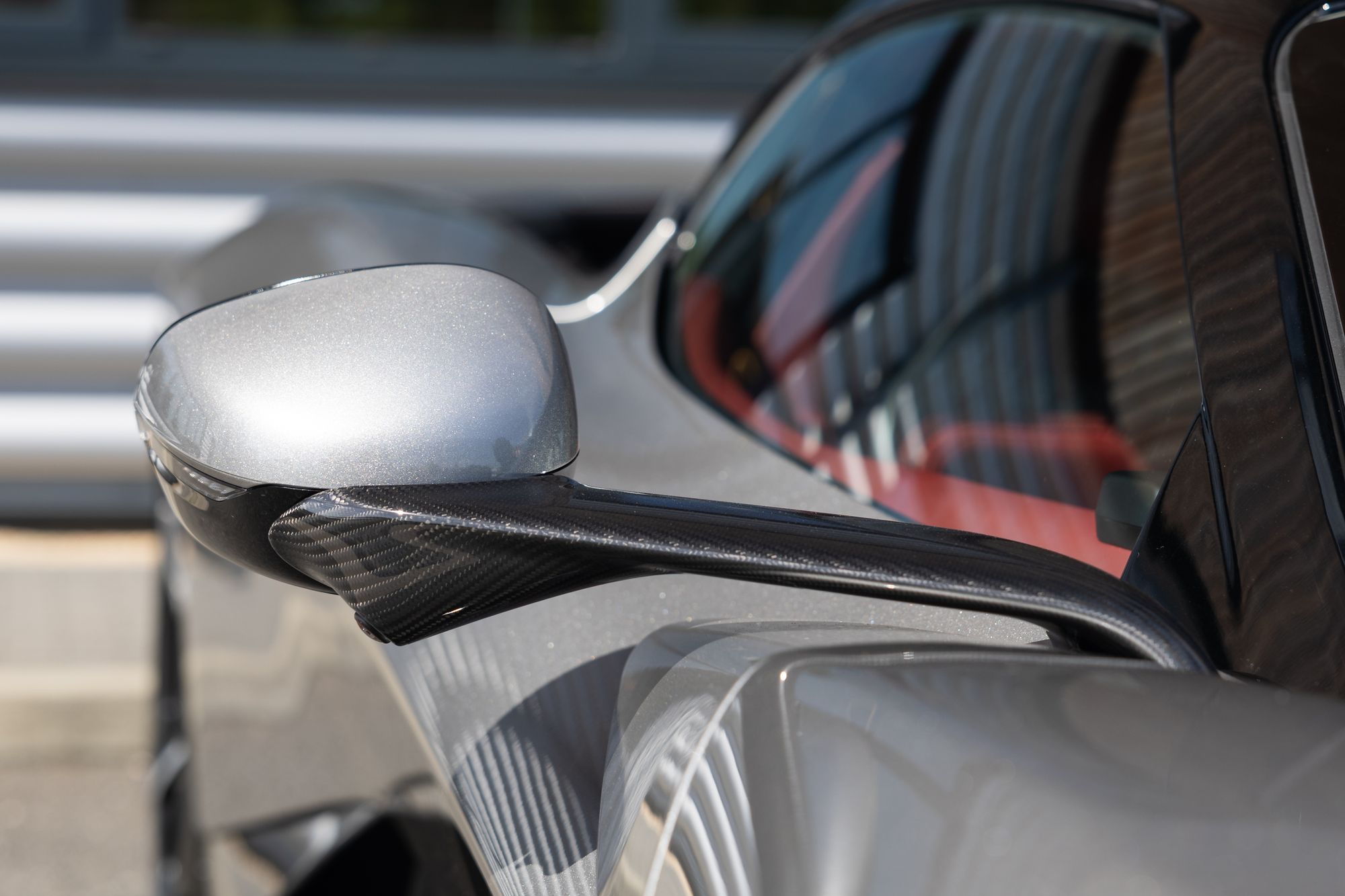
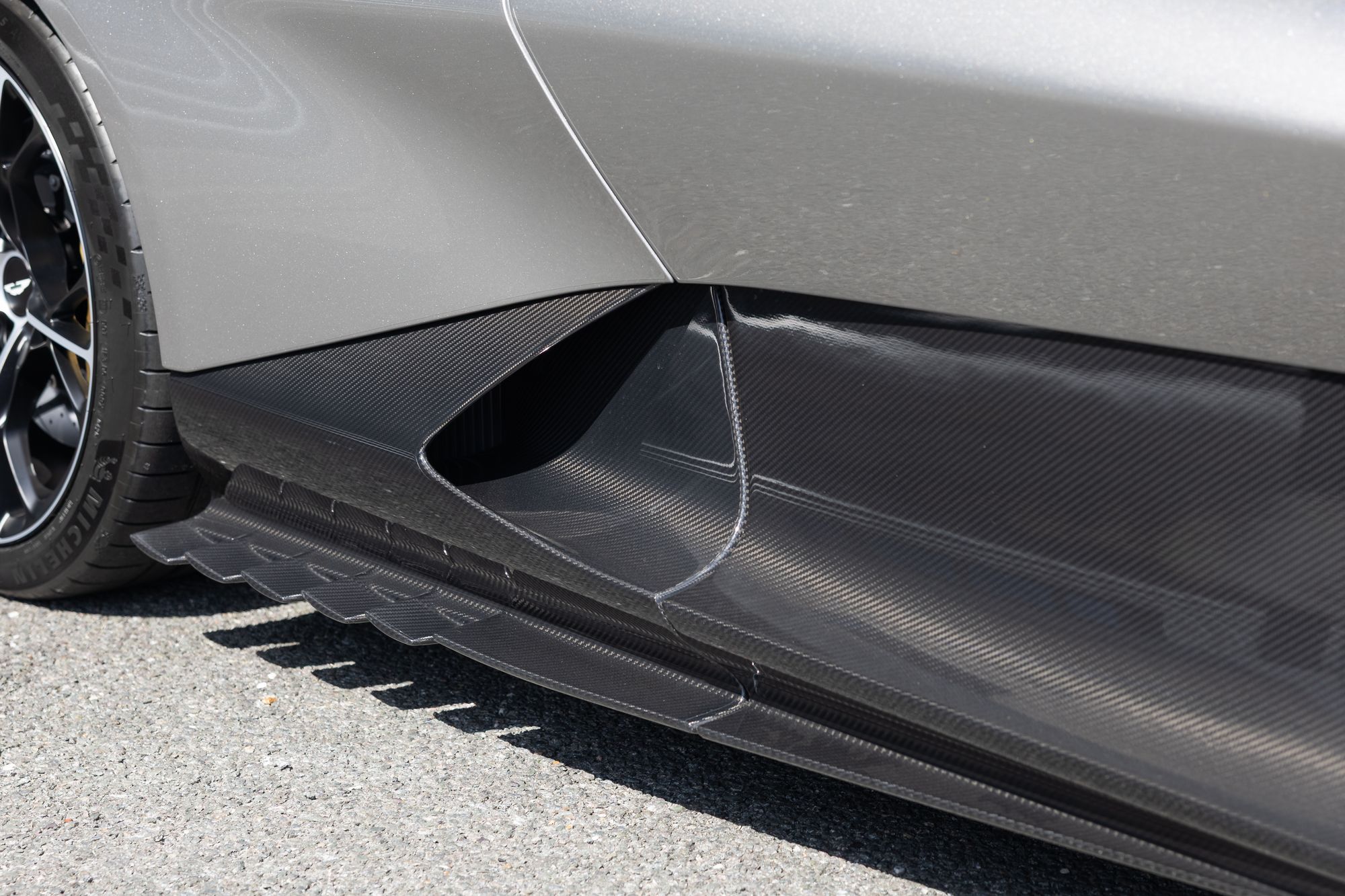
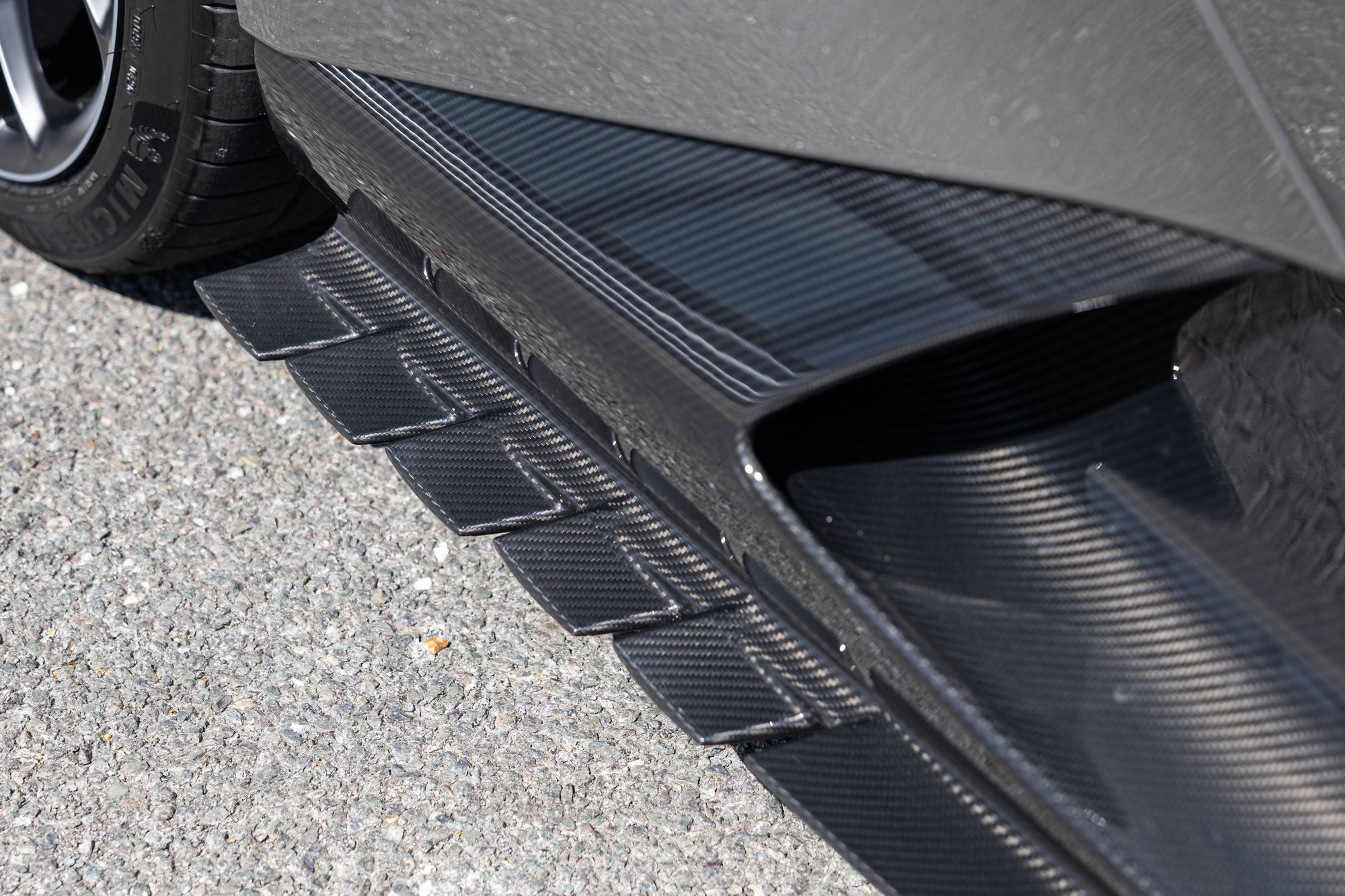
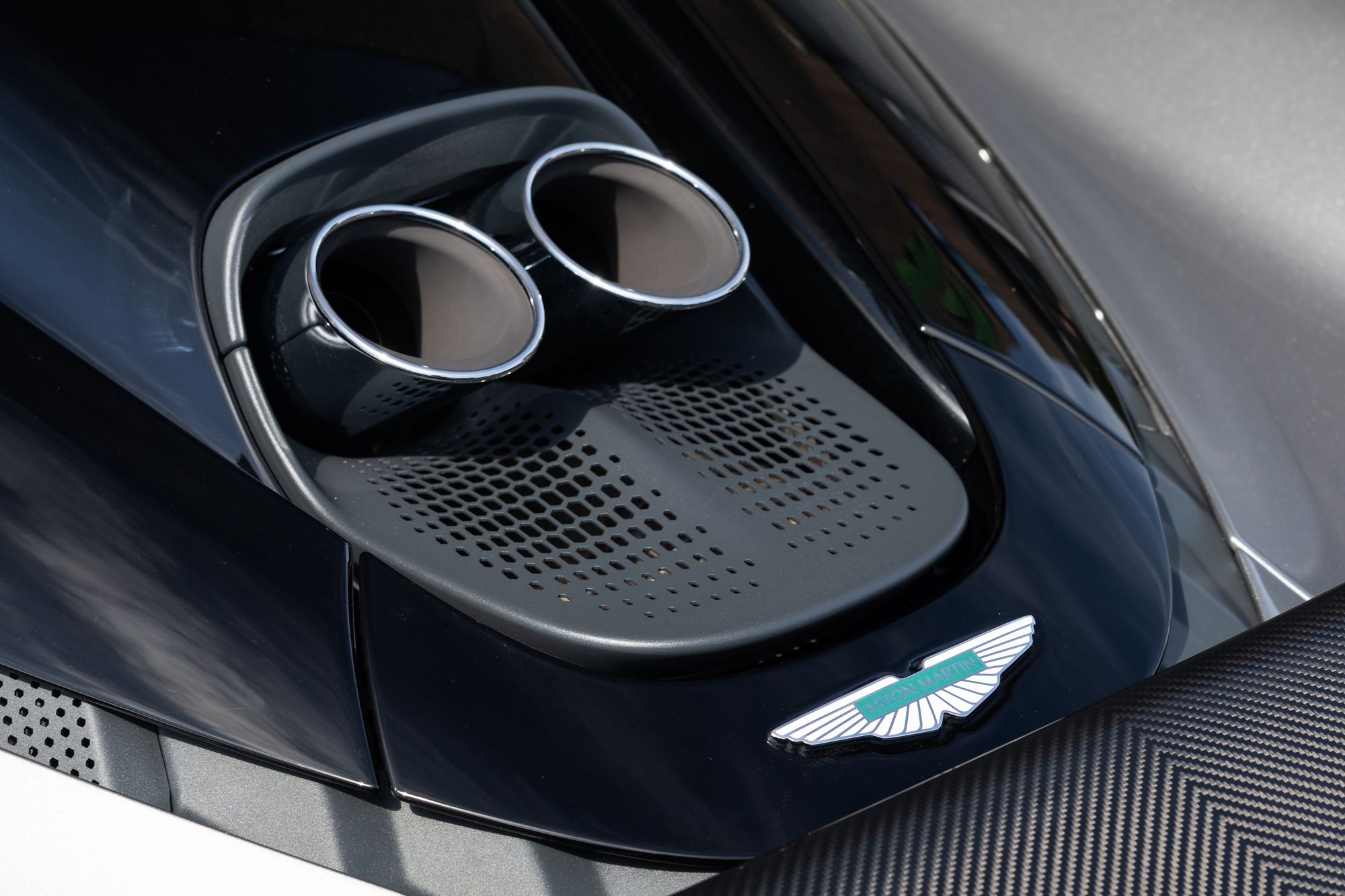
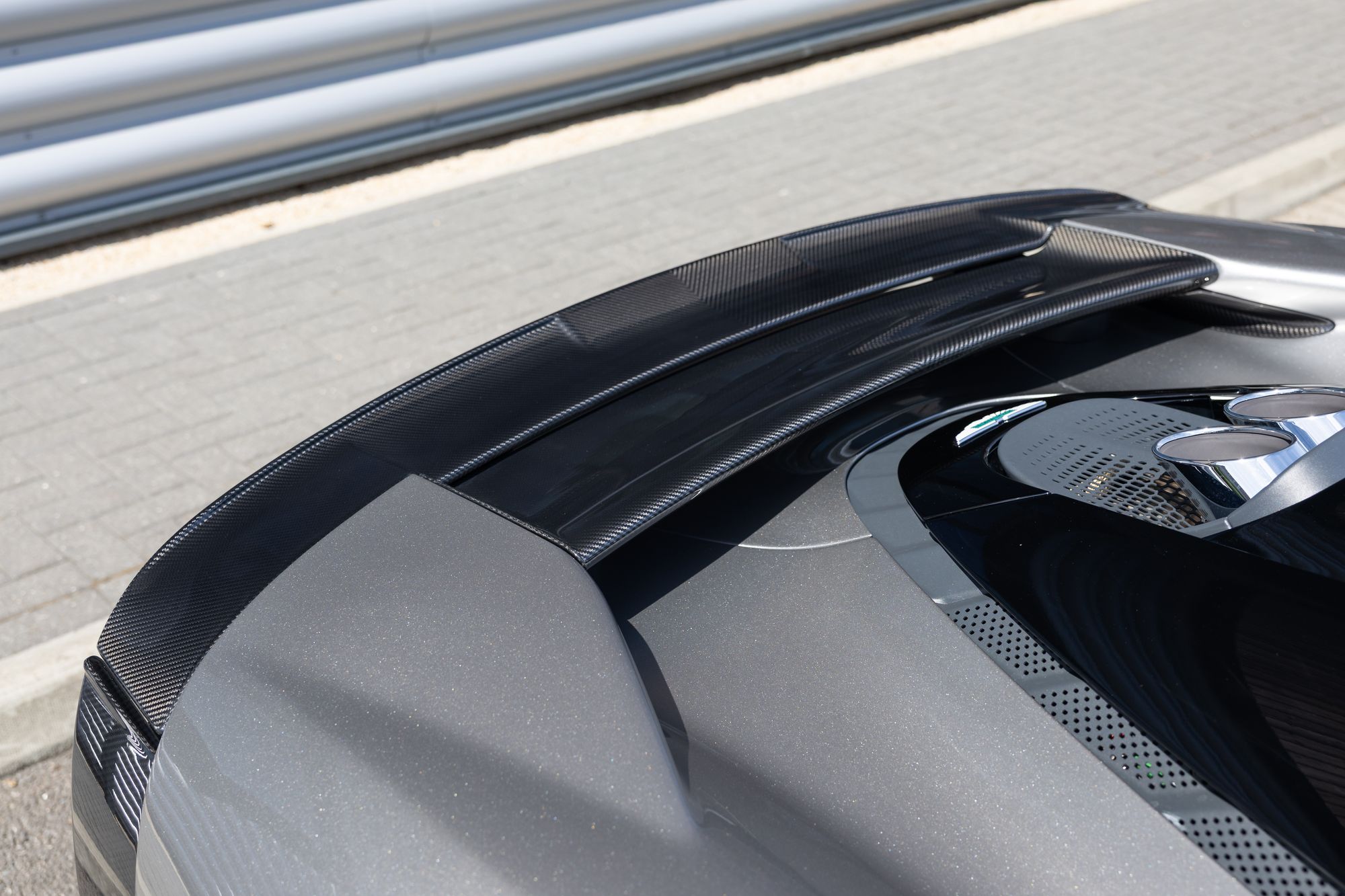
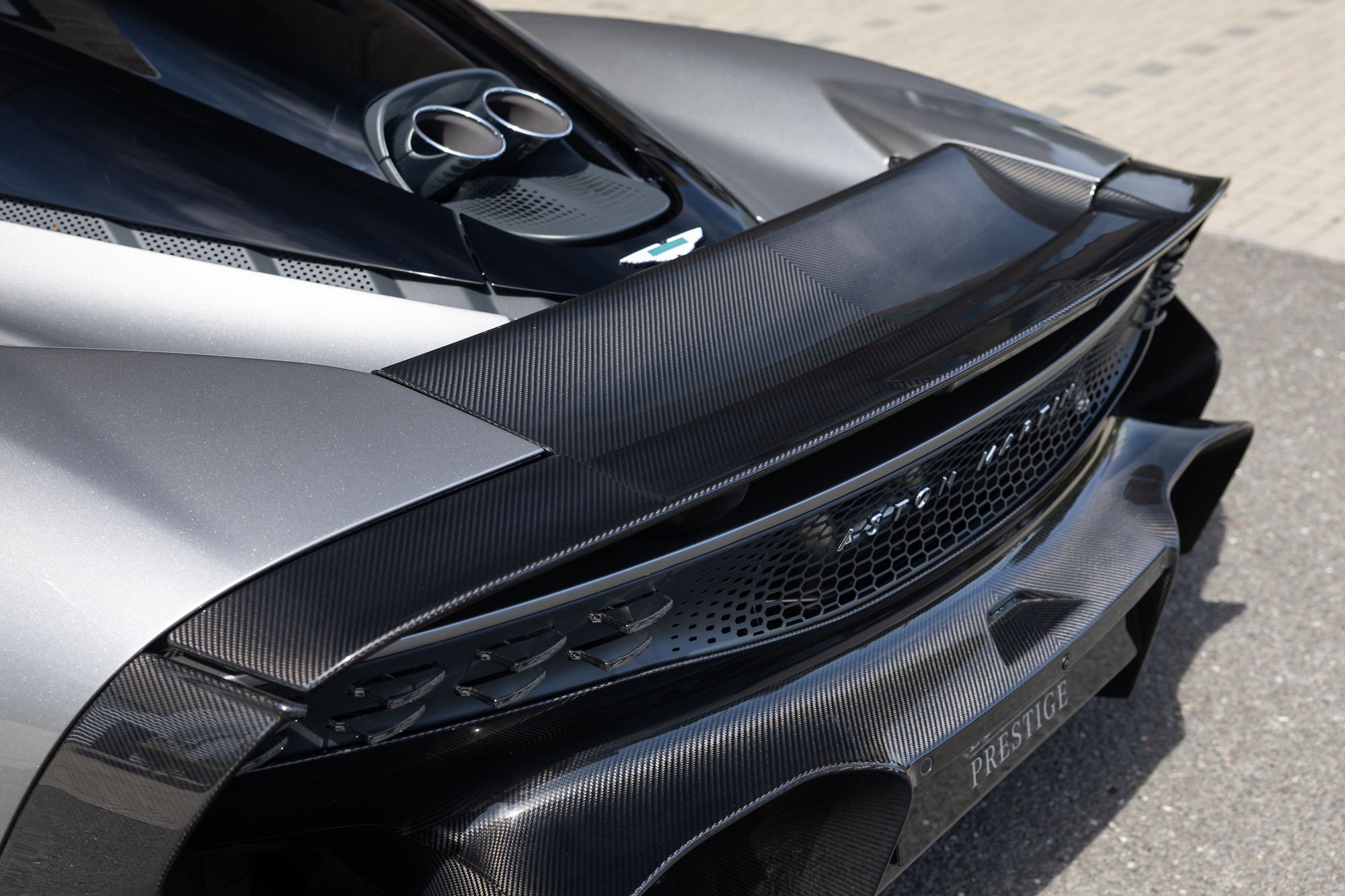
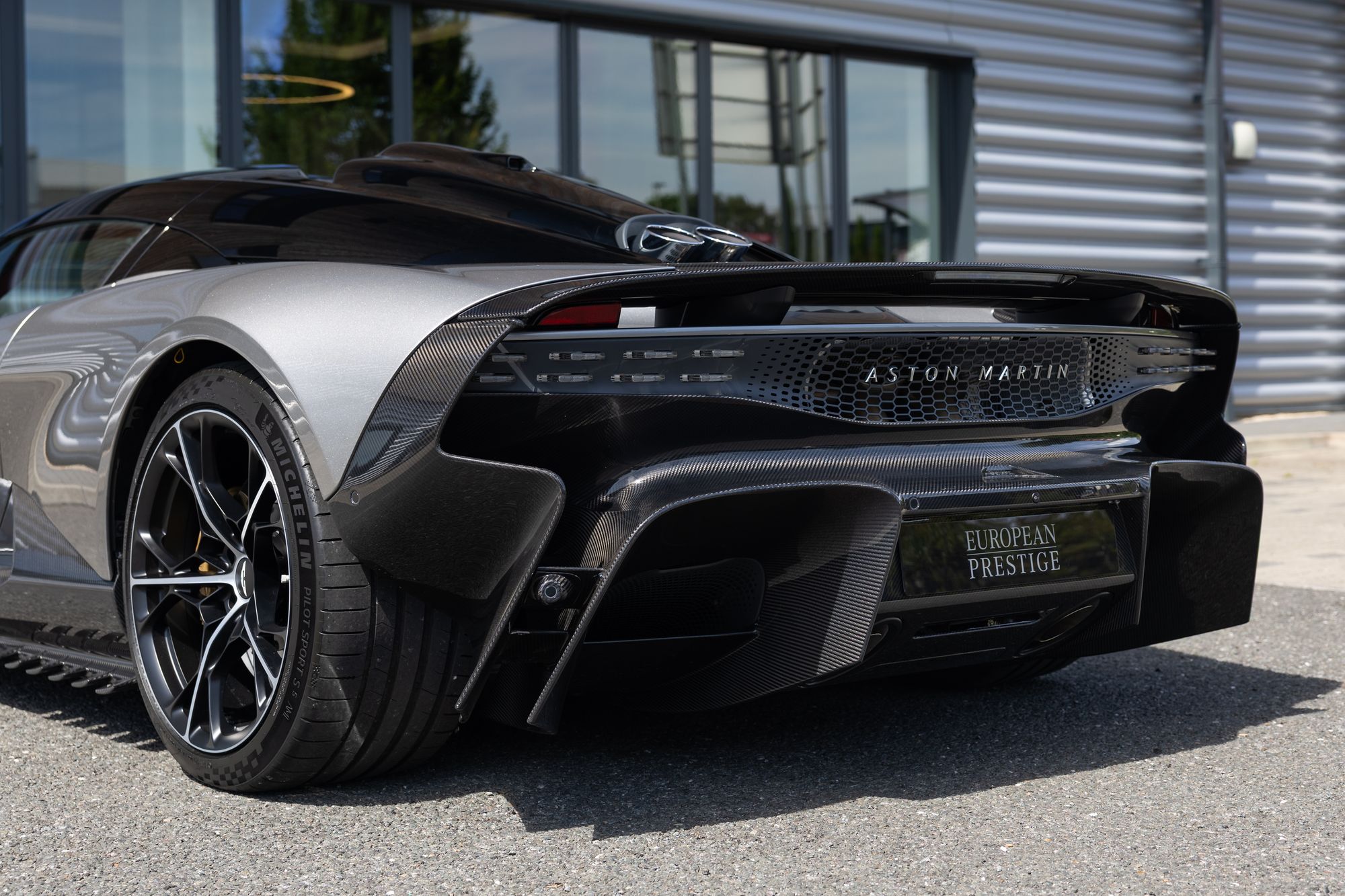
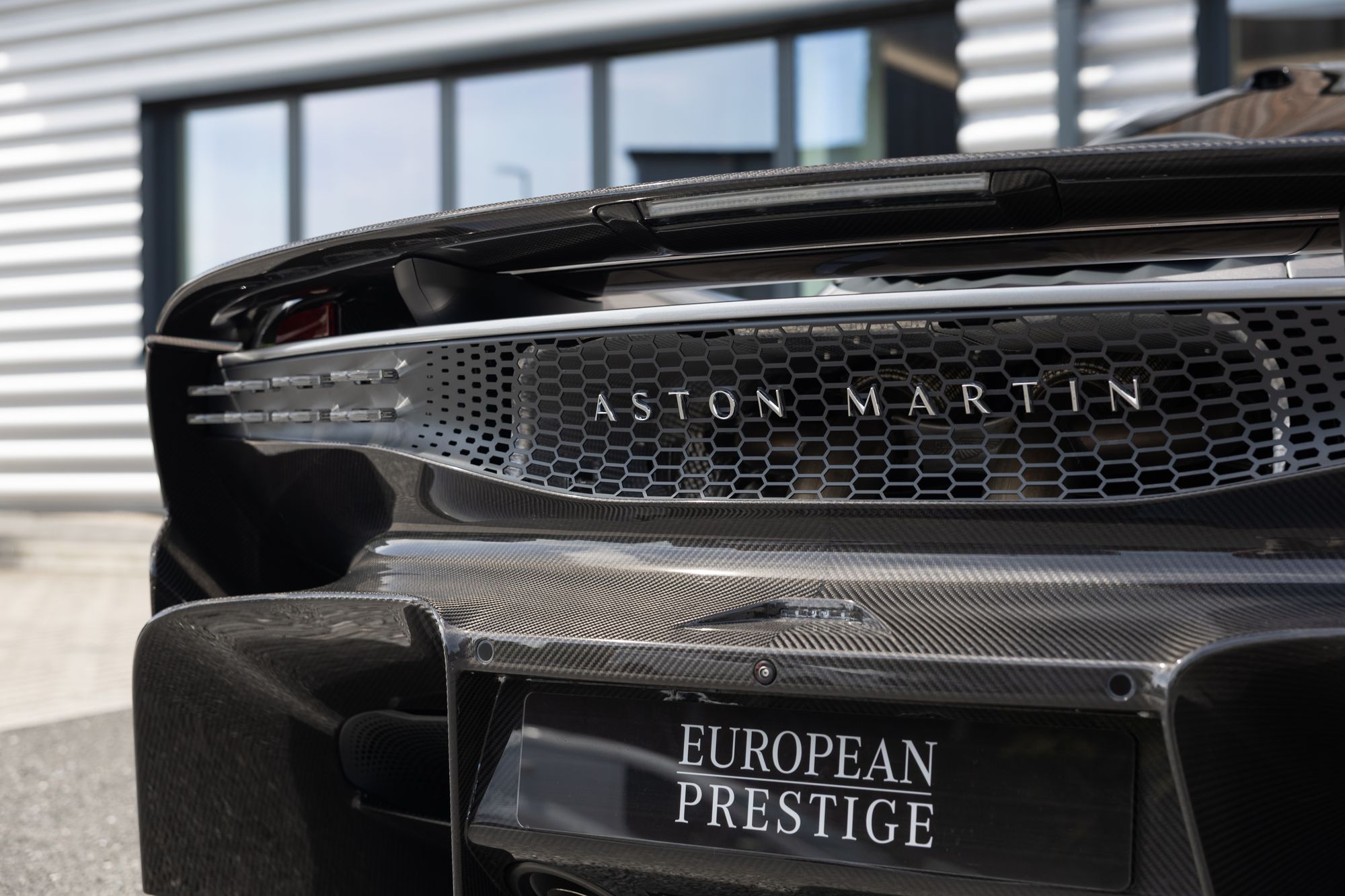
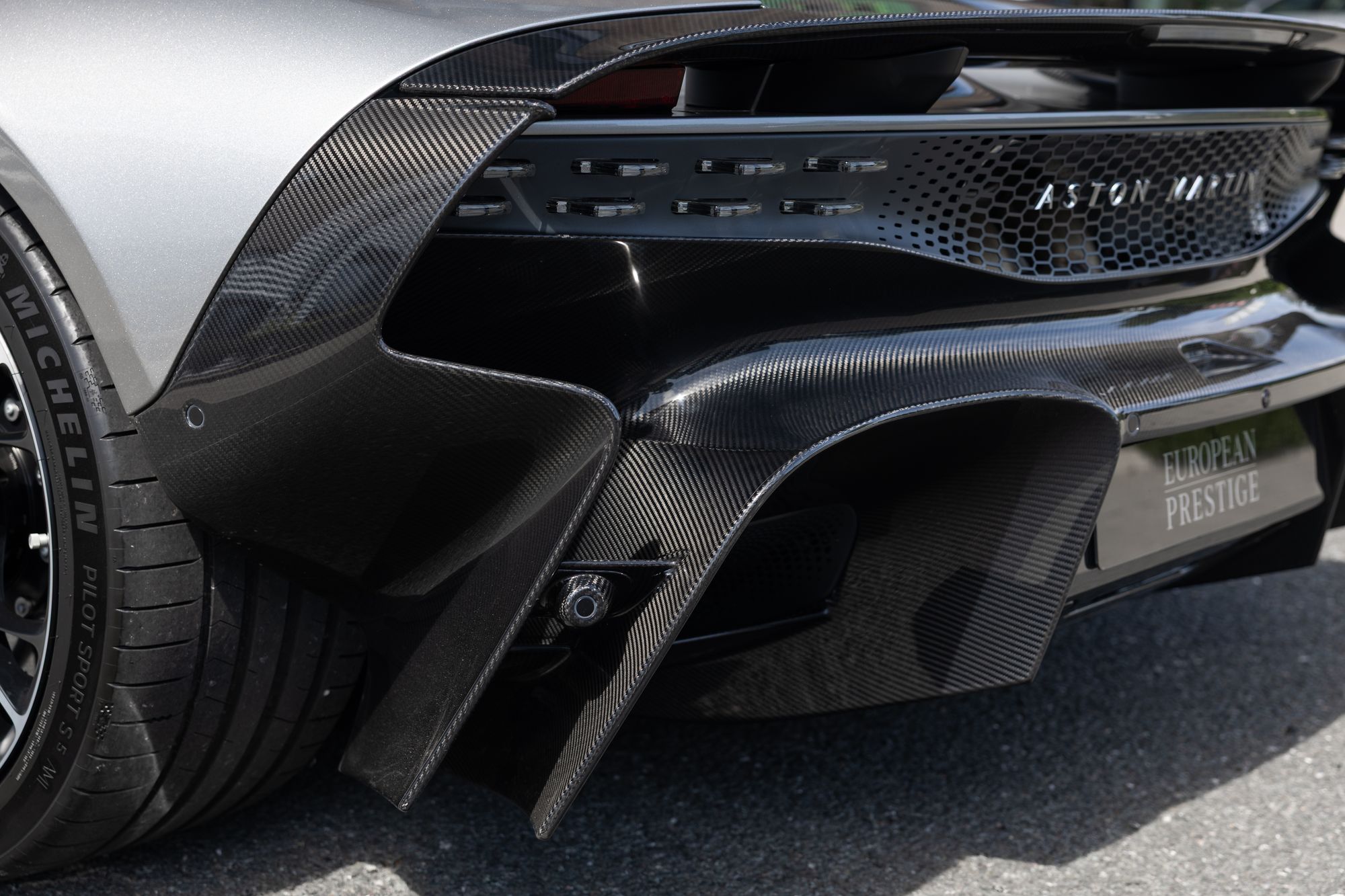
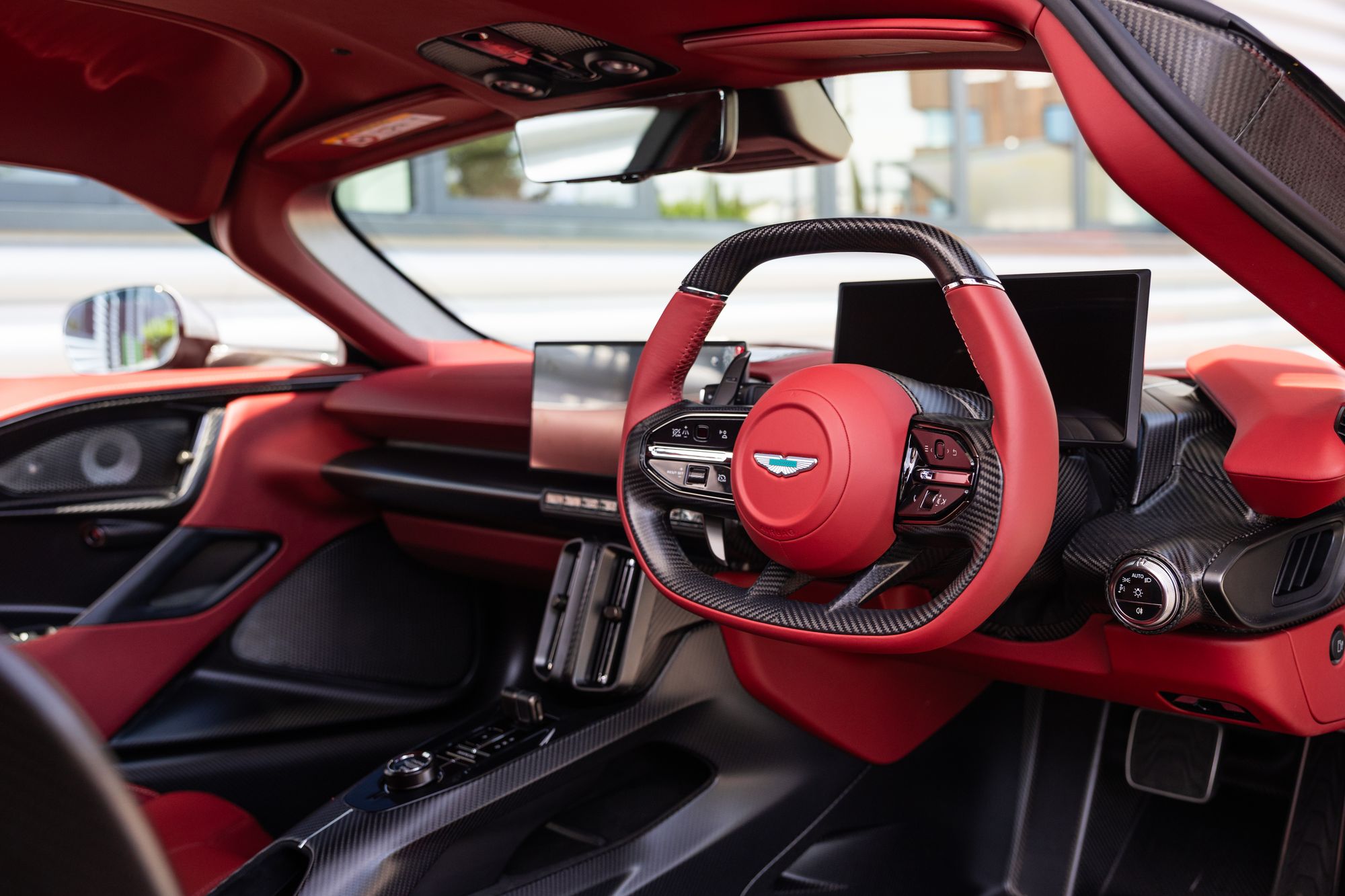
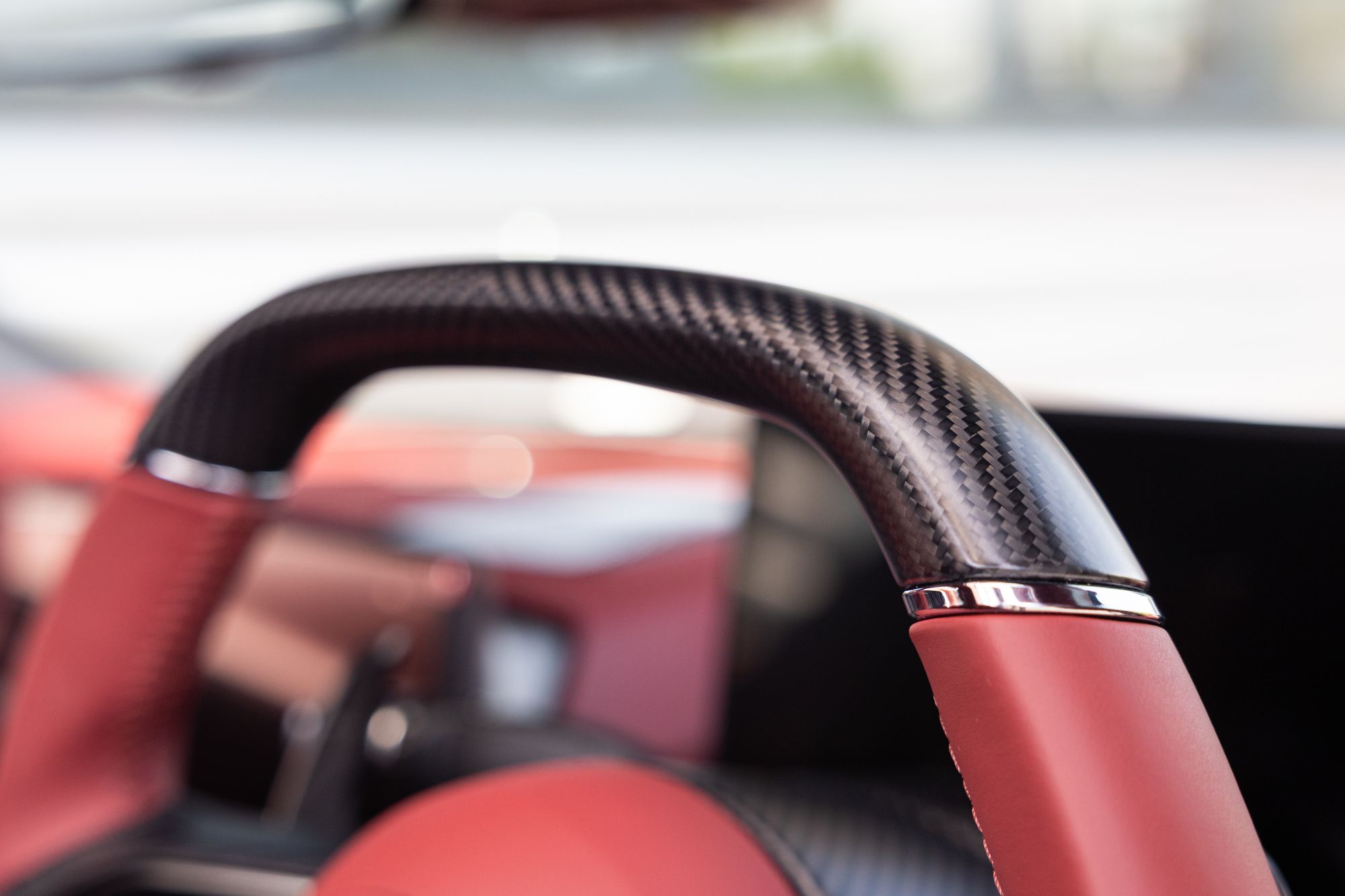
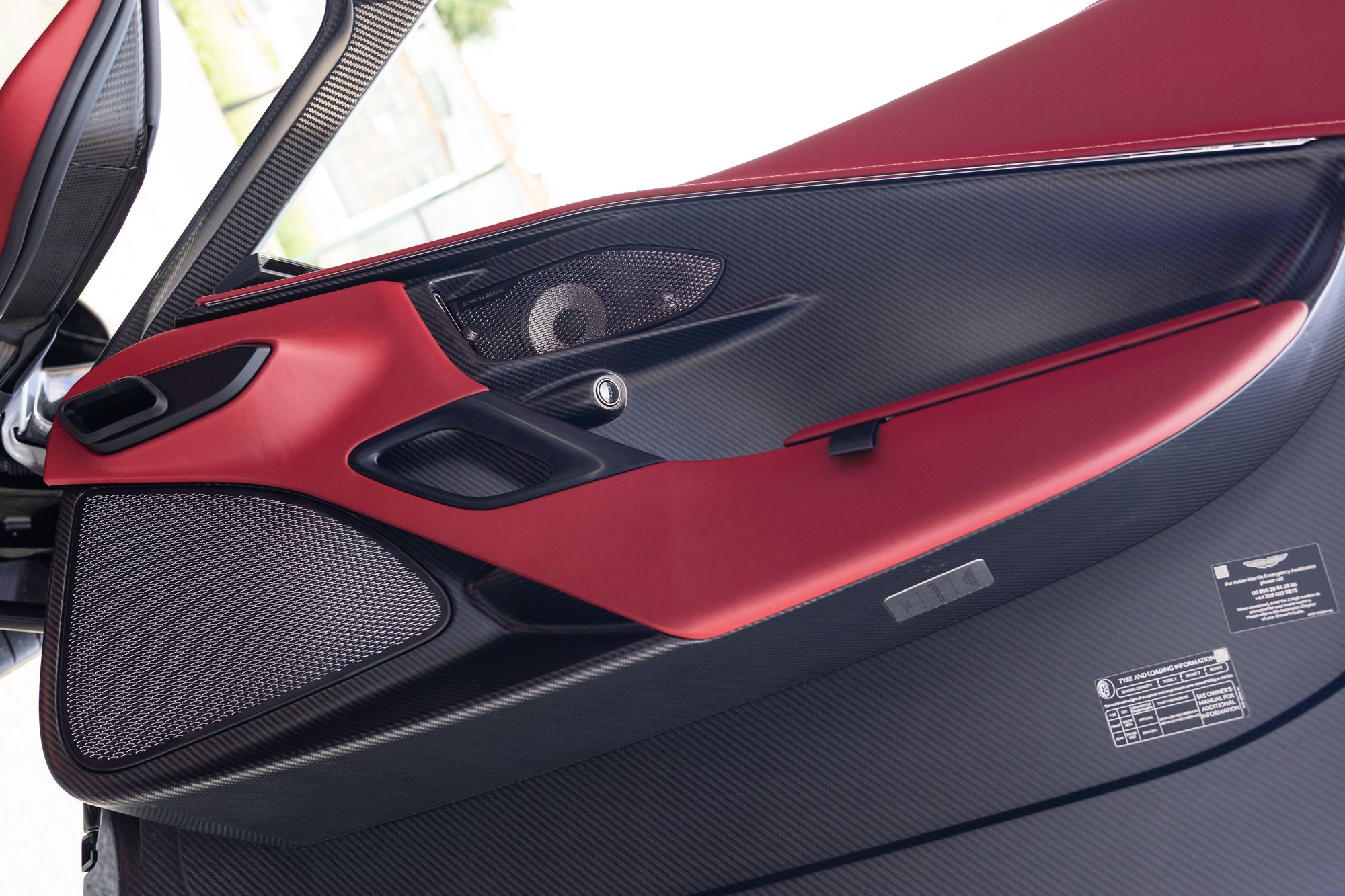
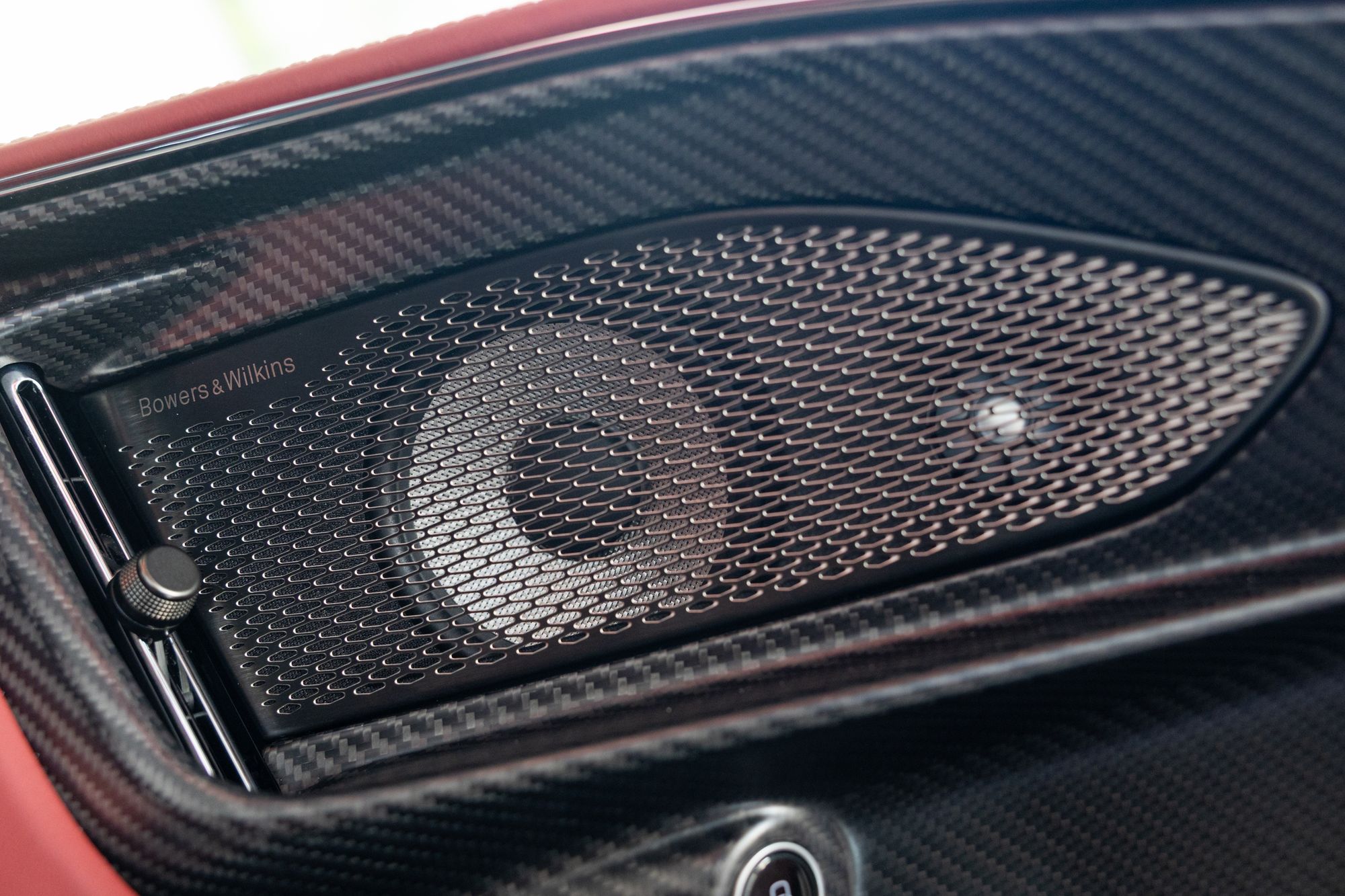
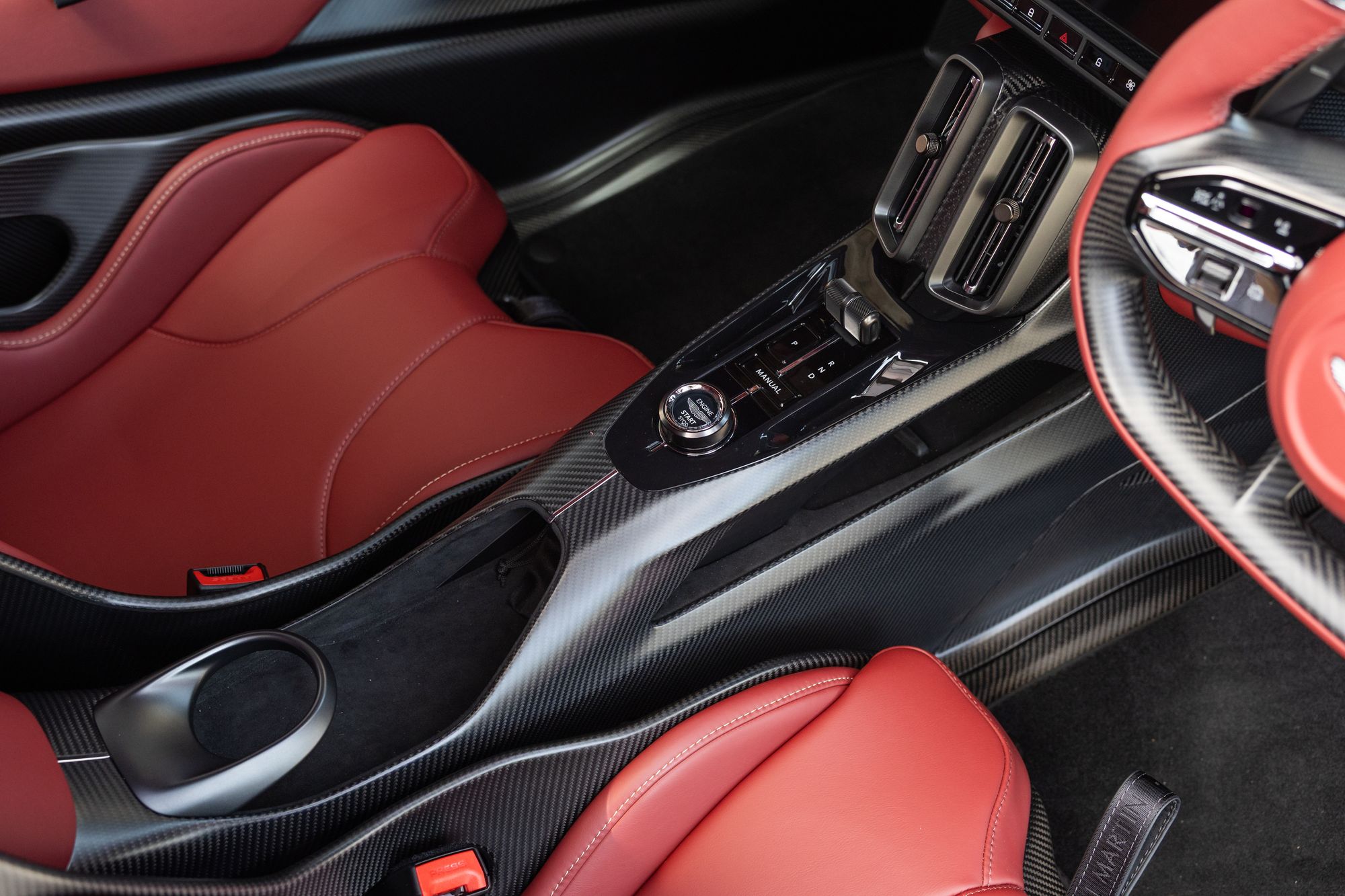
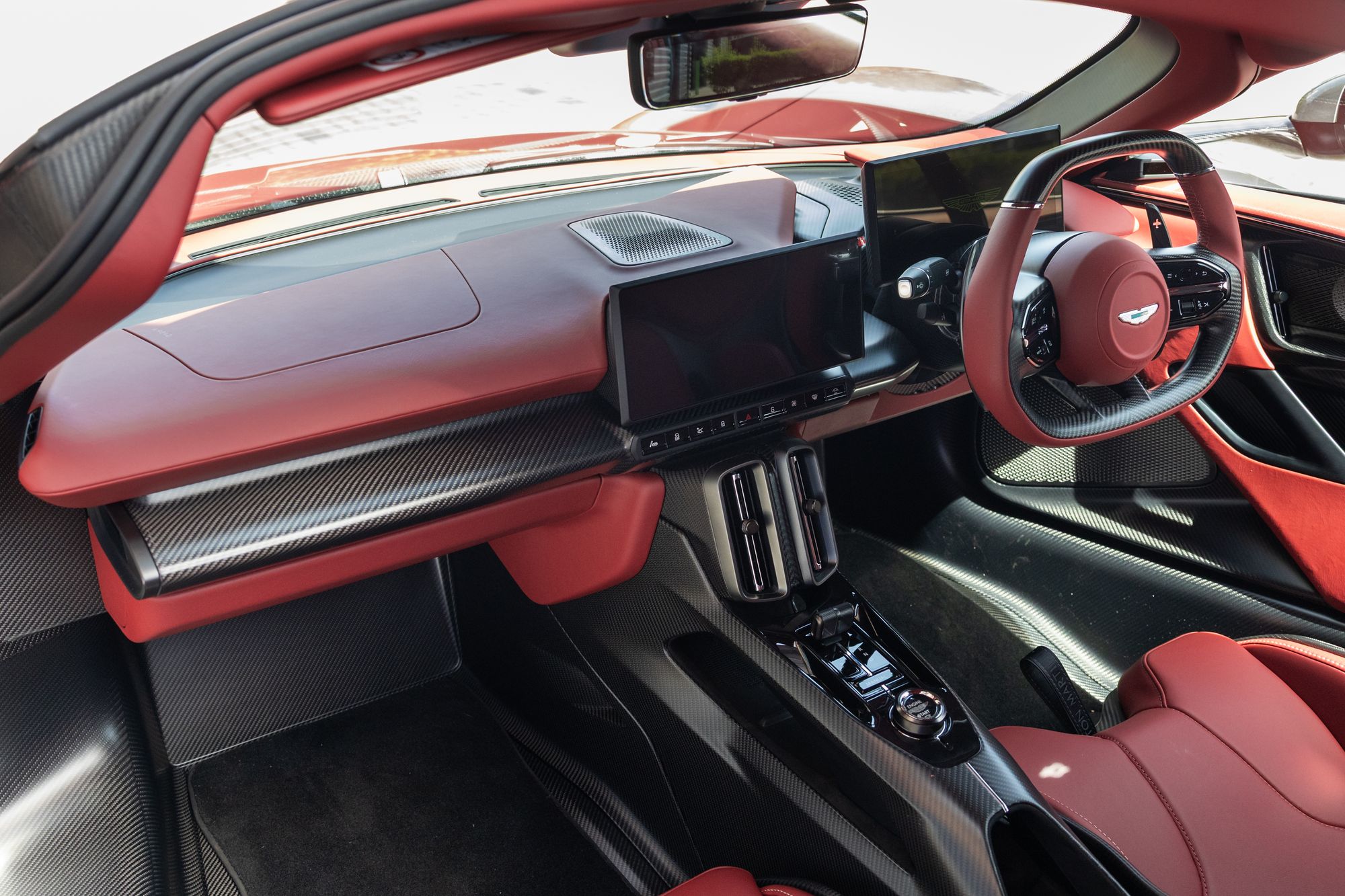
Key Points: 2x2 Twill Carbon Fibre Lower Body Package, 2x2 Twill Carbon Fibre Interior Package, Bowers & Wilkins Audio System
The Aston Martin Valhalla is a series-production, mid-engined plug-in hybrid supercar limited to 999 units worldwide. Developed with Aston Martin Performance Technologies, it features a Formula 1-derived 4.0-litre twin-turbo flat-plane crank V8 engine paired with three electric motors. The internal combustion engine produces 828 PS (817 bhp), while the electric motors add 251 PS. Together, the hybrid system delivers a combined 1,079 PS (1,064 bhp) and 1,100 Nm of torque through an electric all-wheel-drive system. This allows the car to accelerate from 0 to 62 mph in 2.5 seconds and reach a top speed of 217 mph. A 6.1 kWh battery enables an electric-only driving range of 8.5 miles at up to 80 mph, with the front motors handling reverse gear. Power is managed via an eight-speed dual-clutch transmission and an electronic rear limited-slip differential.
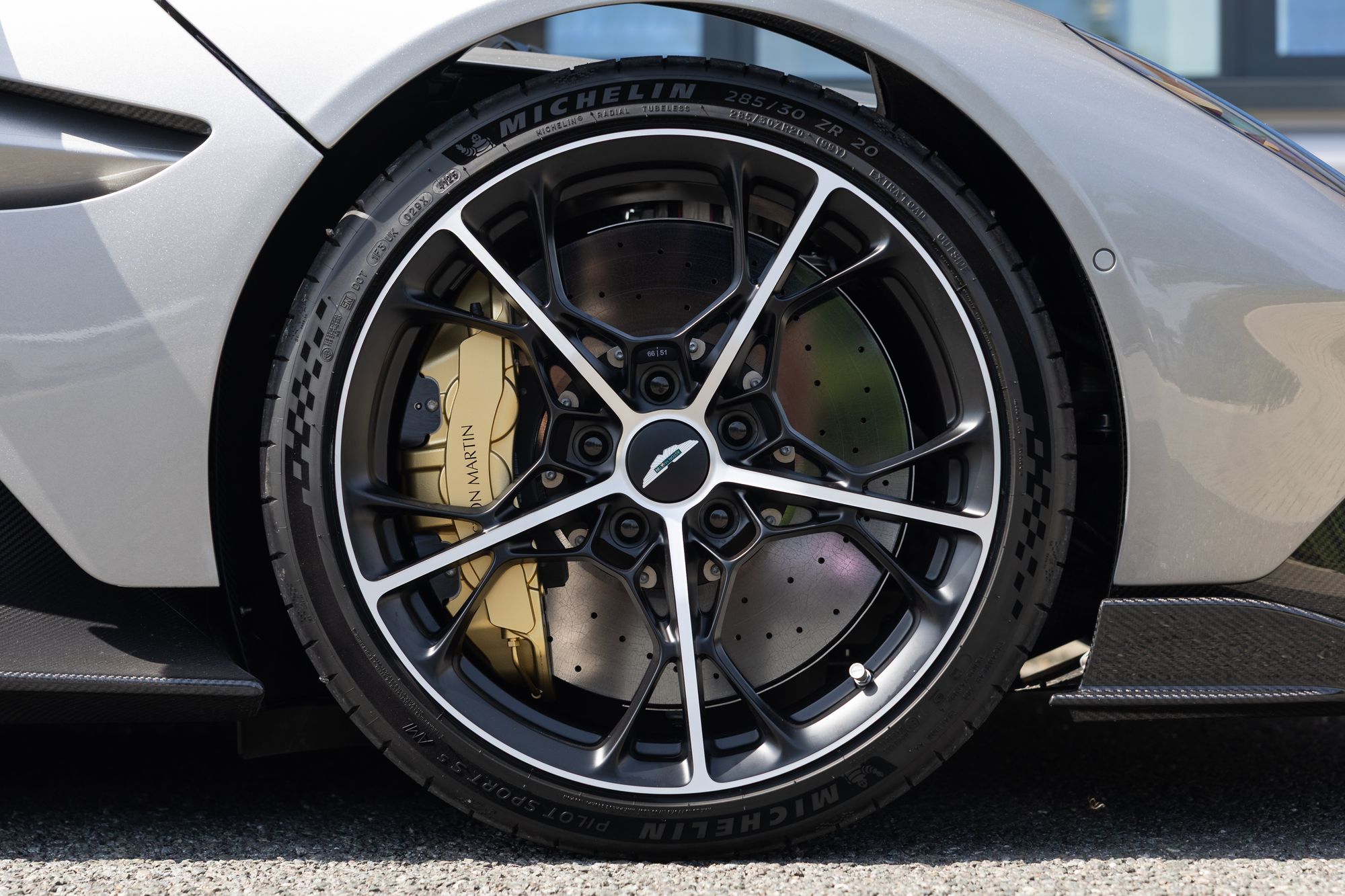
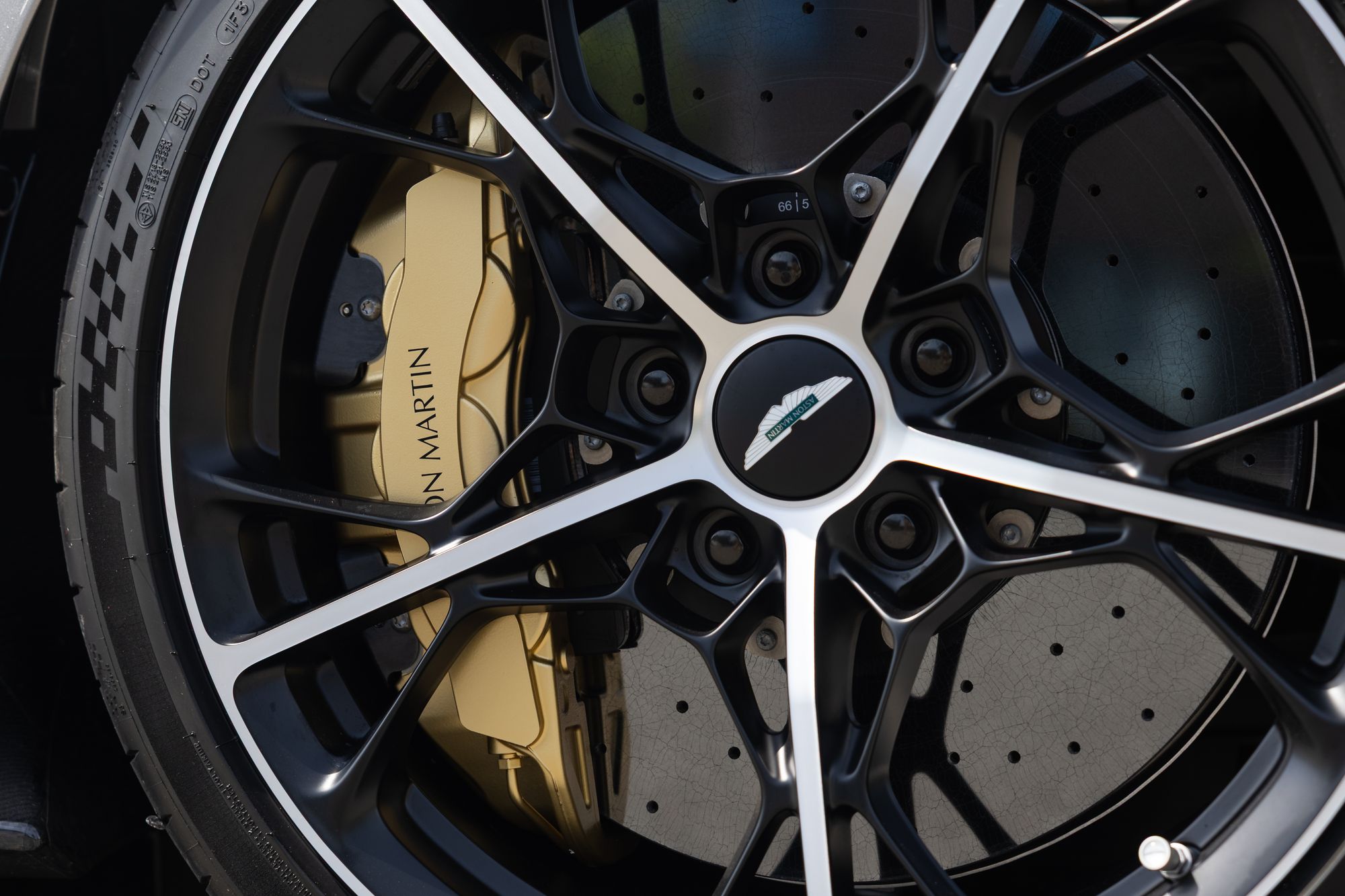
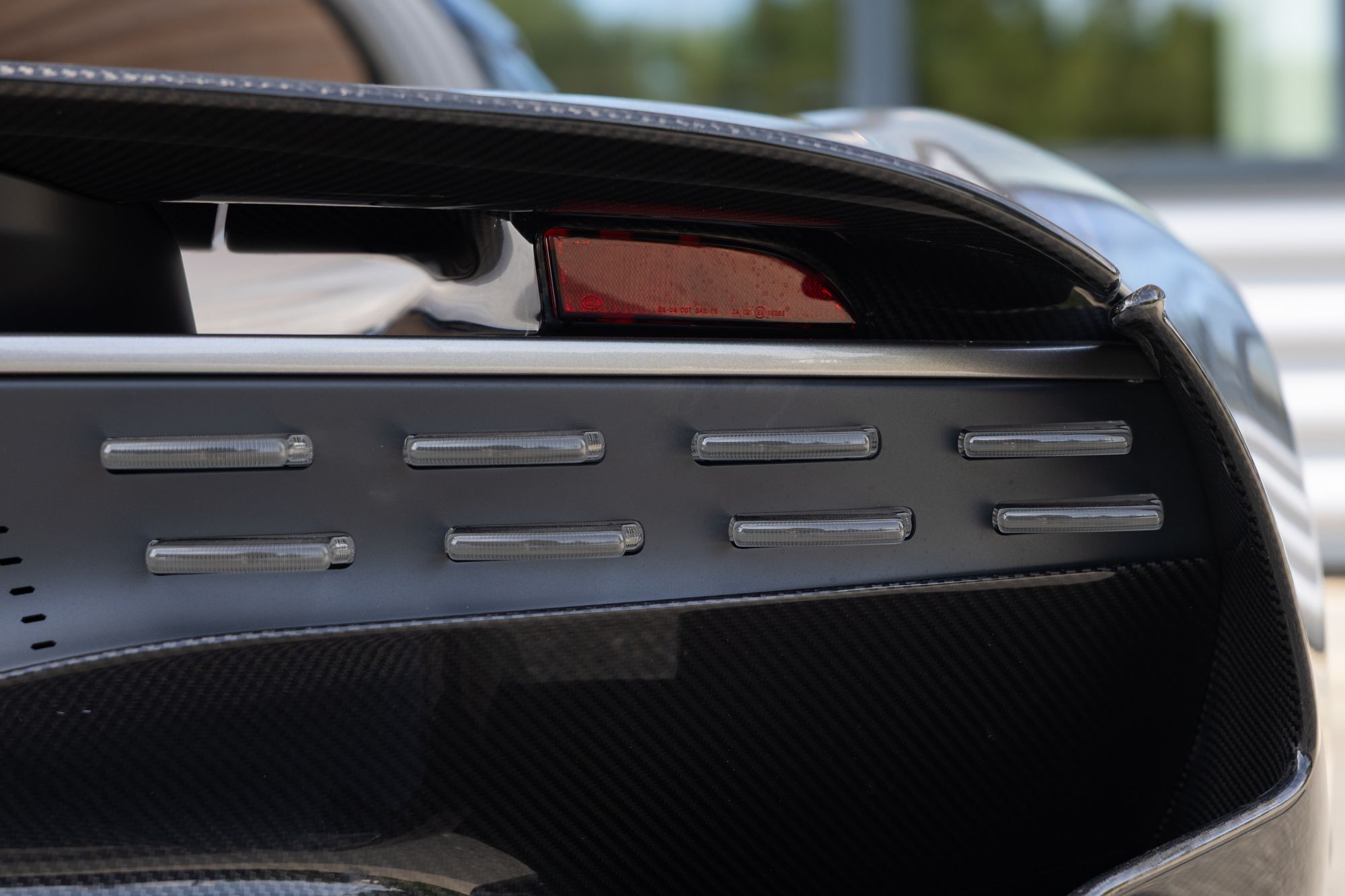
Built around a rigid carbon fibre monocoque tub, the vehicle achieves a dry weight of 1,655 kg. The chassis incorporates an inboard pushrod front suspension, a multi-link rear setup, and a standard front axle nose-lift system. Active aerodynamics generate over 600 kg of downforce at 150 mph using an adjustable active front wing and a rear T-wing. This system includes a Drag Reduction System (DRS) for straights and acts as an airbrake under deceleration, shifting aerodynamic balance in 0.5 seconds. Stopping power is provided by a standard Brembo carbon-ceramic braking system with 410 mm front and 390 mm rear discs. It rides on staggered 20-inch front and 21-inch rear forged alloy wheels, wrapped in bespoke Michelin Pilot Sport S 5 tyres, with lightweight magnesium wheels available as a track option.
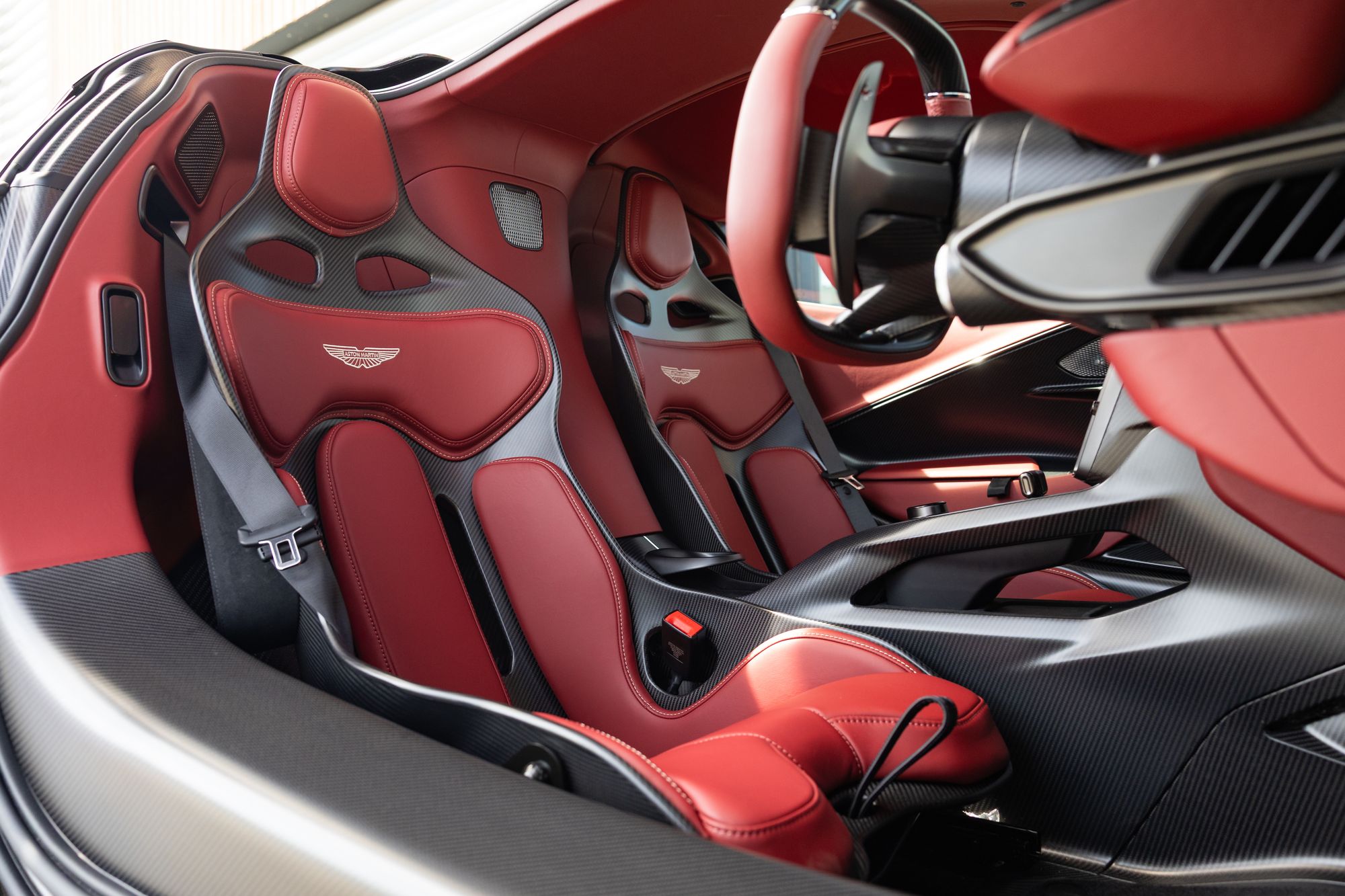
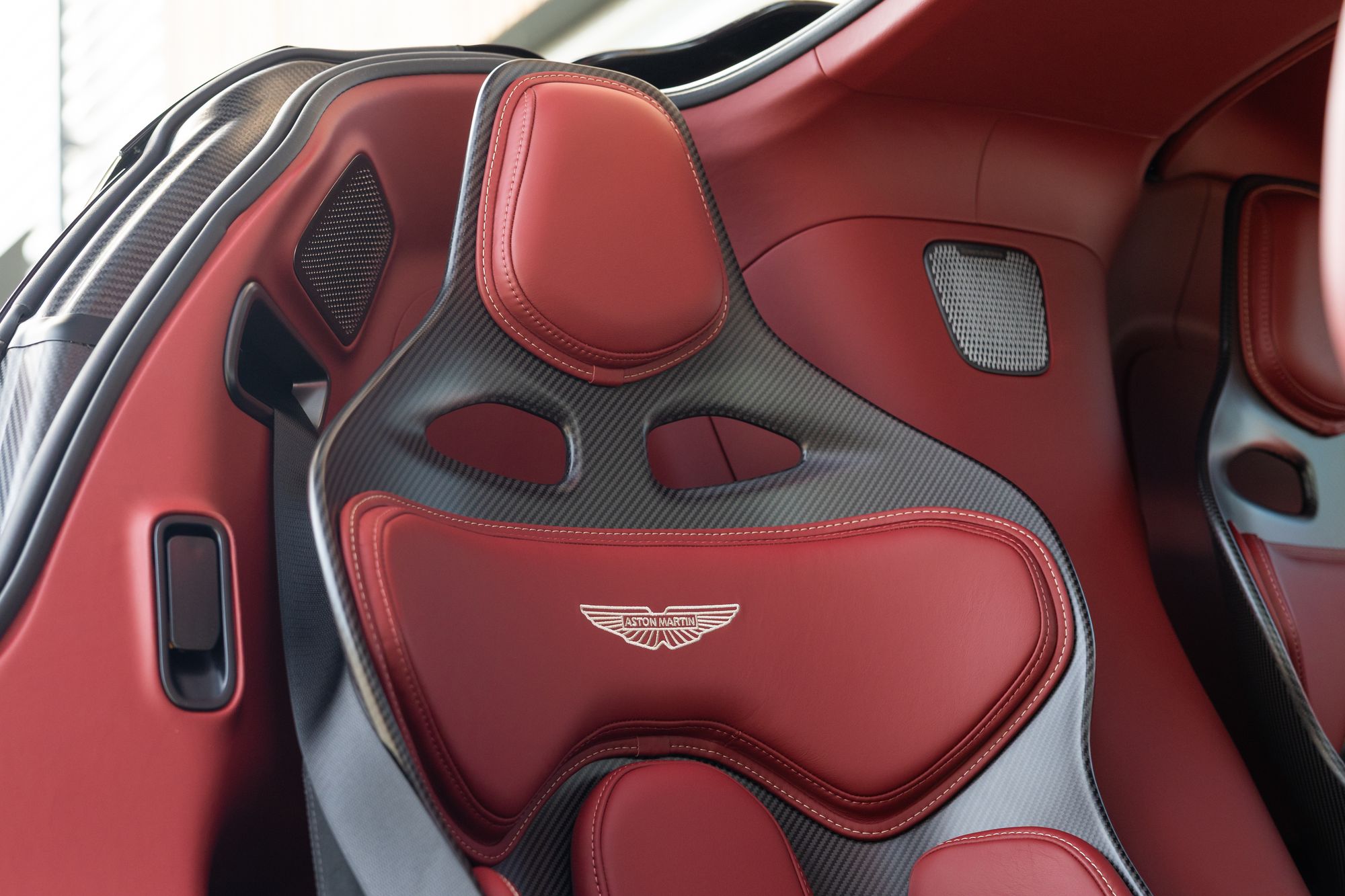
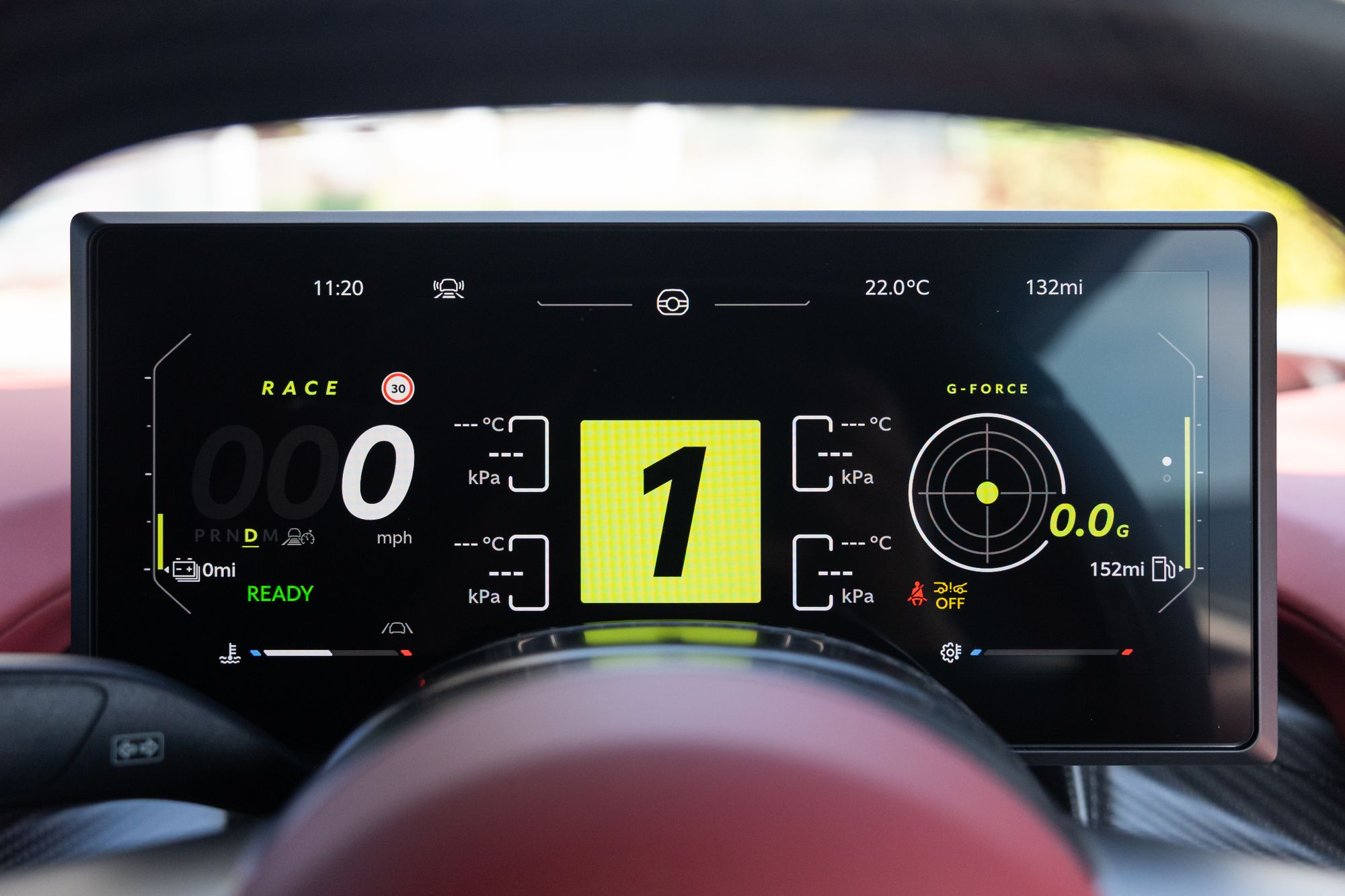
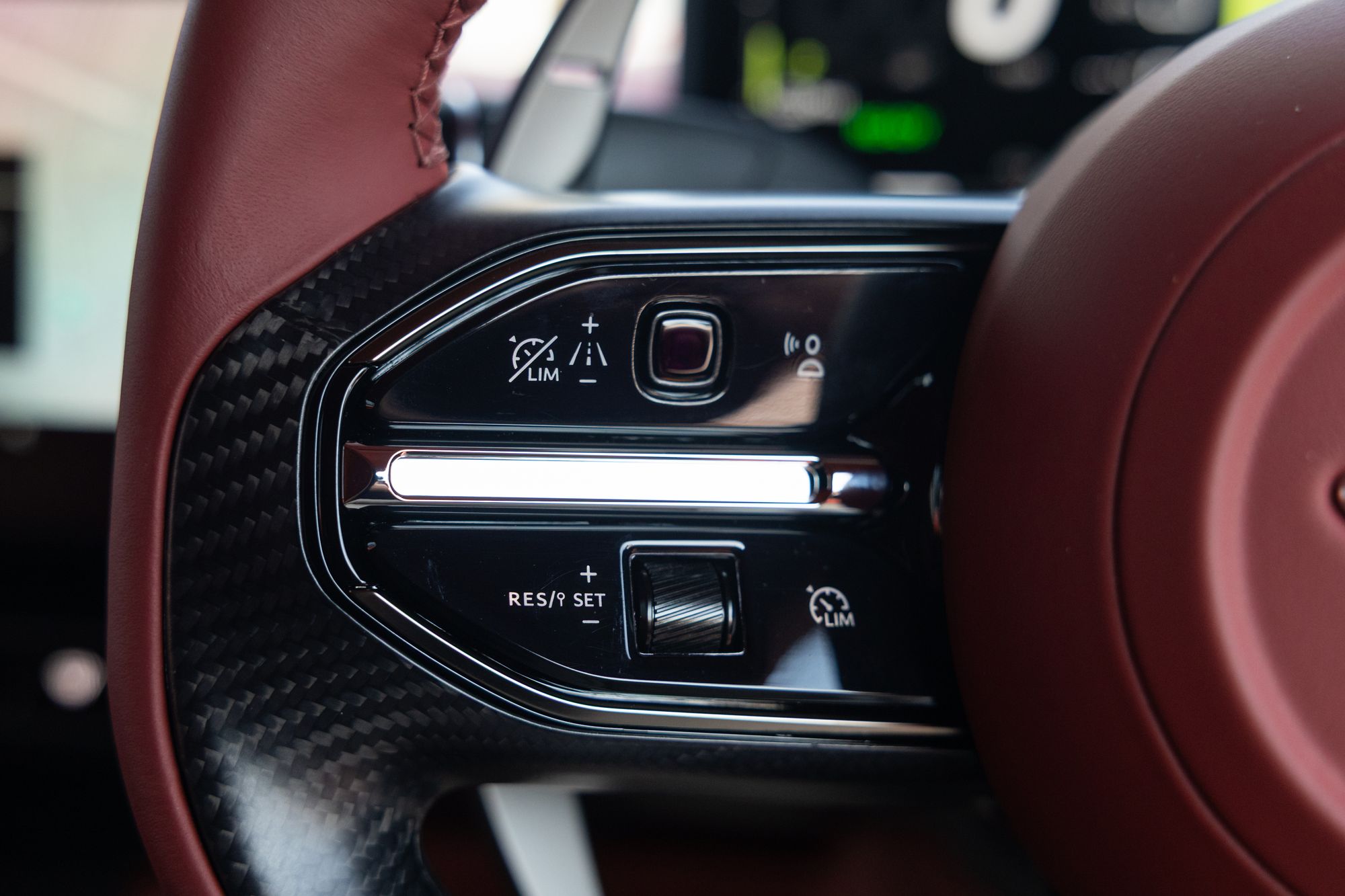
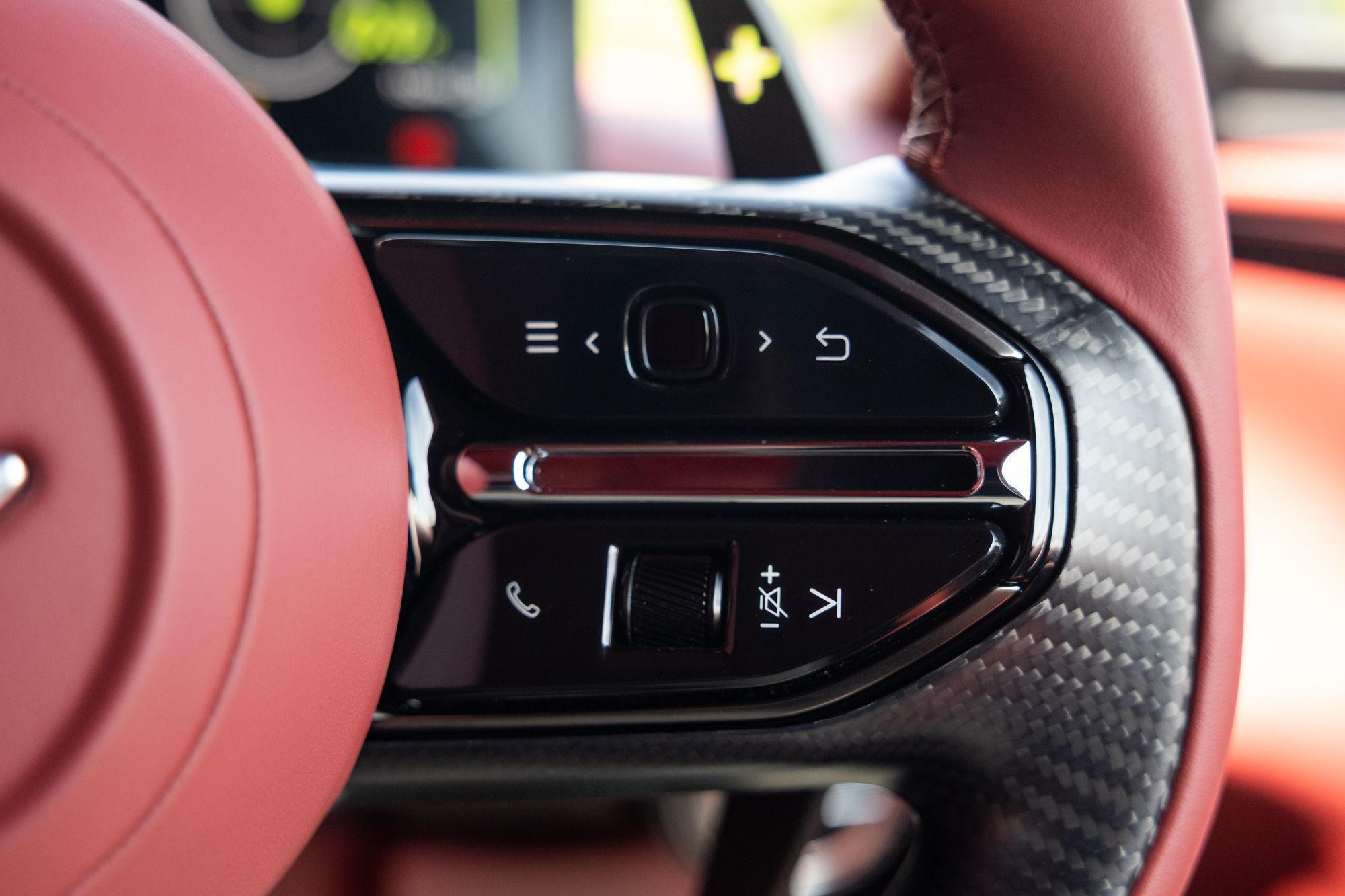
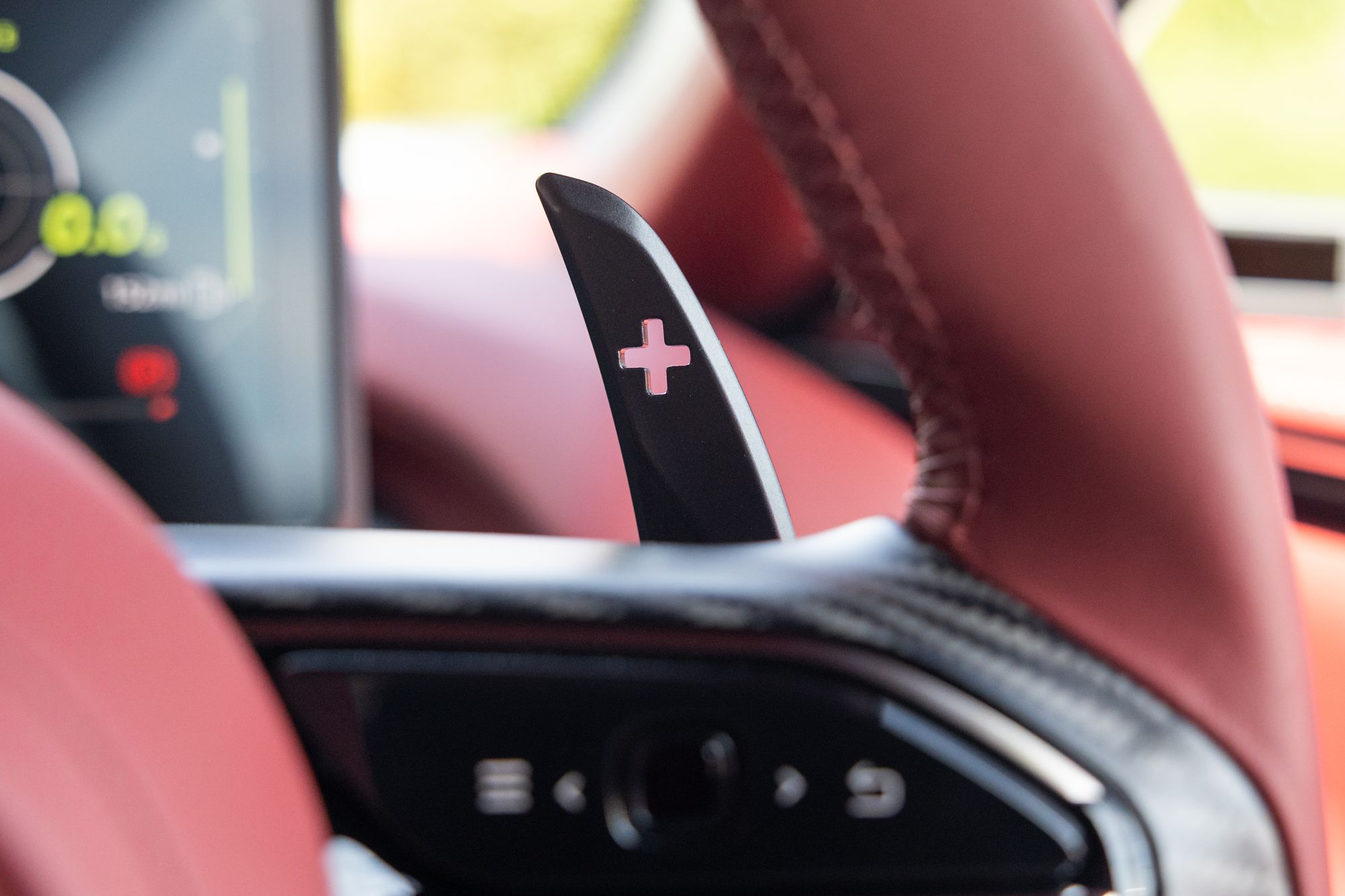
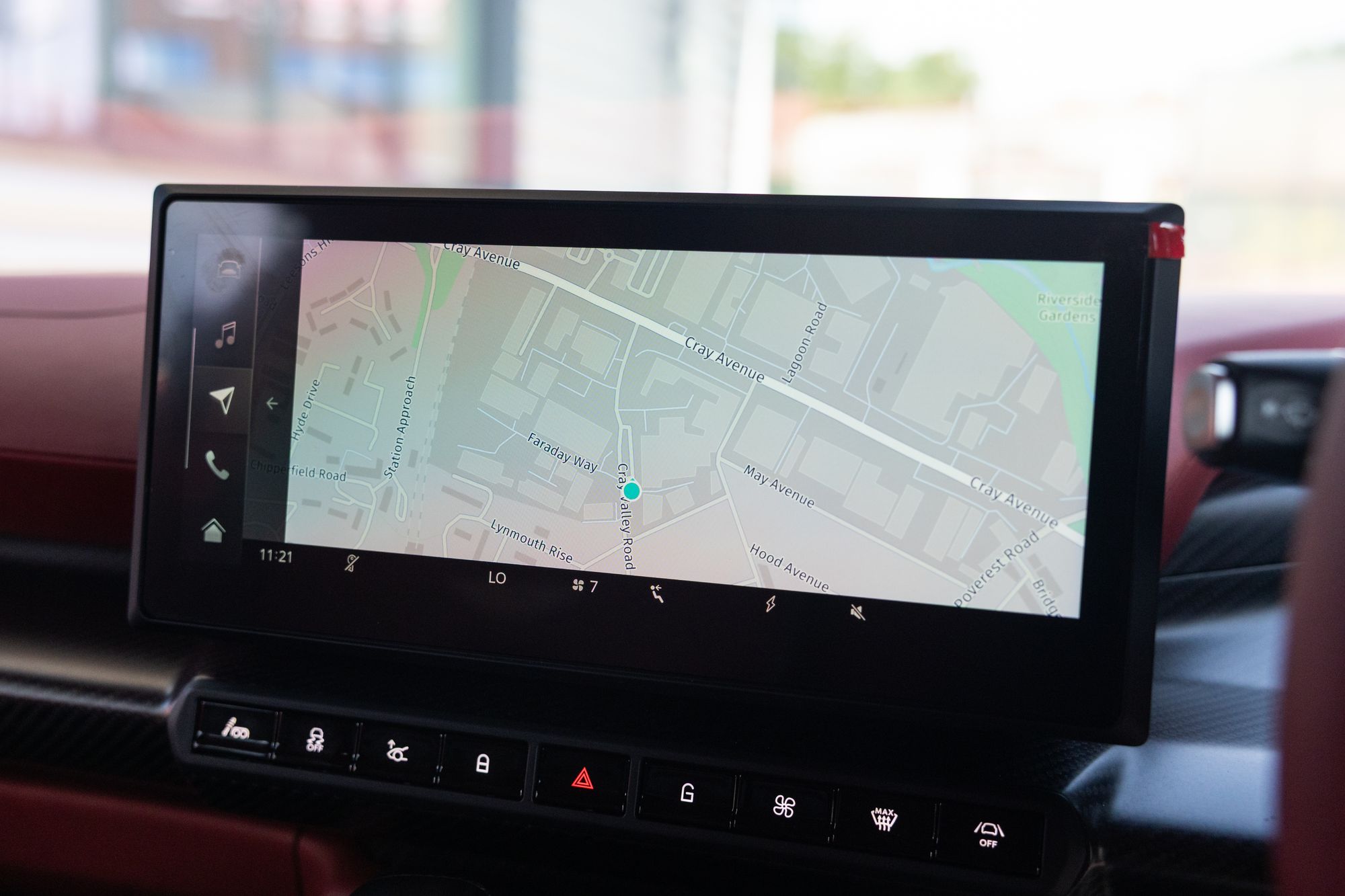
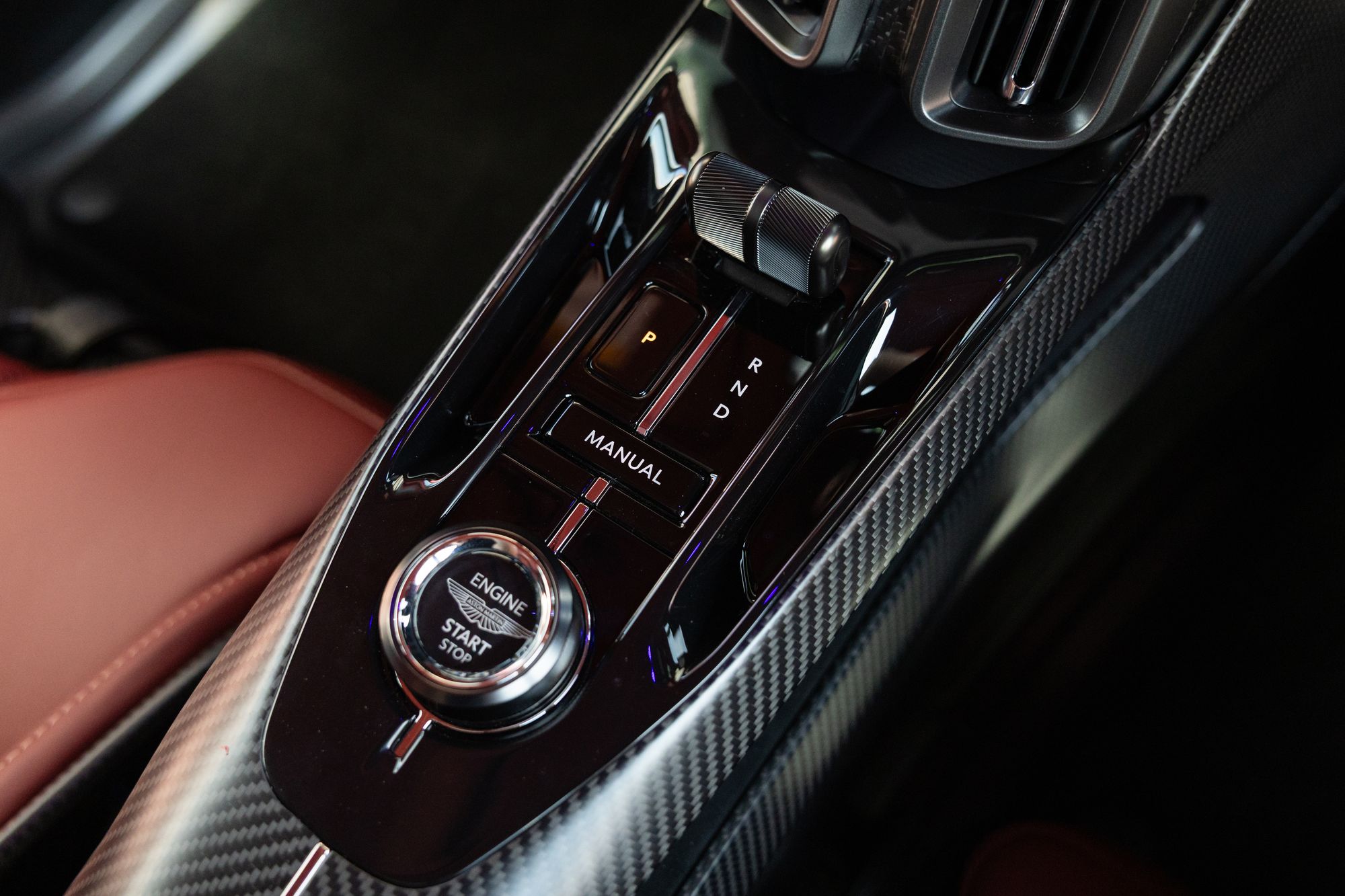
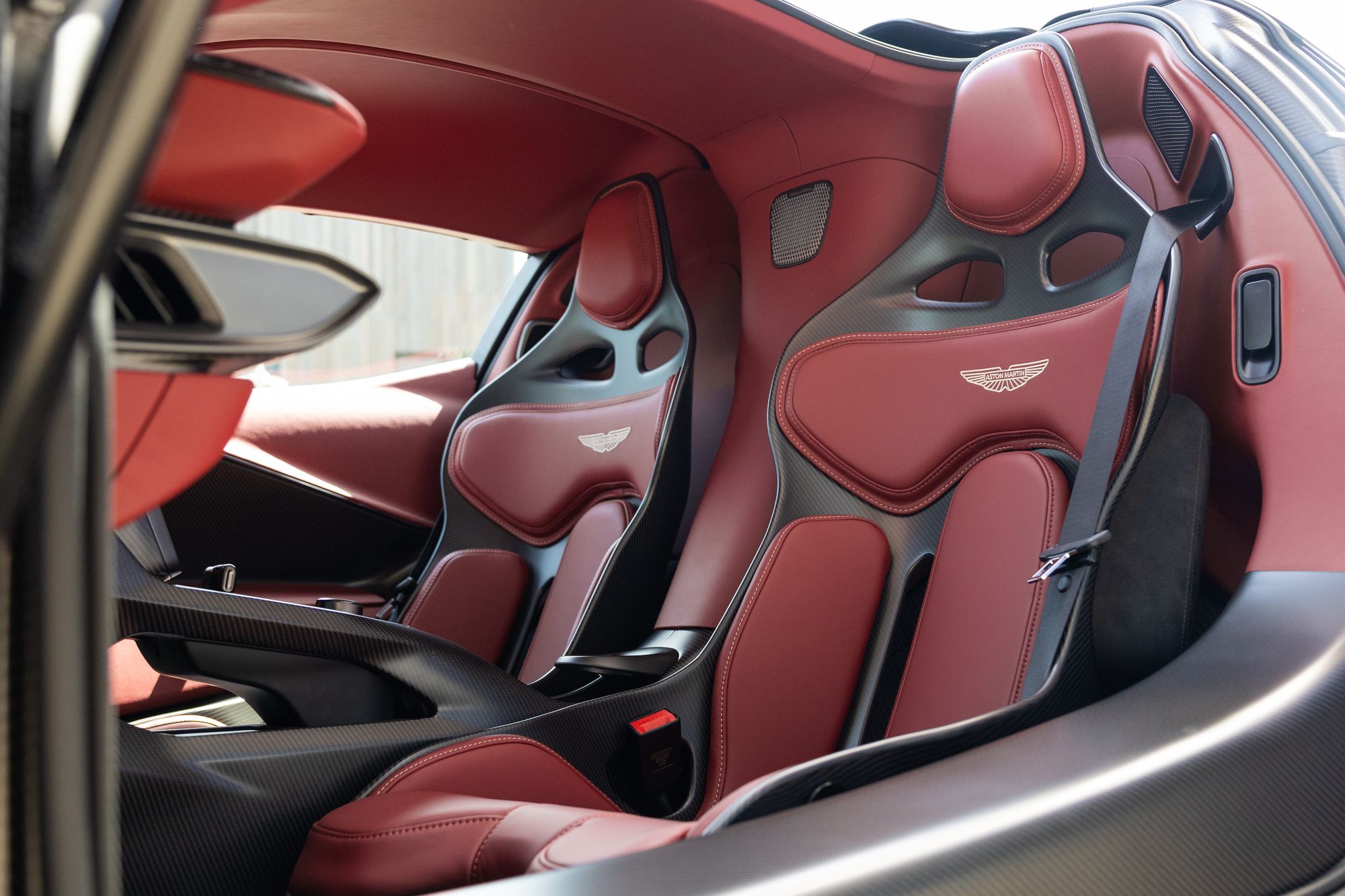
The interior is accessed via forward-hinged dihedral doors, revealing a cockpit inspired by Formula One seating positions. The one-piece carbon fibre seats are fixed directly to the chassis, requiring the driver to adjust the steering wheel and pedal box instead. The carbon steering wheel features a rotary controller to select EV, Sport, Sport+, and Race driving modes. Standard technology includes a 10.25-inch driver display, a central touchscreen infotainment system with satellite navigation, and dual-zone climate control. For daily driving usability, adaptive cruise control, a wide-view rearview camera array, and a premium audio system are also featured.