
2022 Ferrari Monza SP2
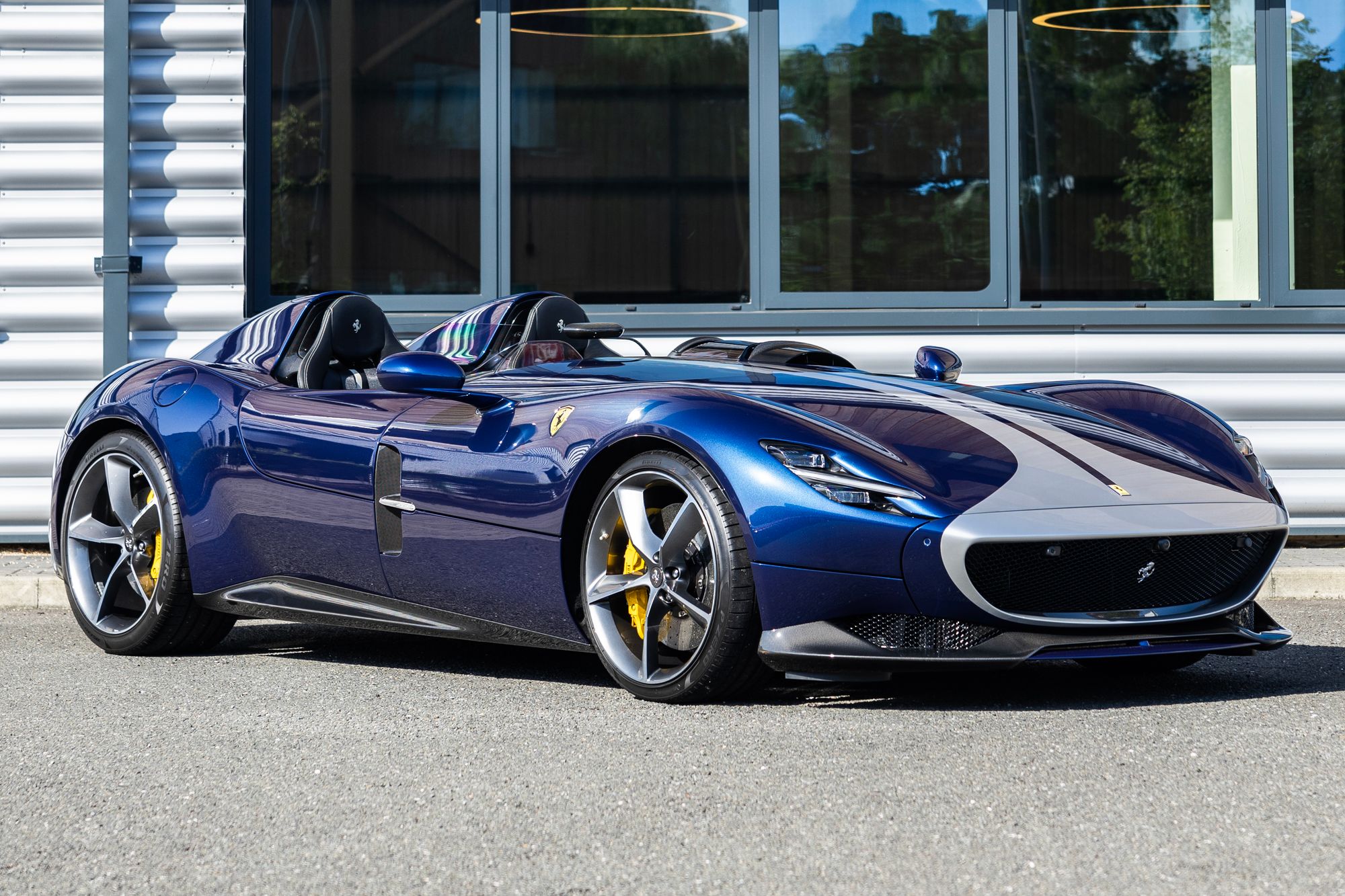
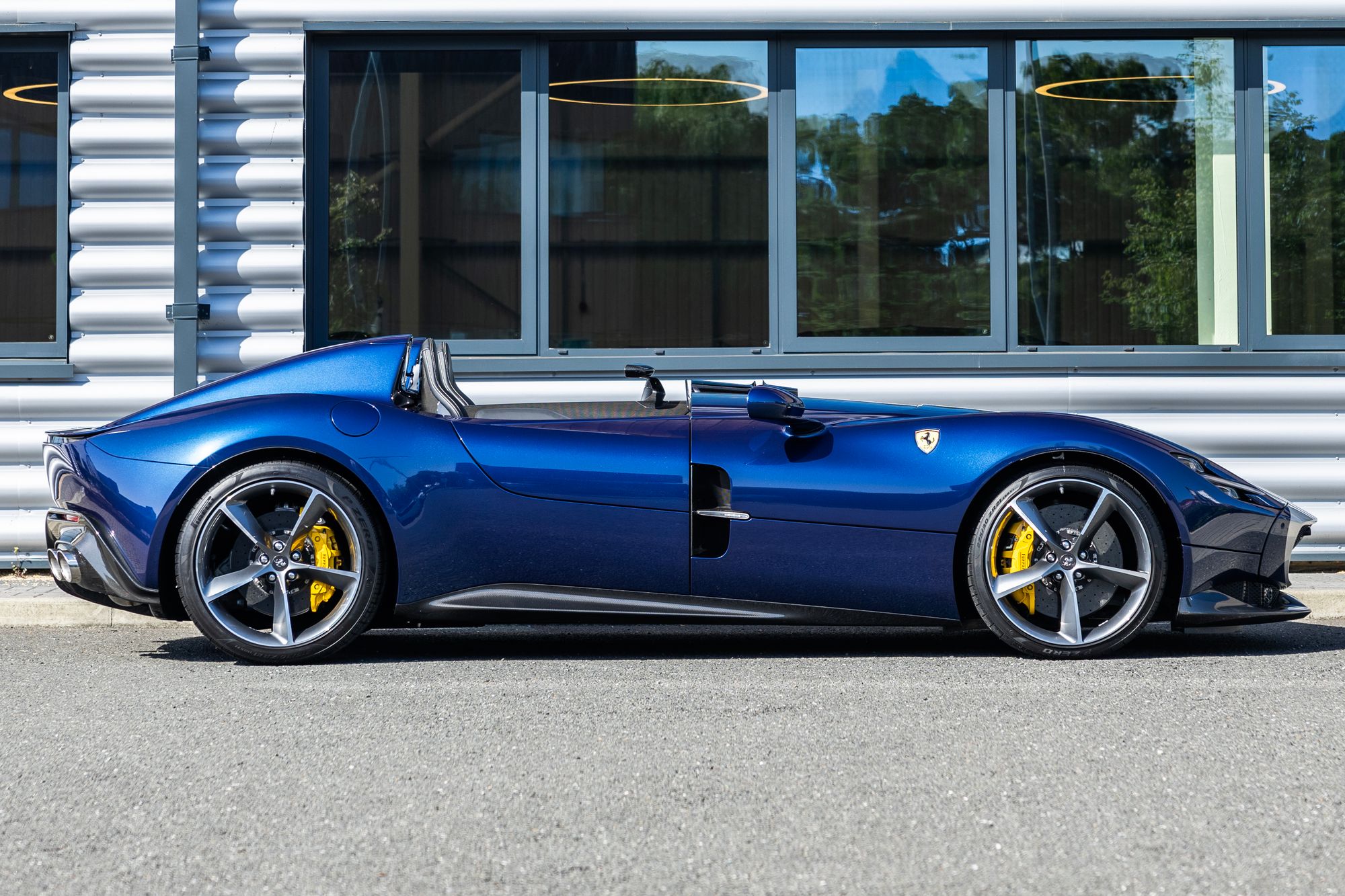
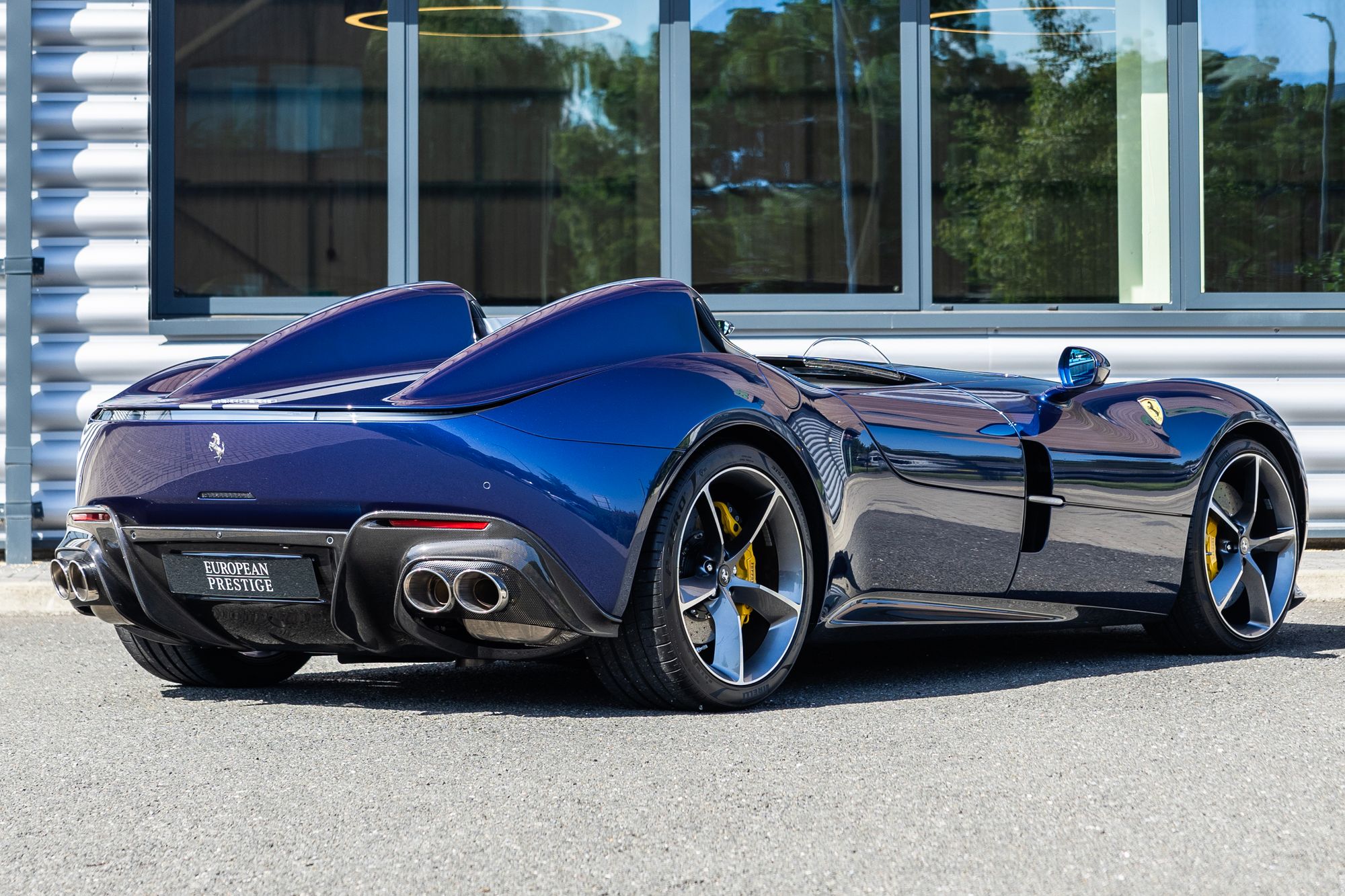
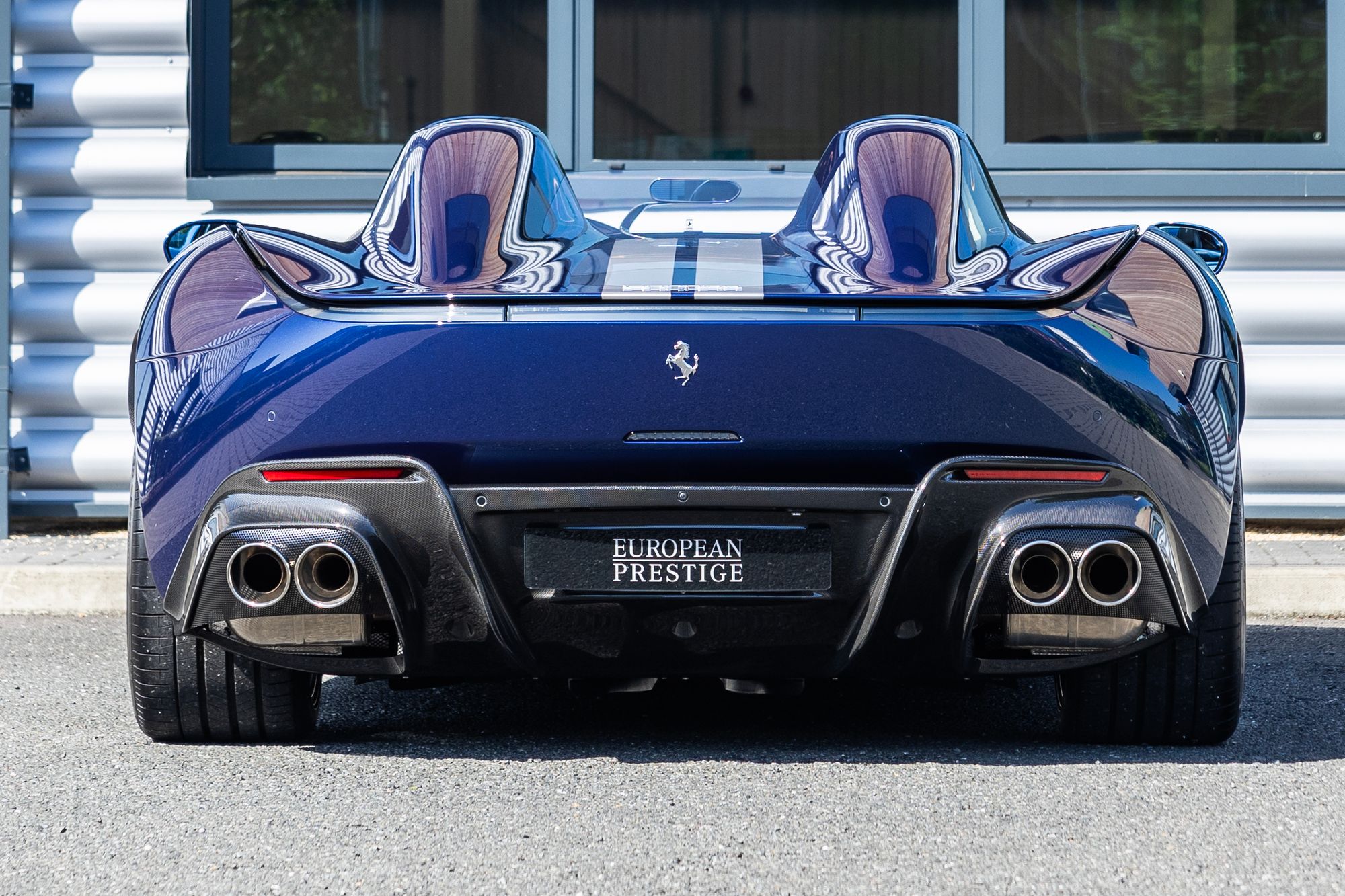
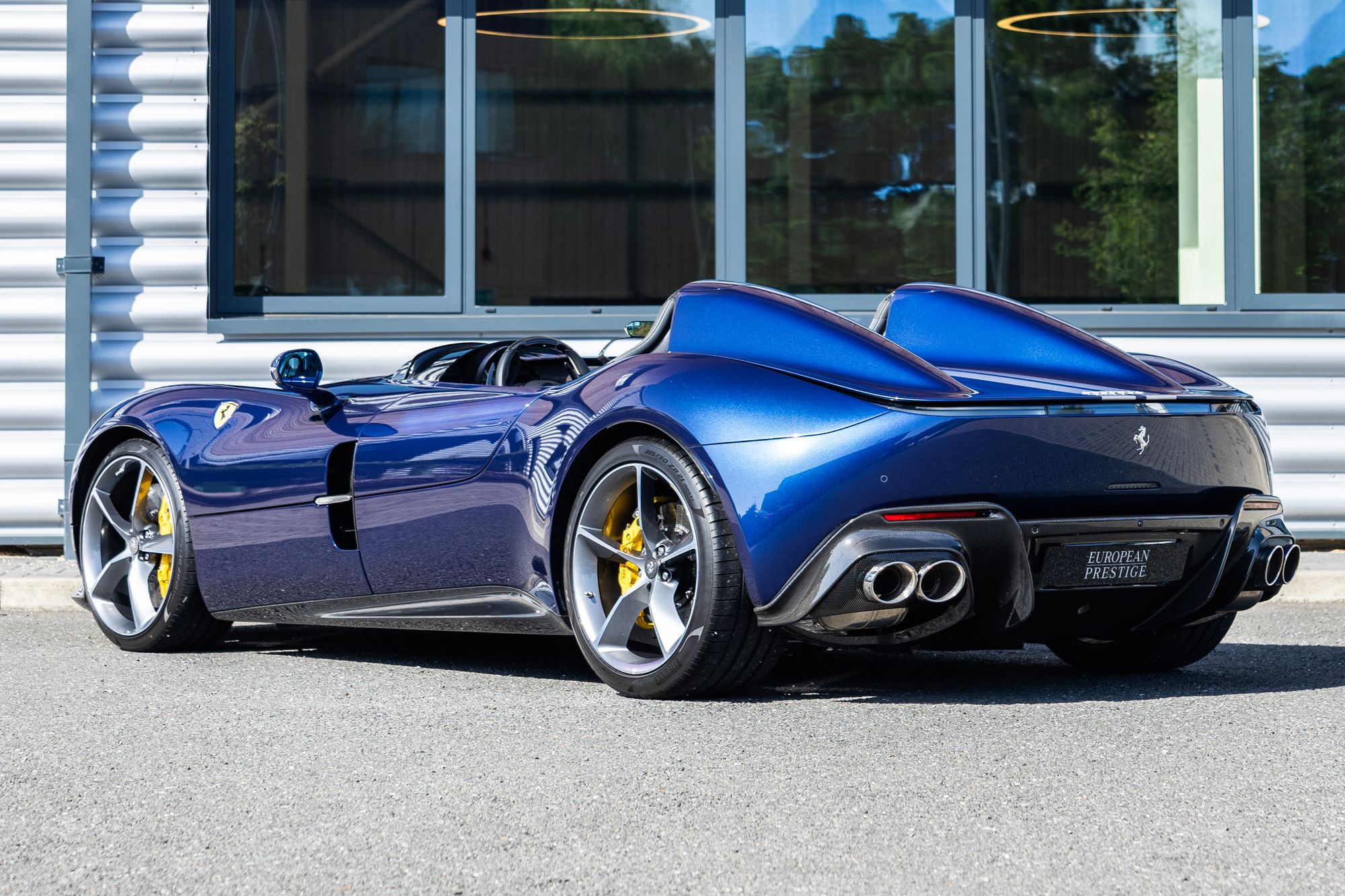
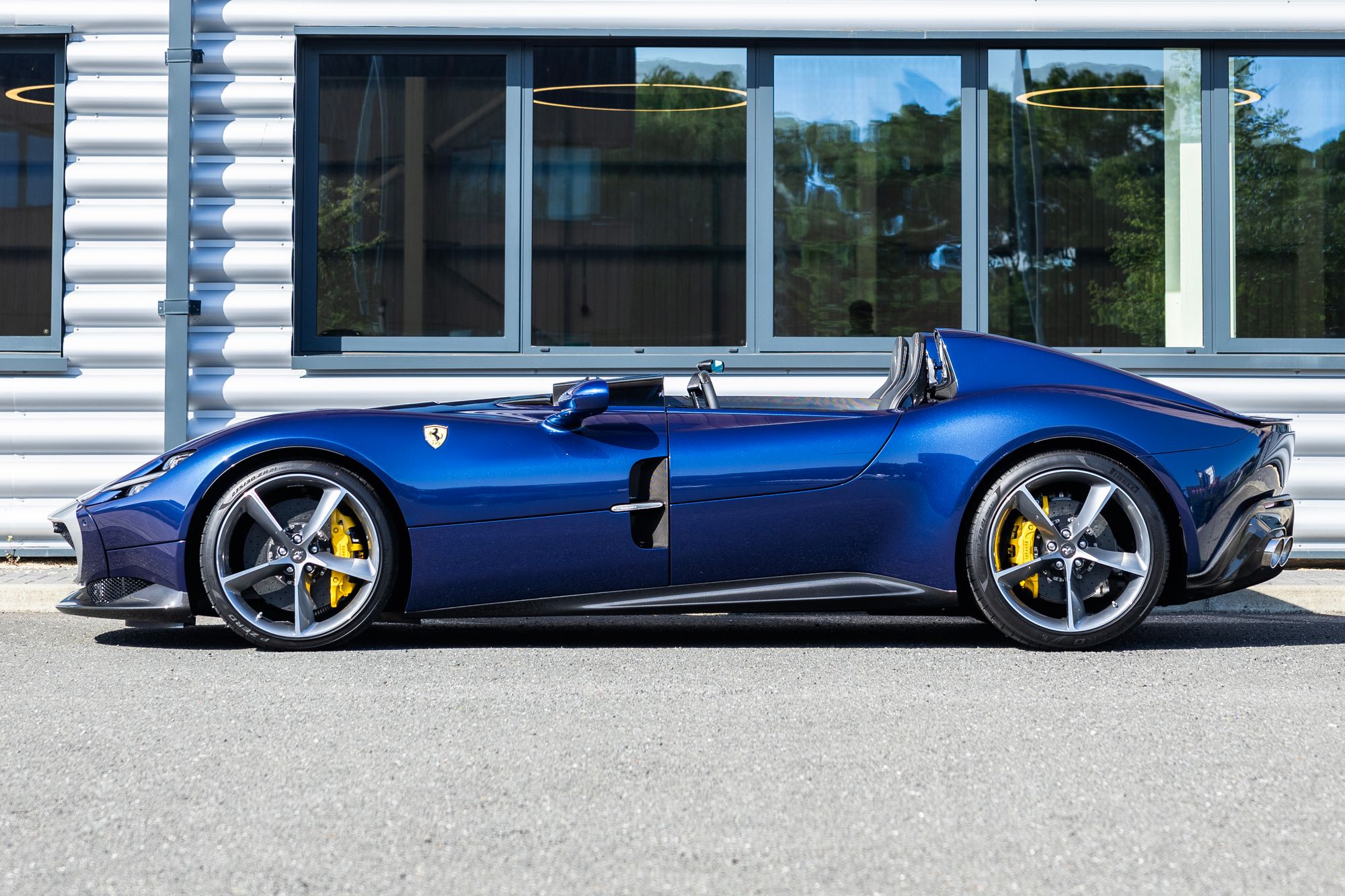
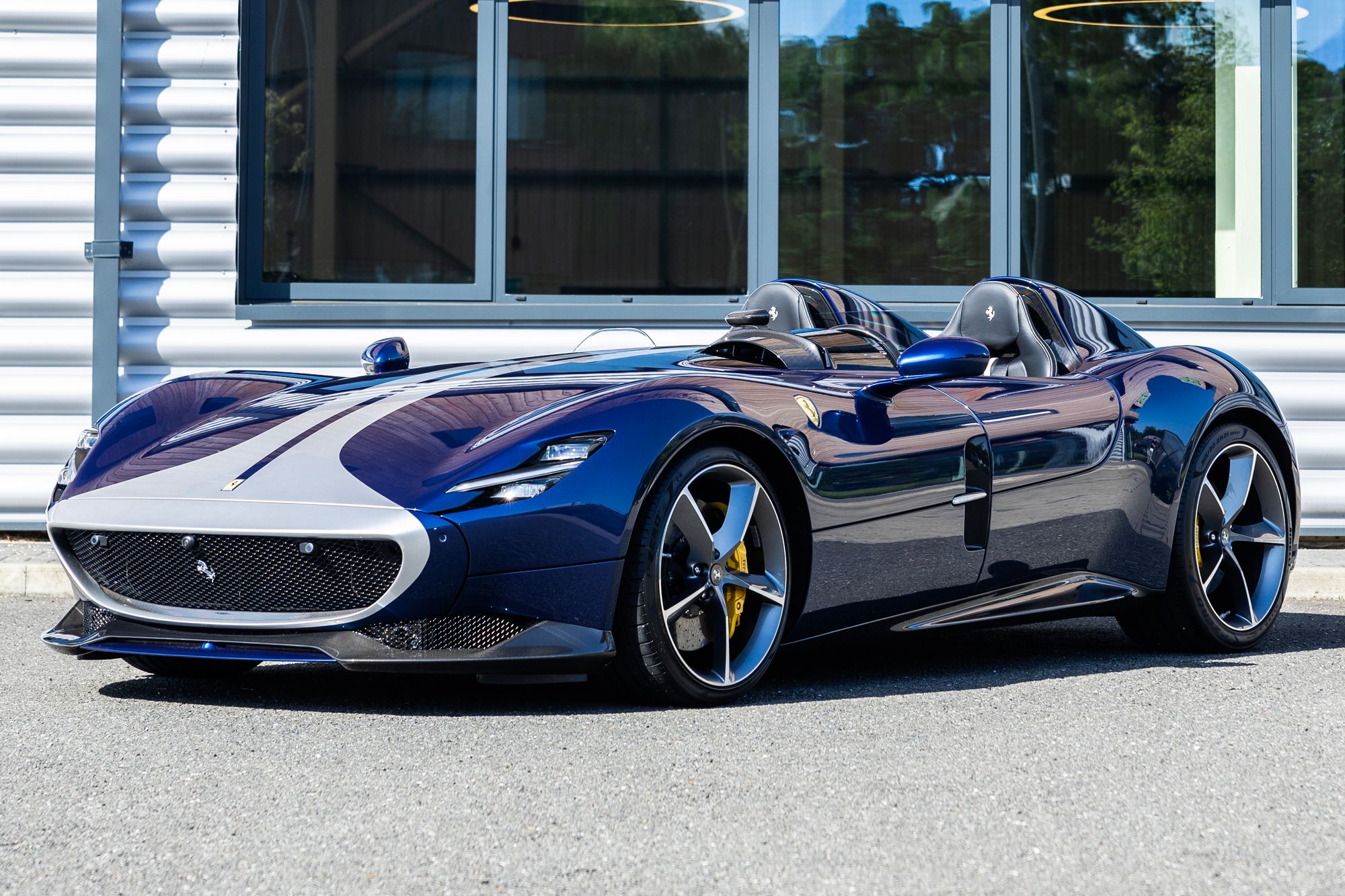
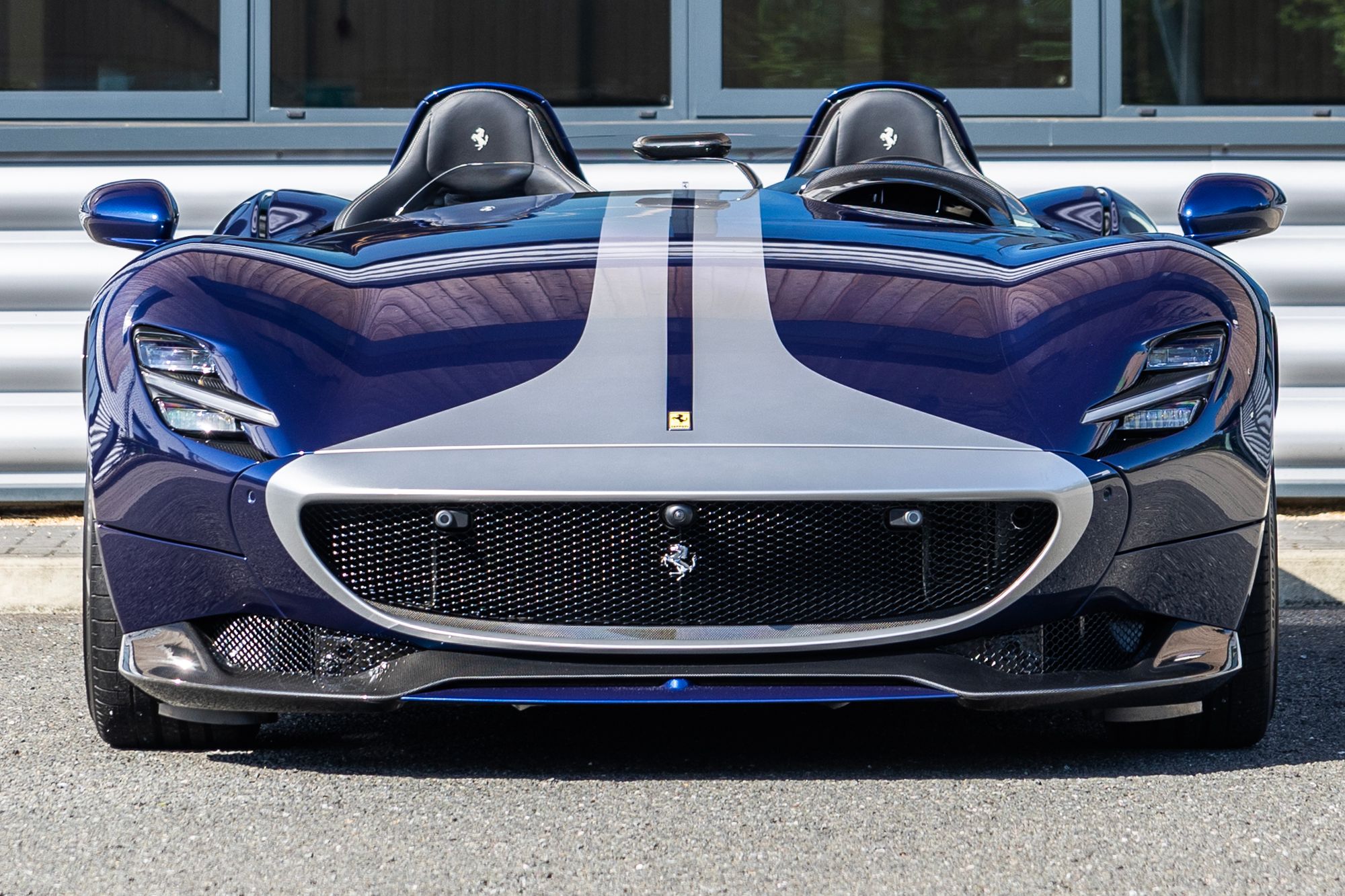
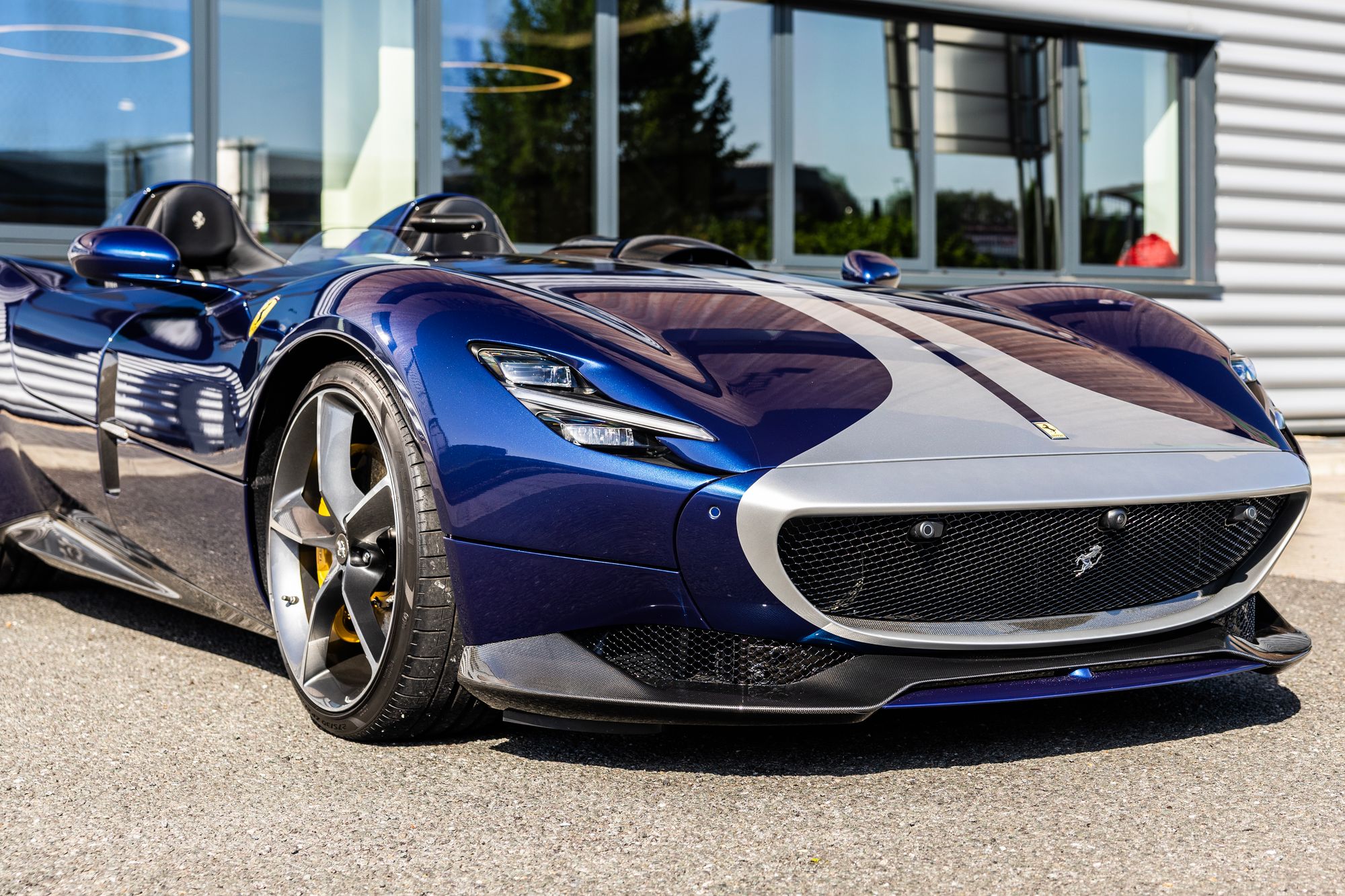
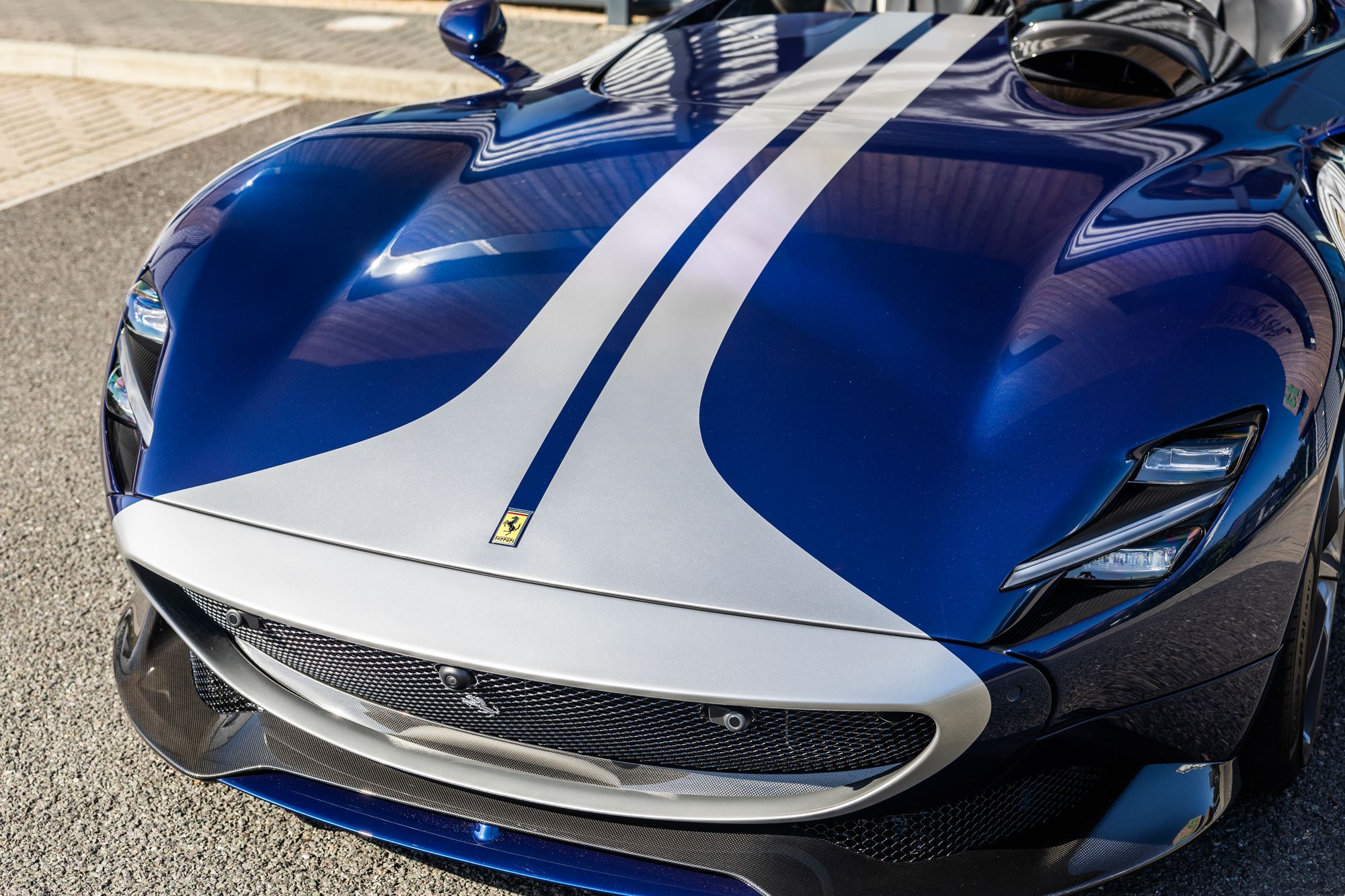
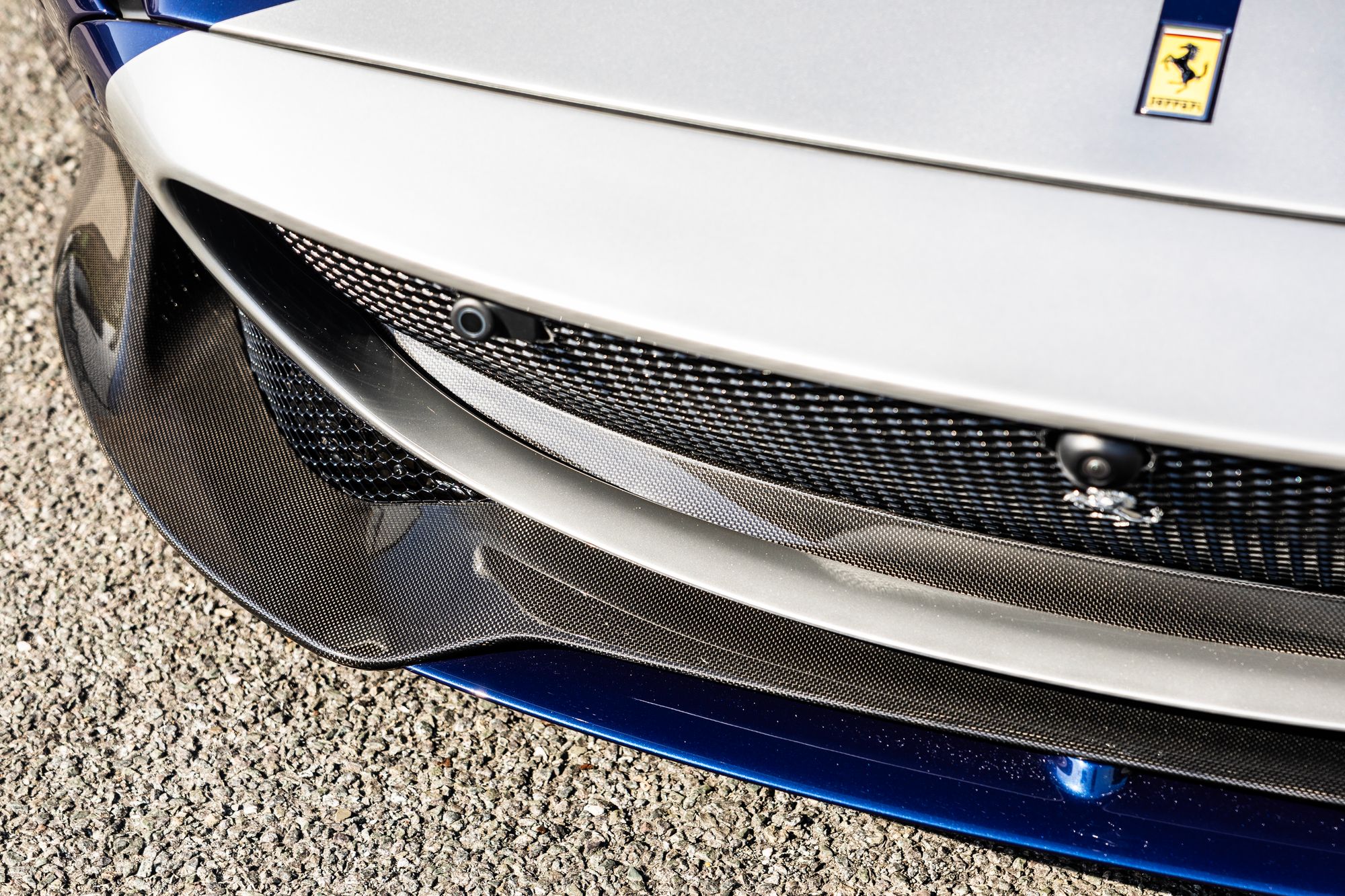
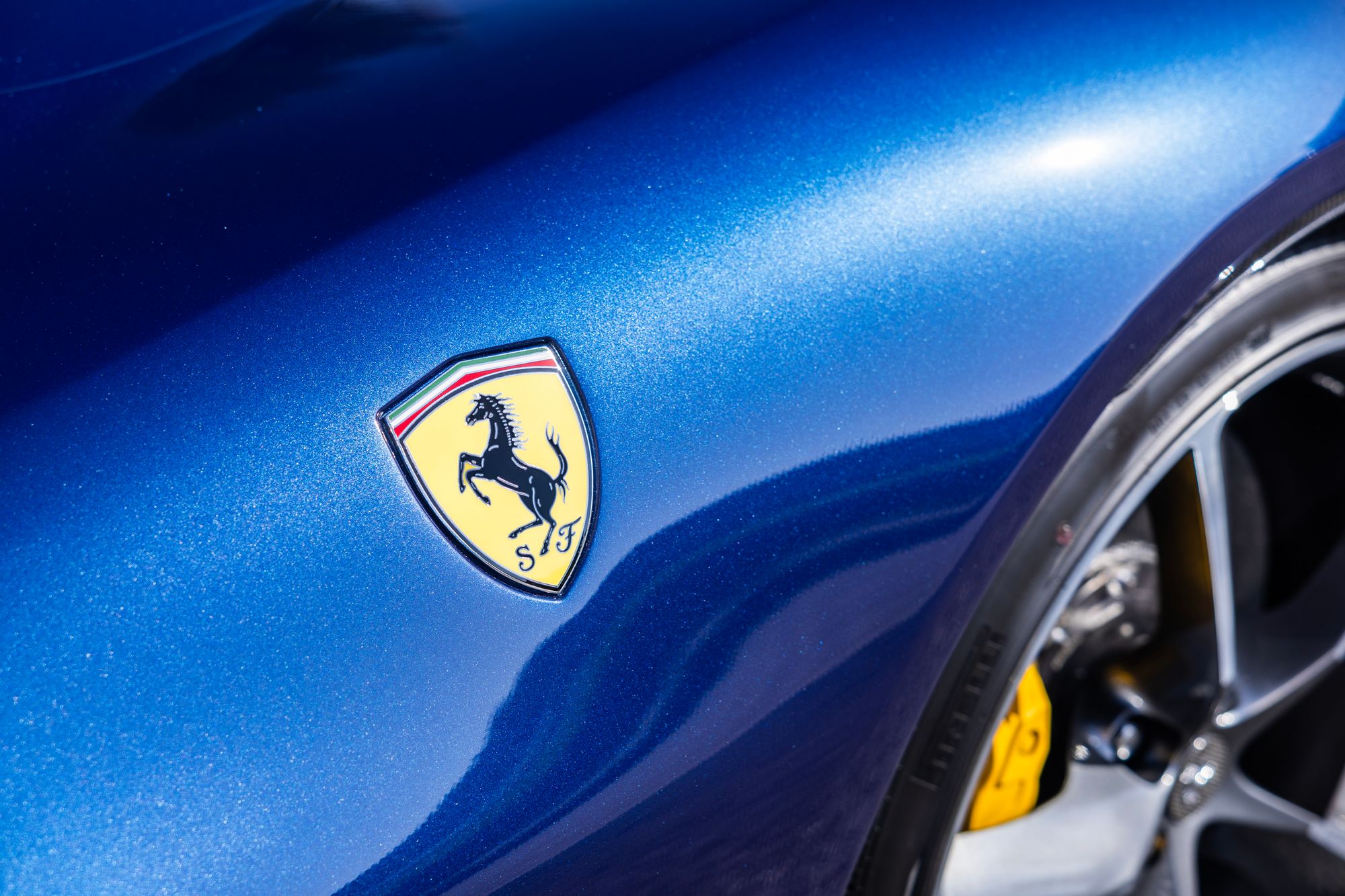
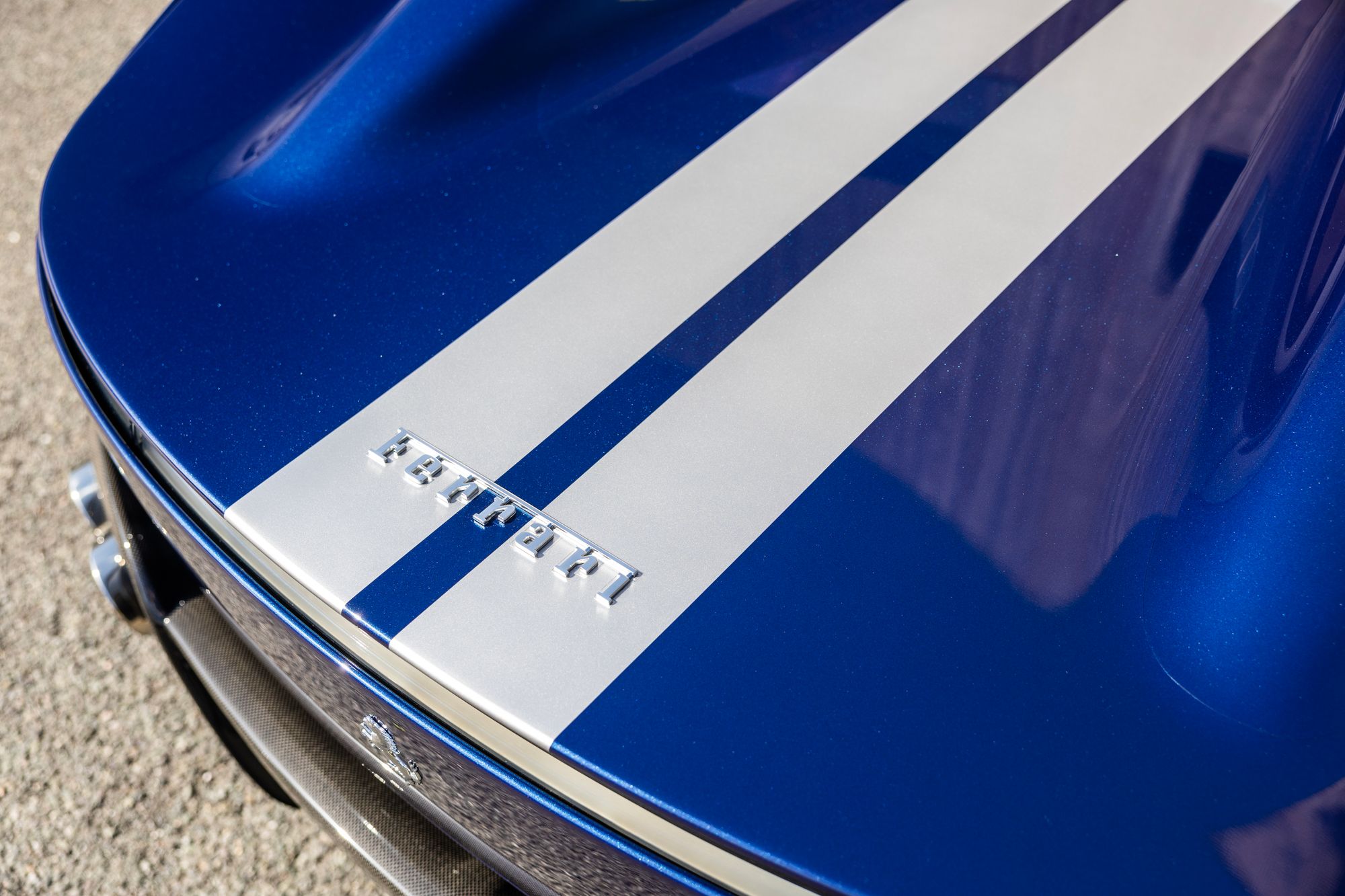
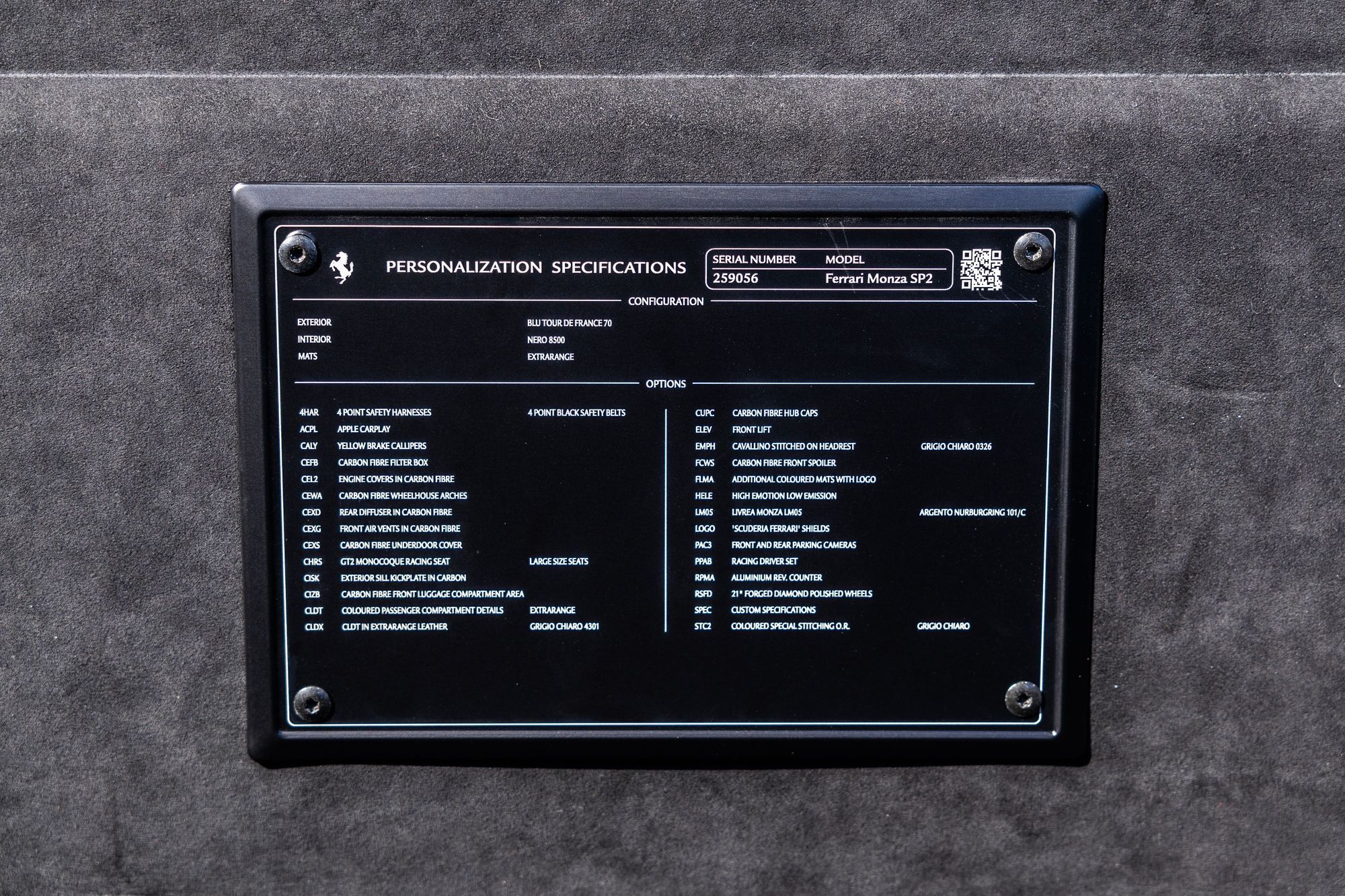
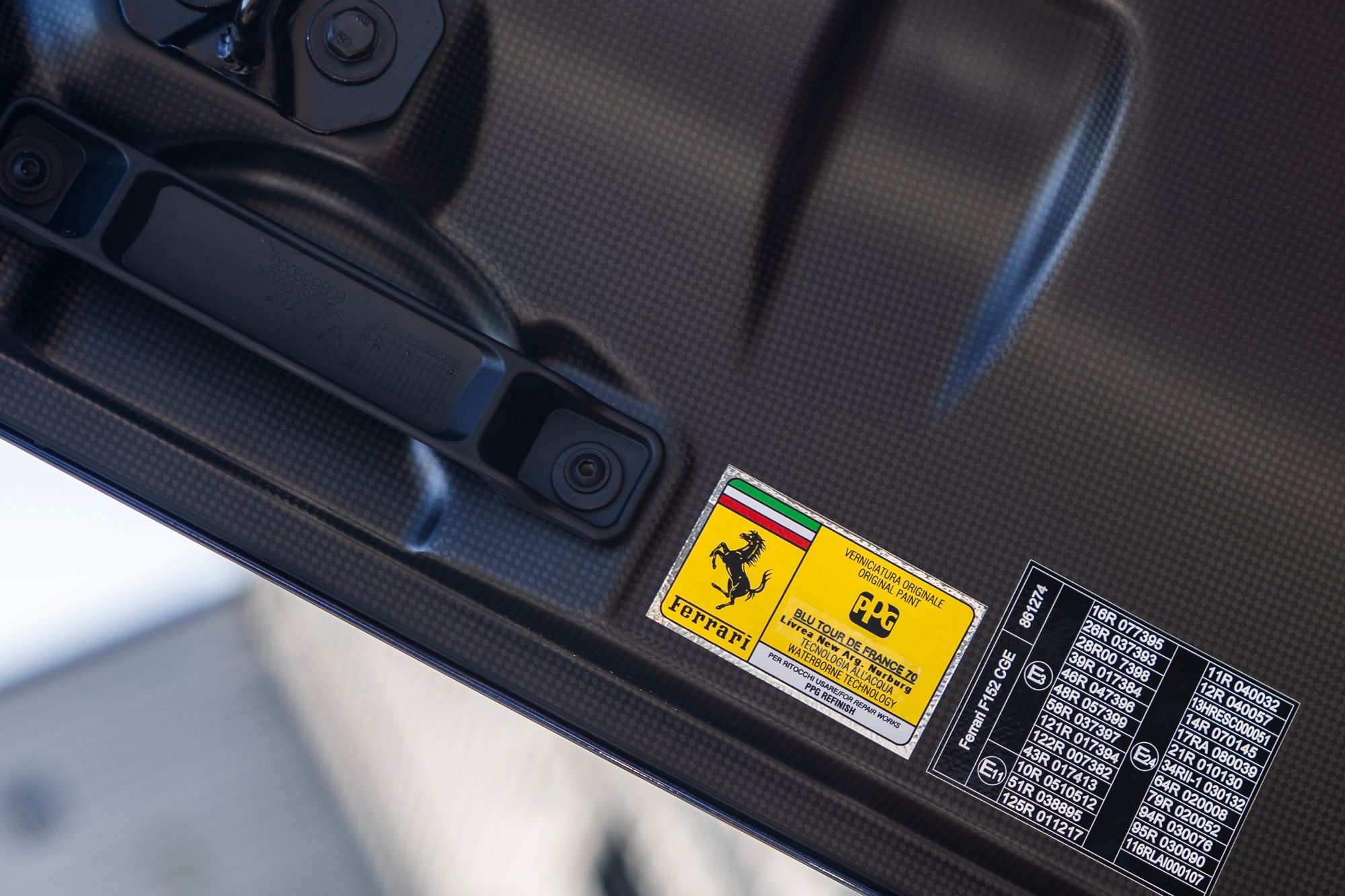
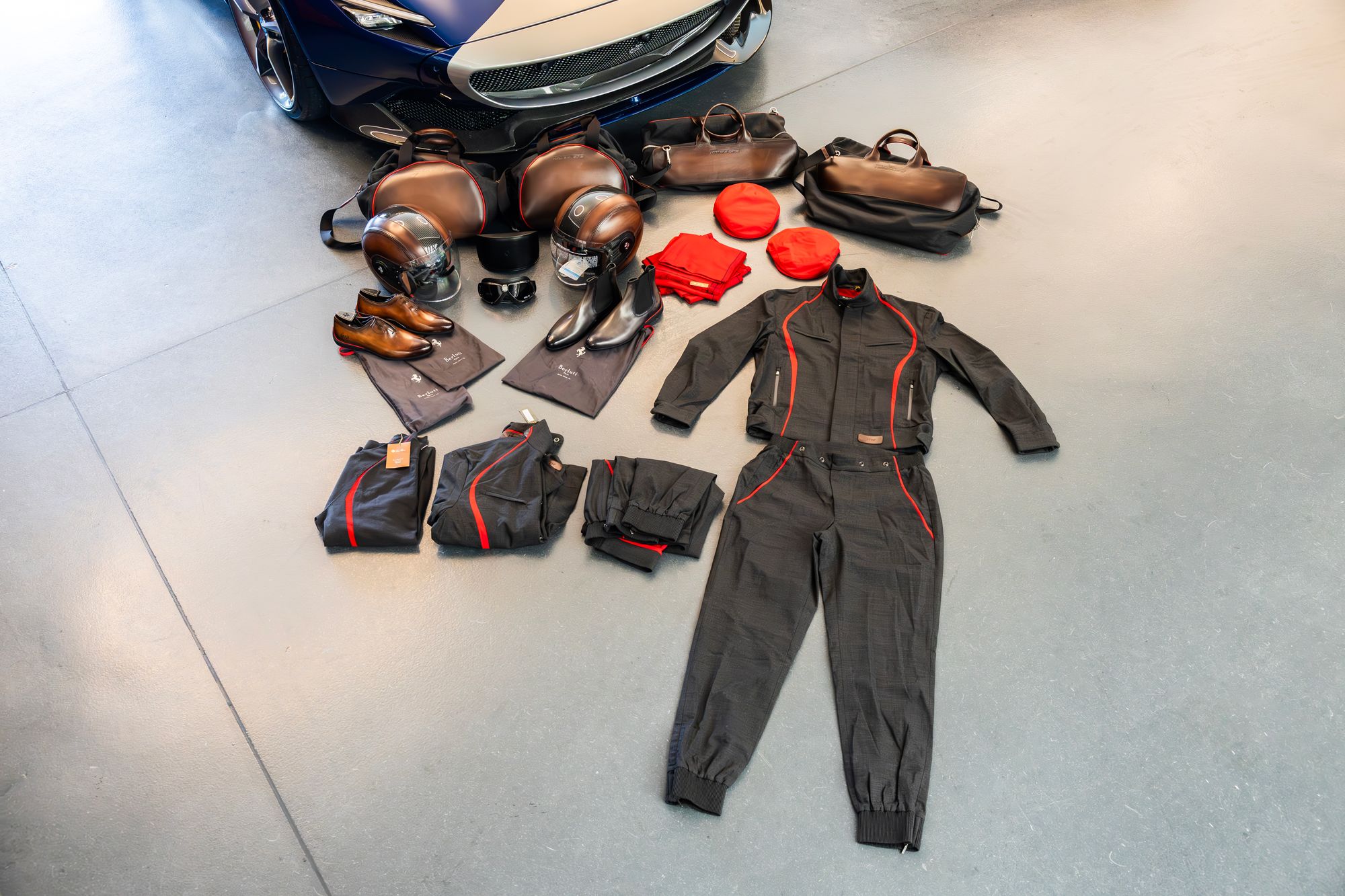
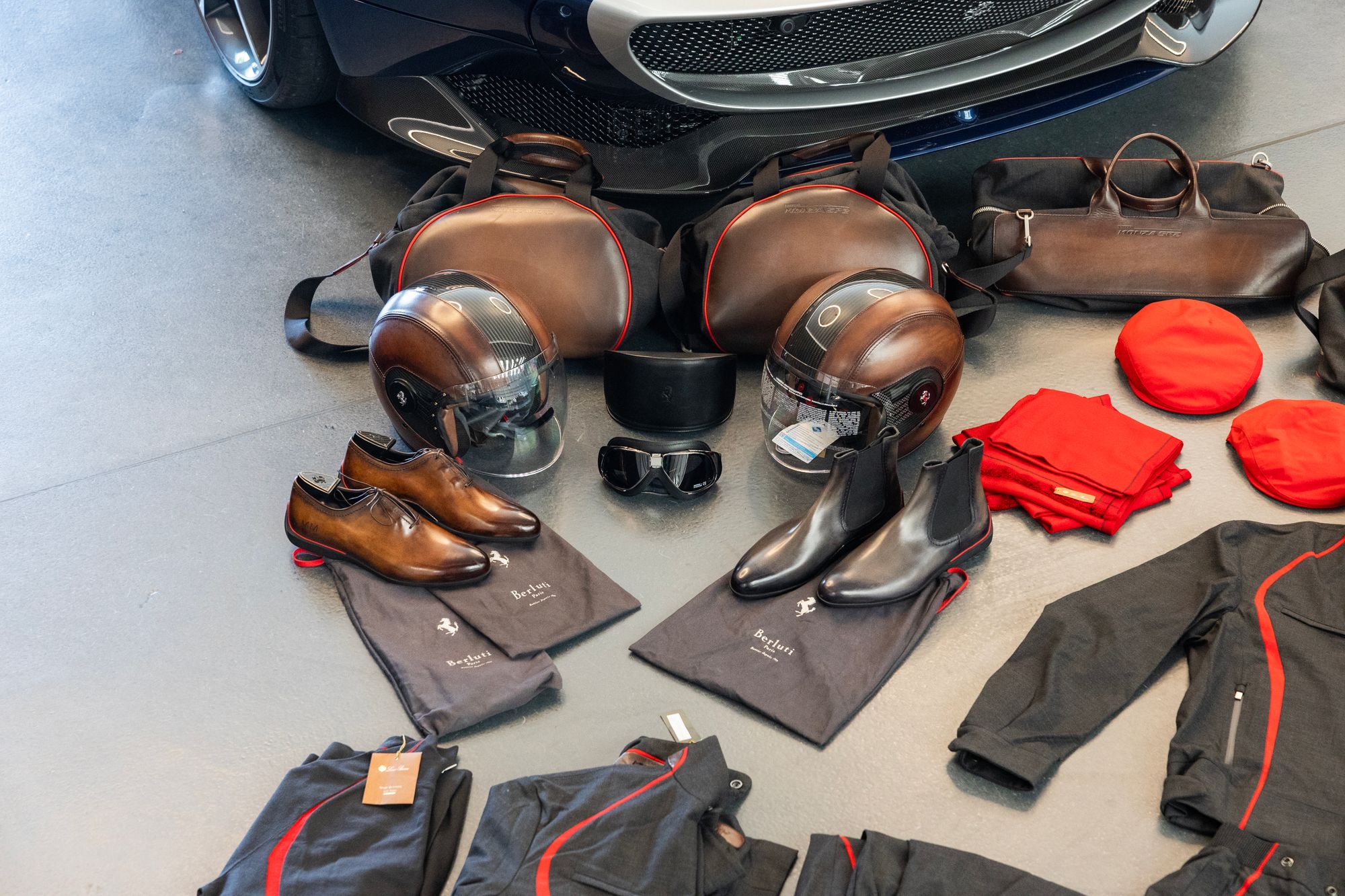
Key Points: Paint Protection Film (PPF) Applied To Whole Car, Livery LM05 in Argento Nurburgring, Racing Driver Set.
The Ferrari Monza SP2 is a highly exclusive, limited-production open-top sports car introduced by the Ferrari Styling Centre under the direction of Flavio Manzoni. Launched as the foundational model for Ferrari’s elite "Icona" series, this two-seat barchetta bridges the gap between historical racing prestige and state-of-the-art hypercar technology. Its evocative styling is a direct, modern reinterpretation of legendary post-war sports racers, specifically taking structural and aesthetic cues from the 1948 166 MM, the 250 Testarossa, and the 750 and 860 Monza models. Global production across its entire run was capped at just 499 units collectively shared with its single-seat counterpart, the SP1. Originally priced at approximately £1.4 million before individual customisation, the car was offered strictly to Ferrari’s most loyal, hand-selected collectors.
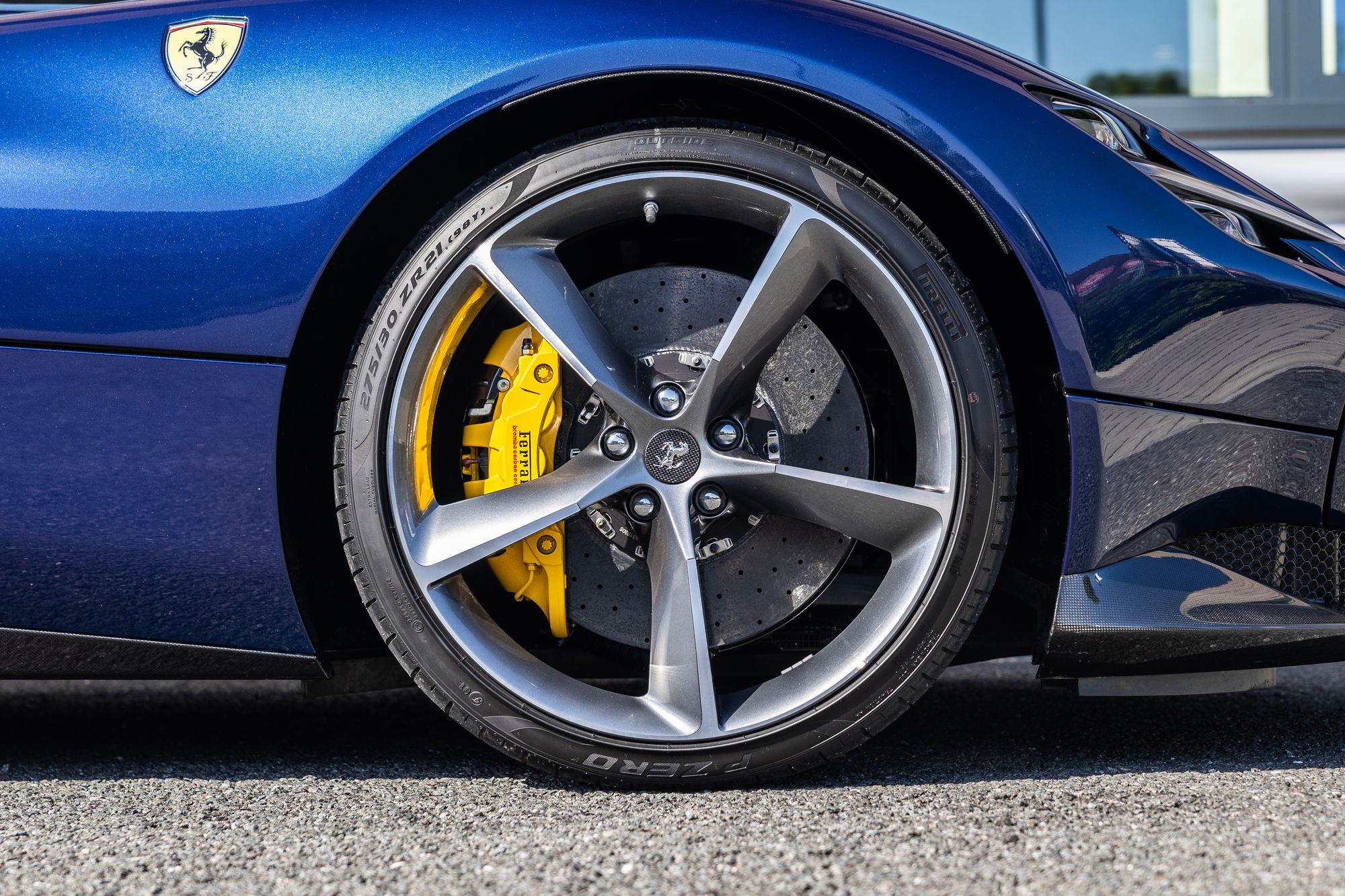
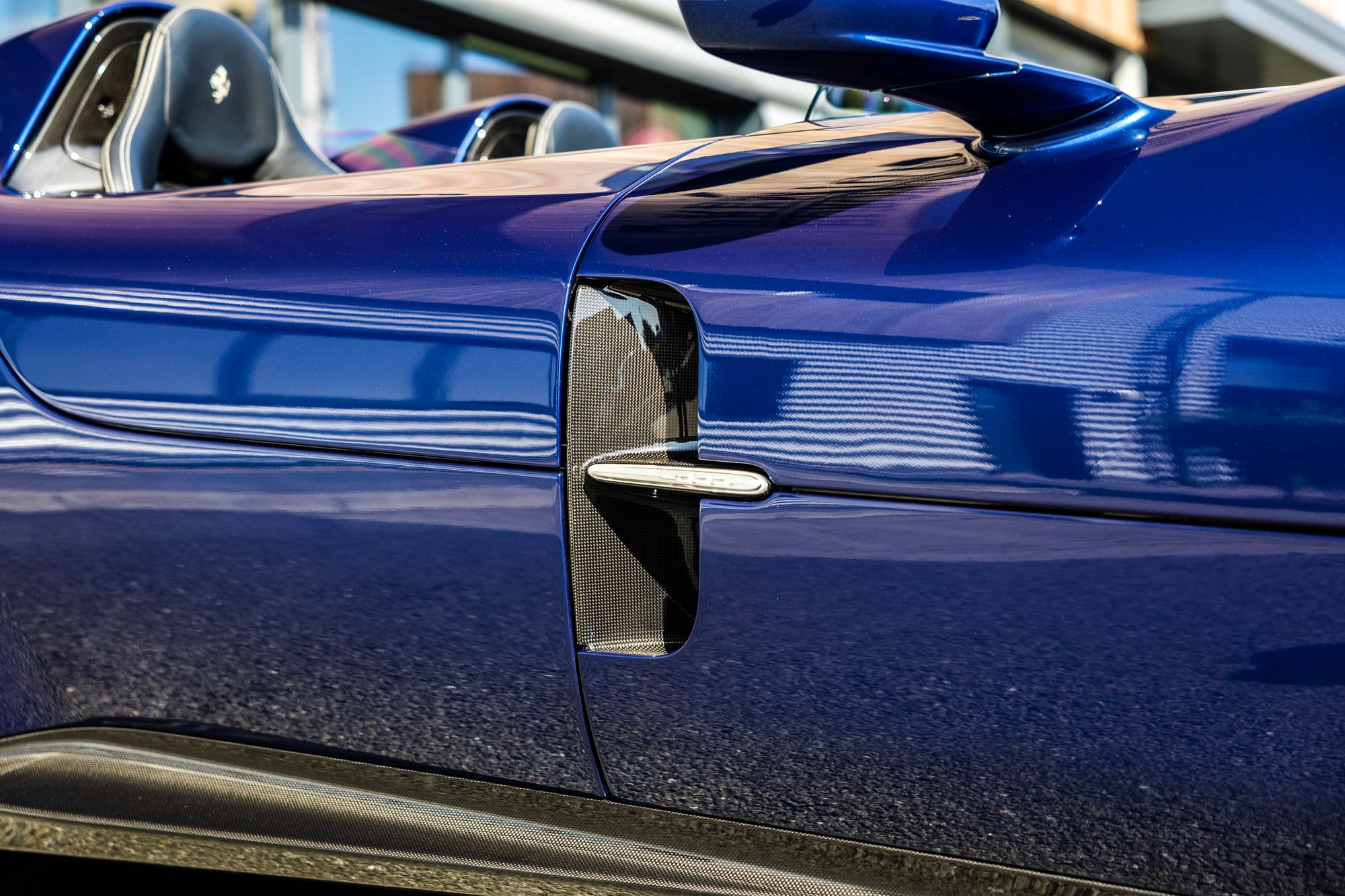
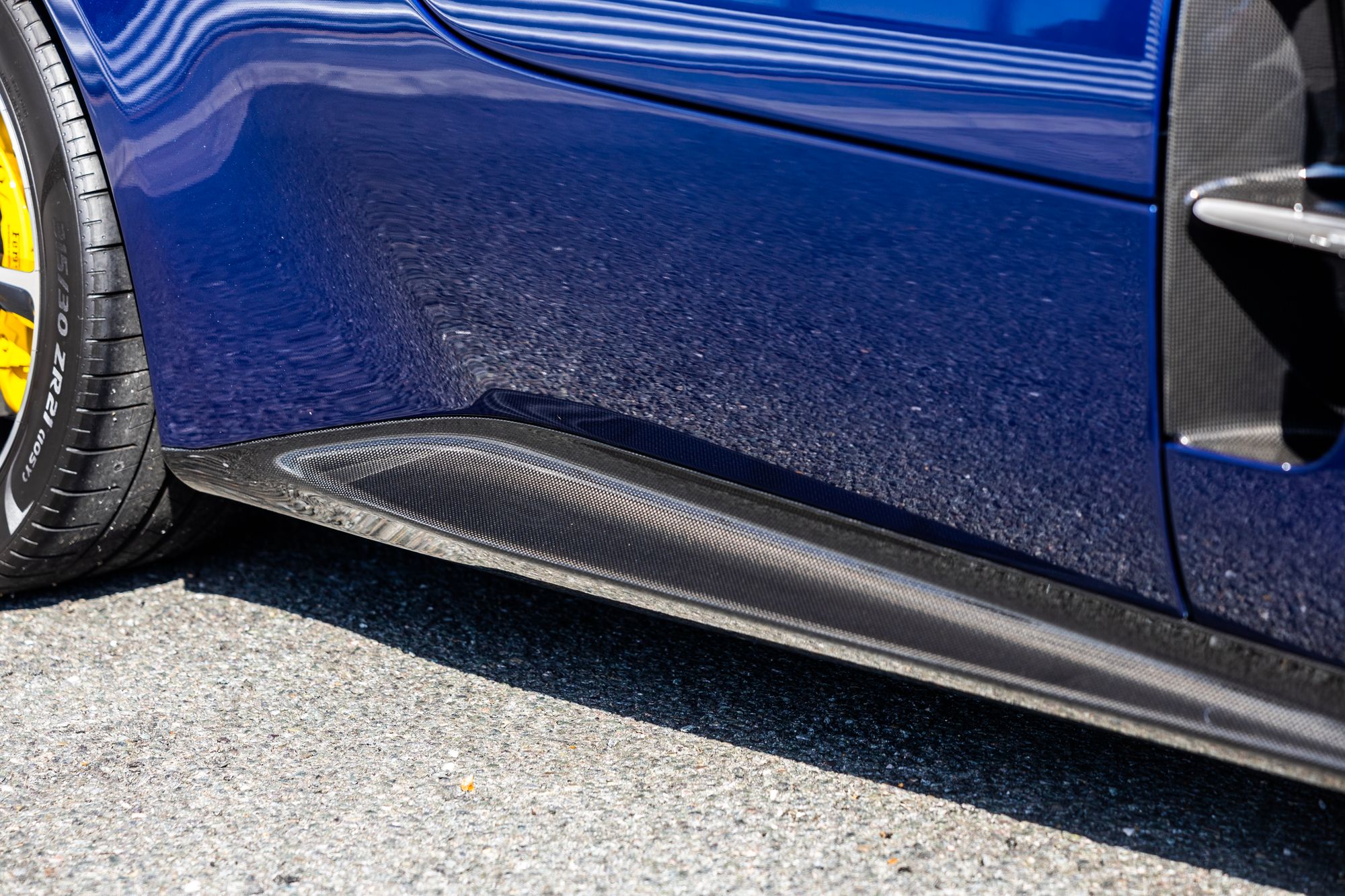
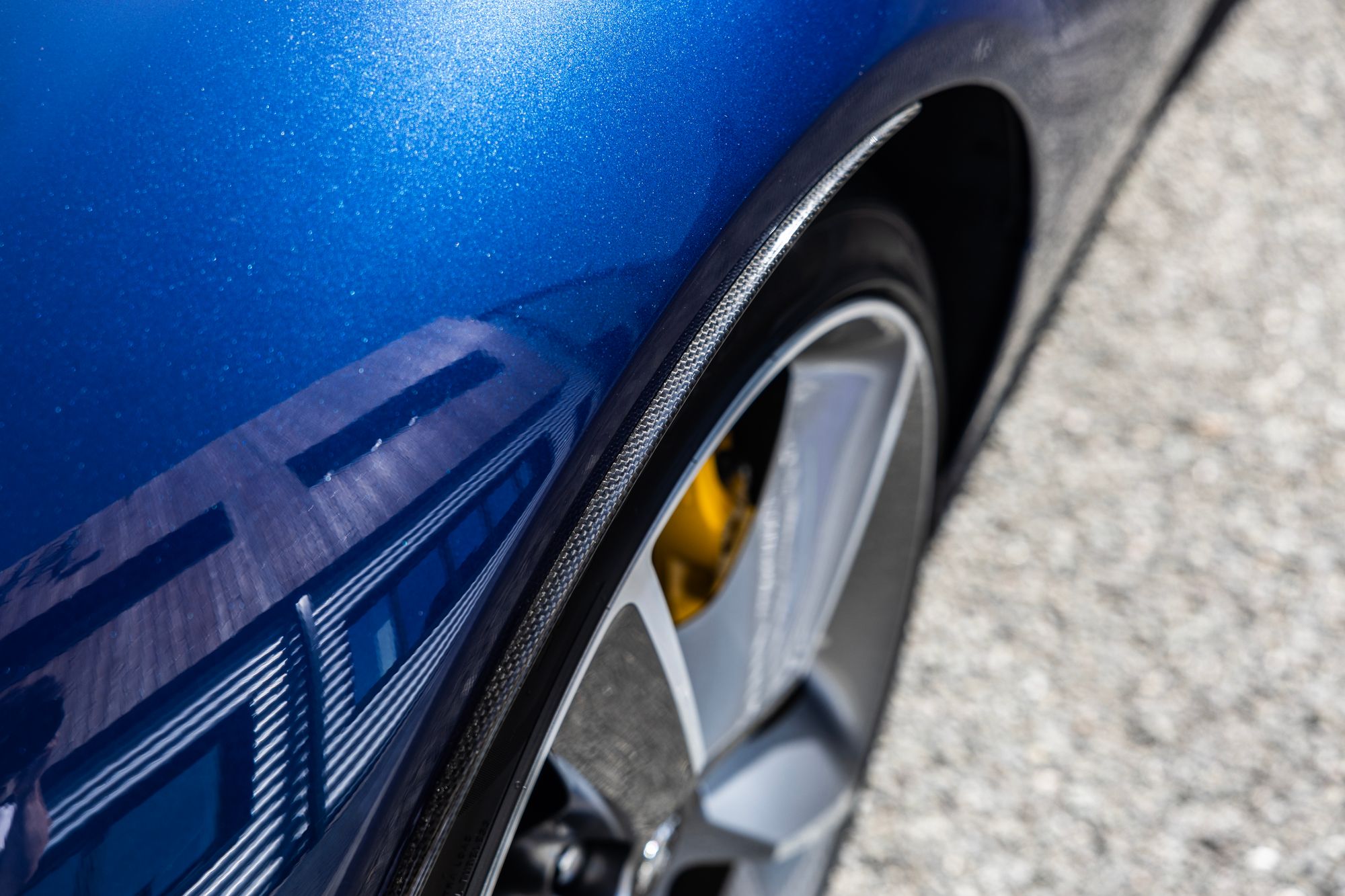
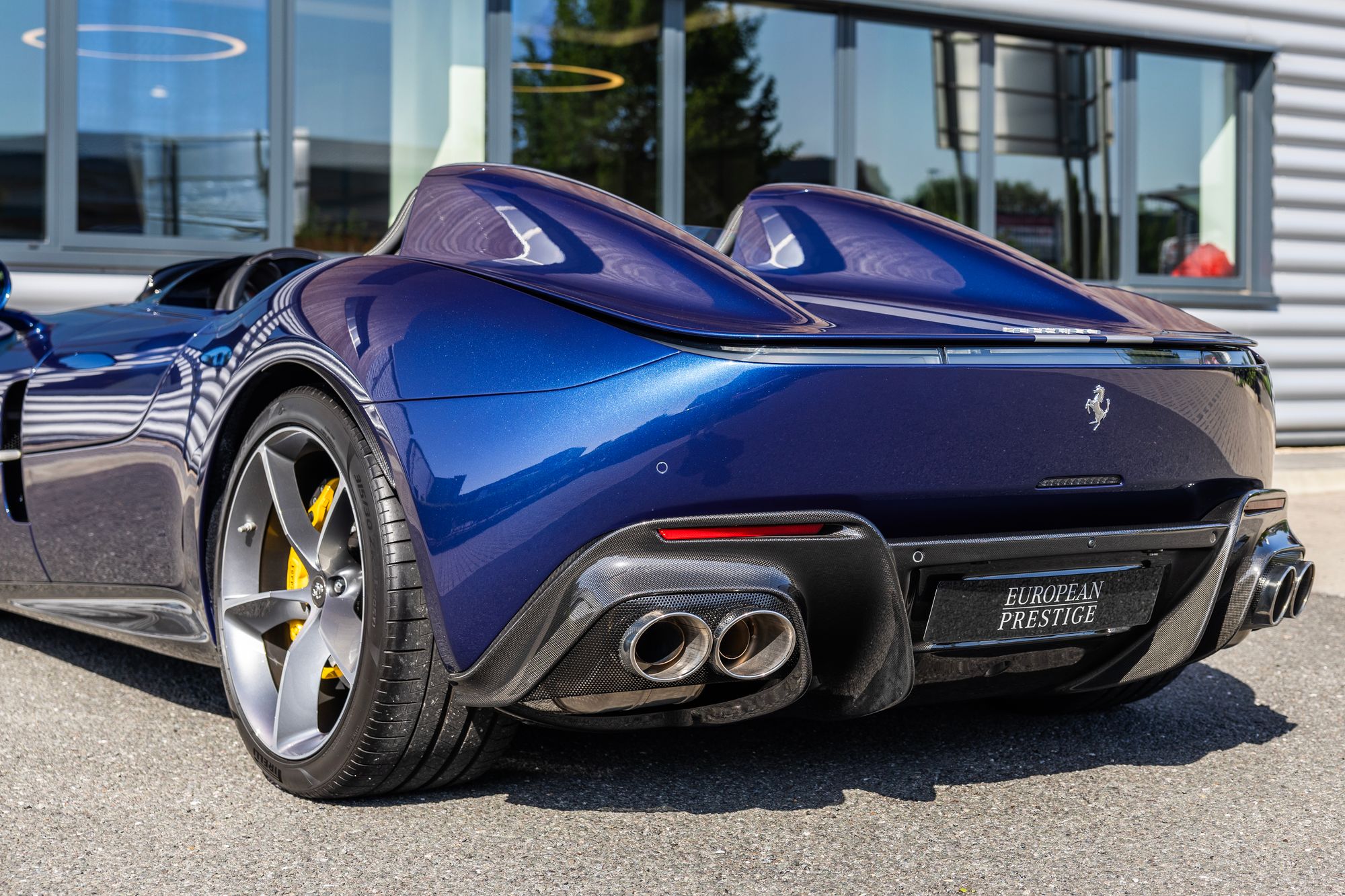
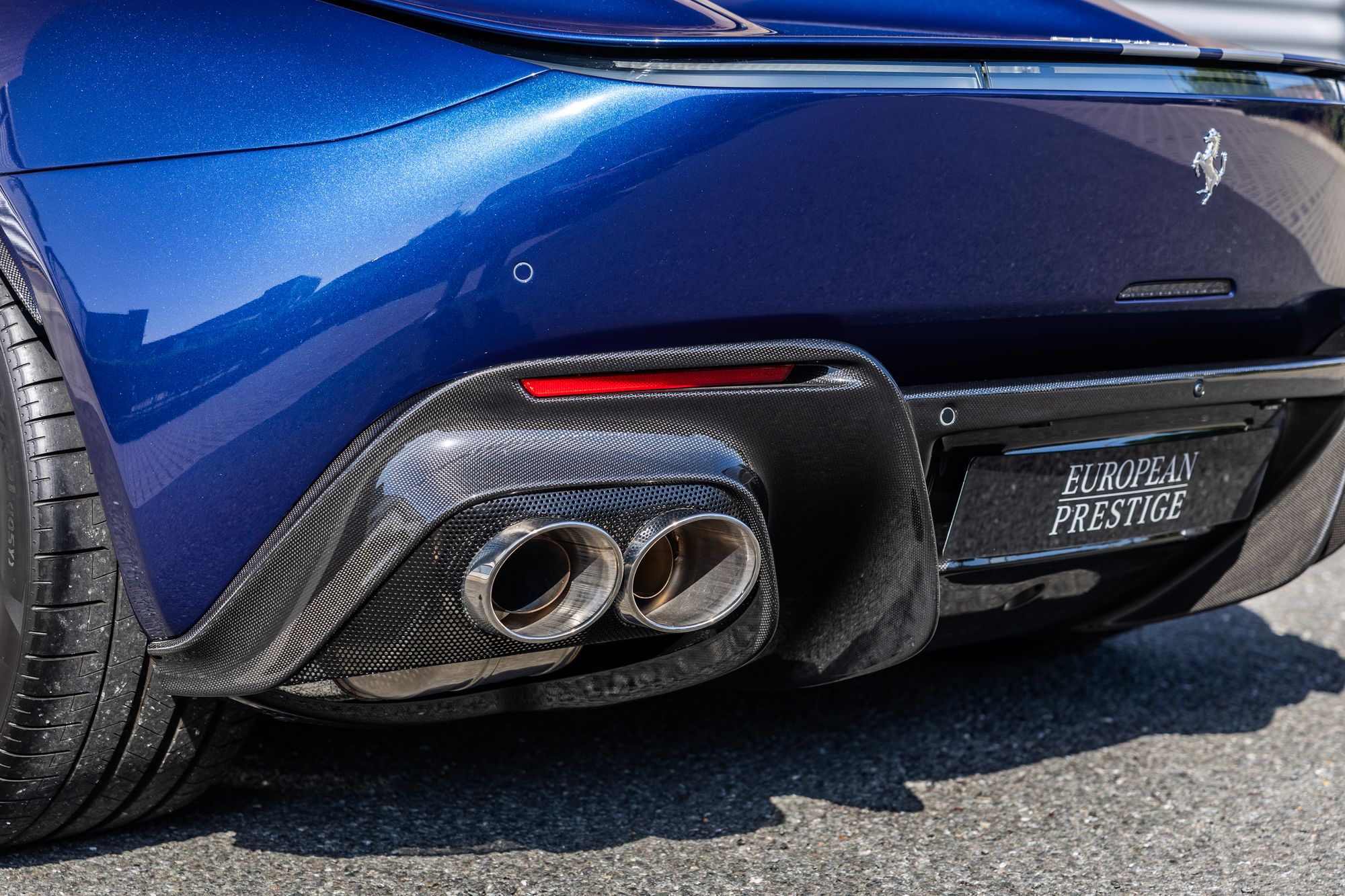
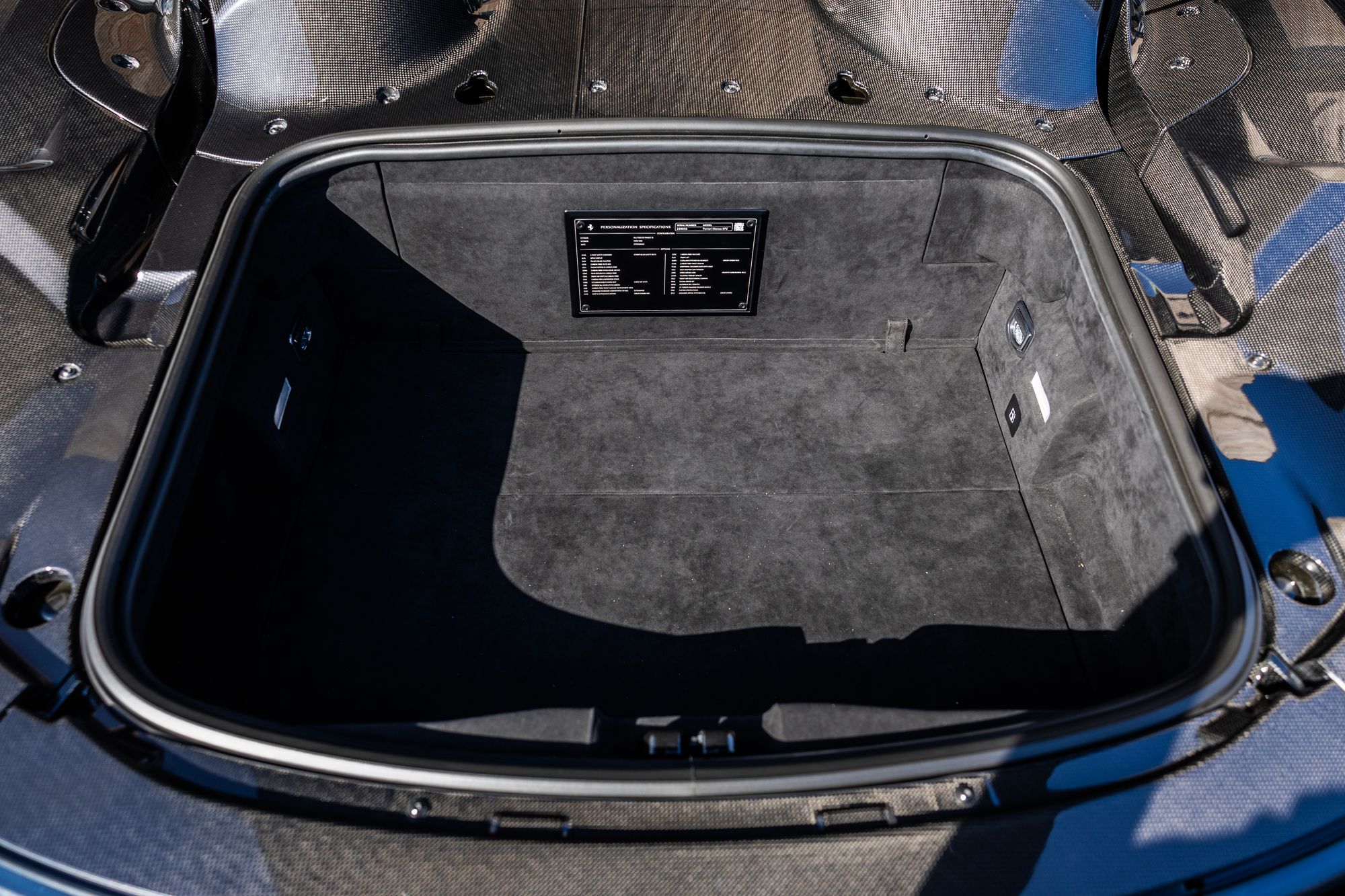
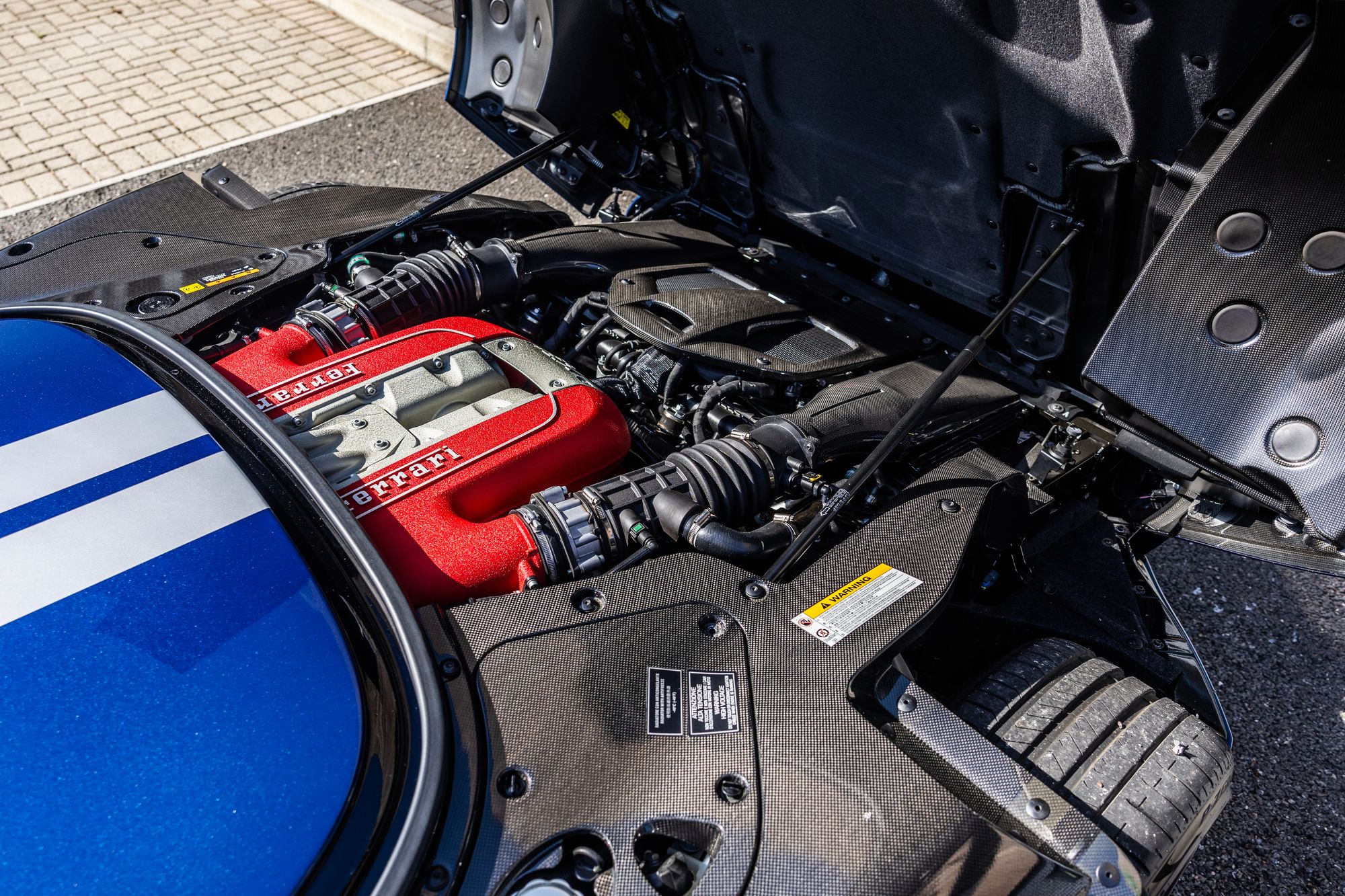
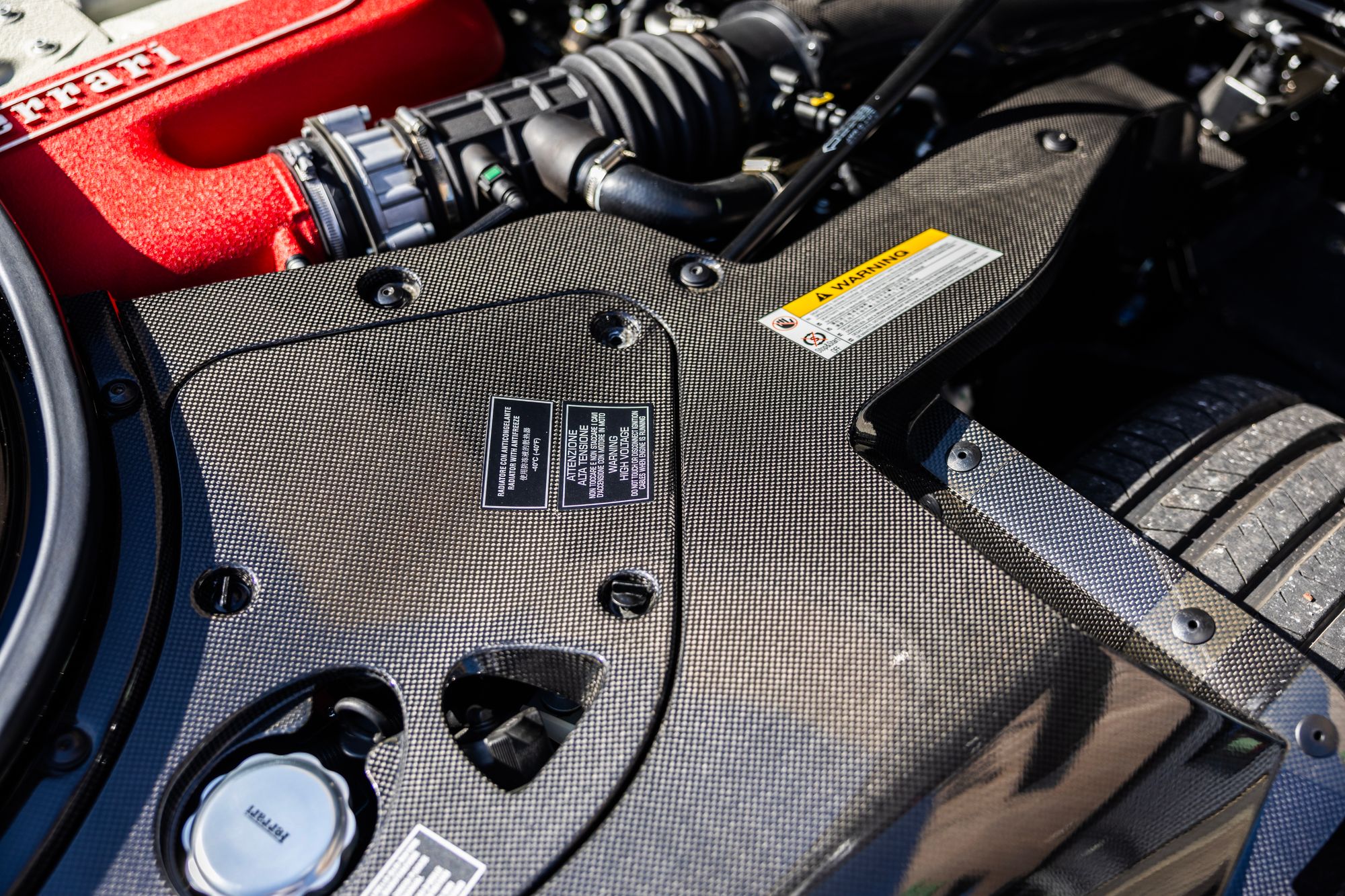
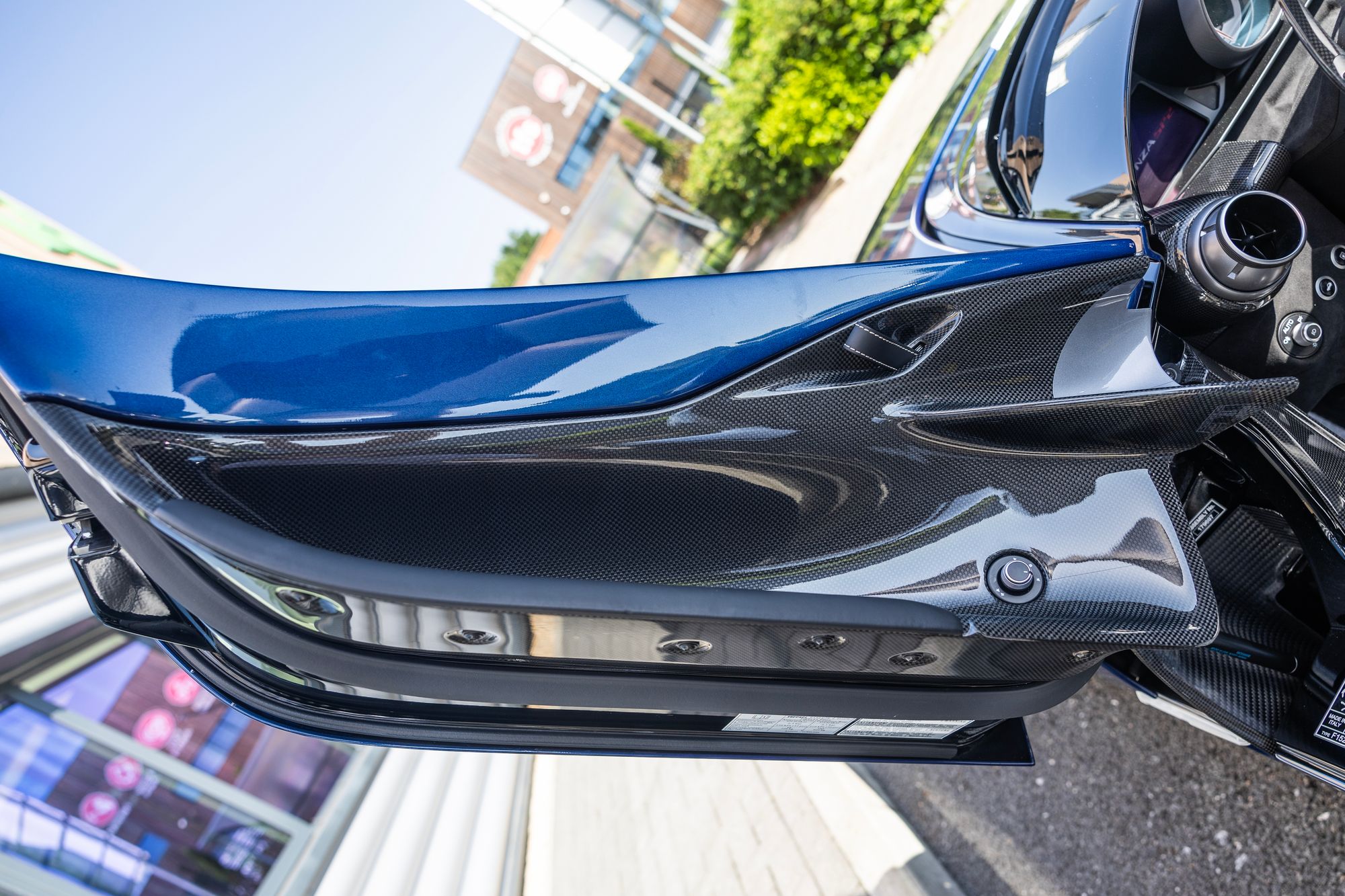
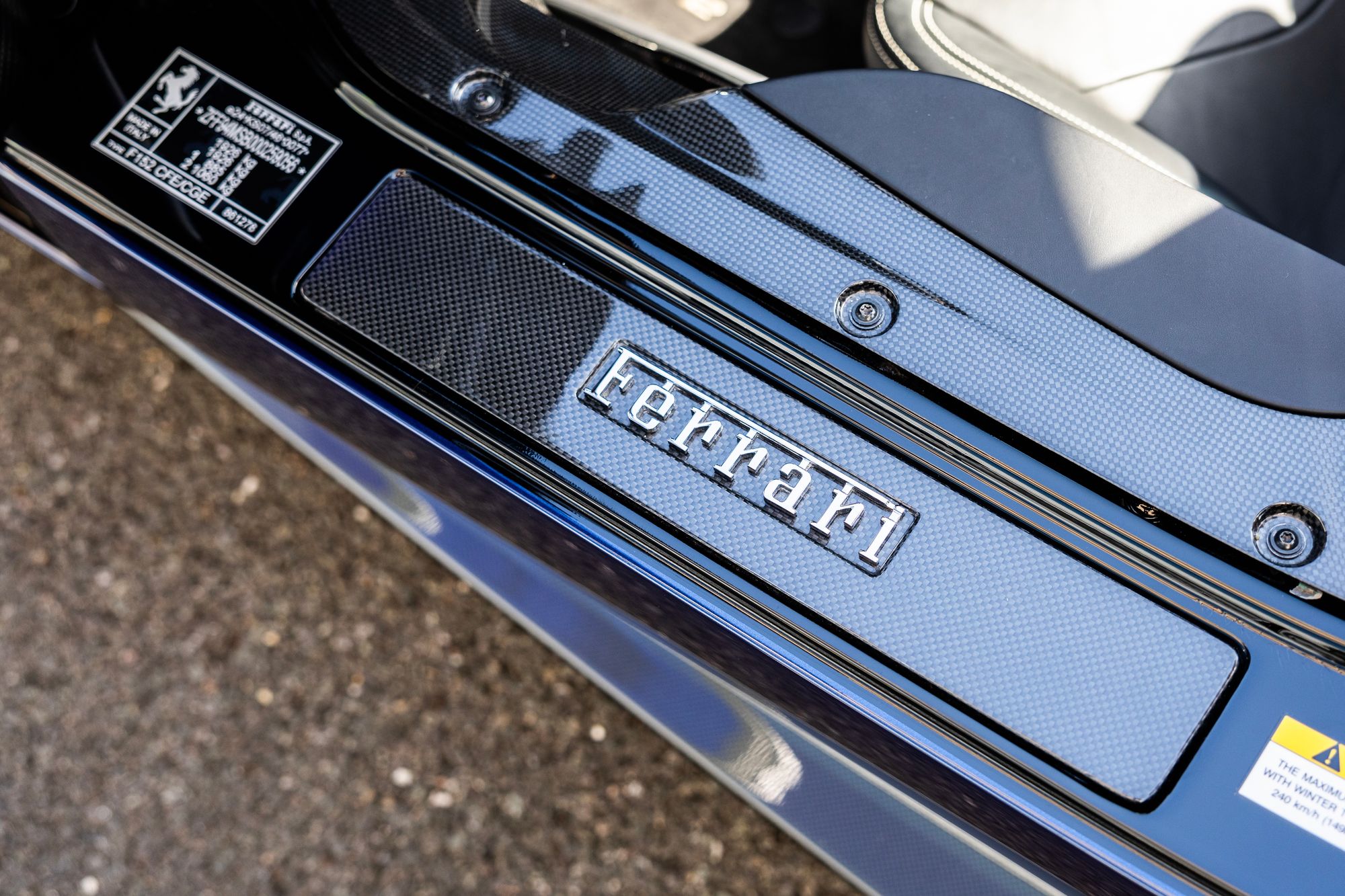
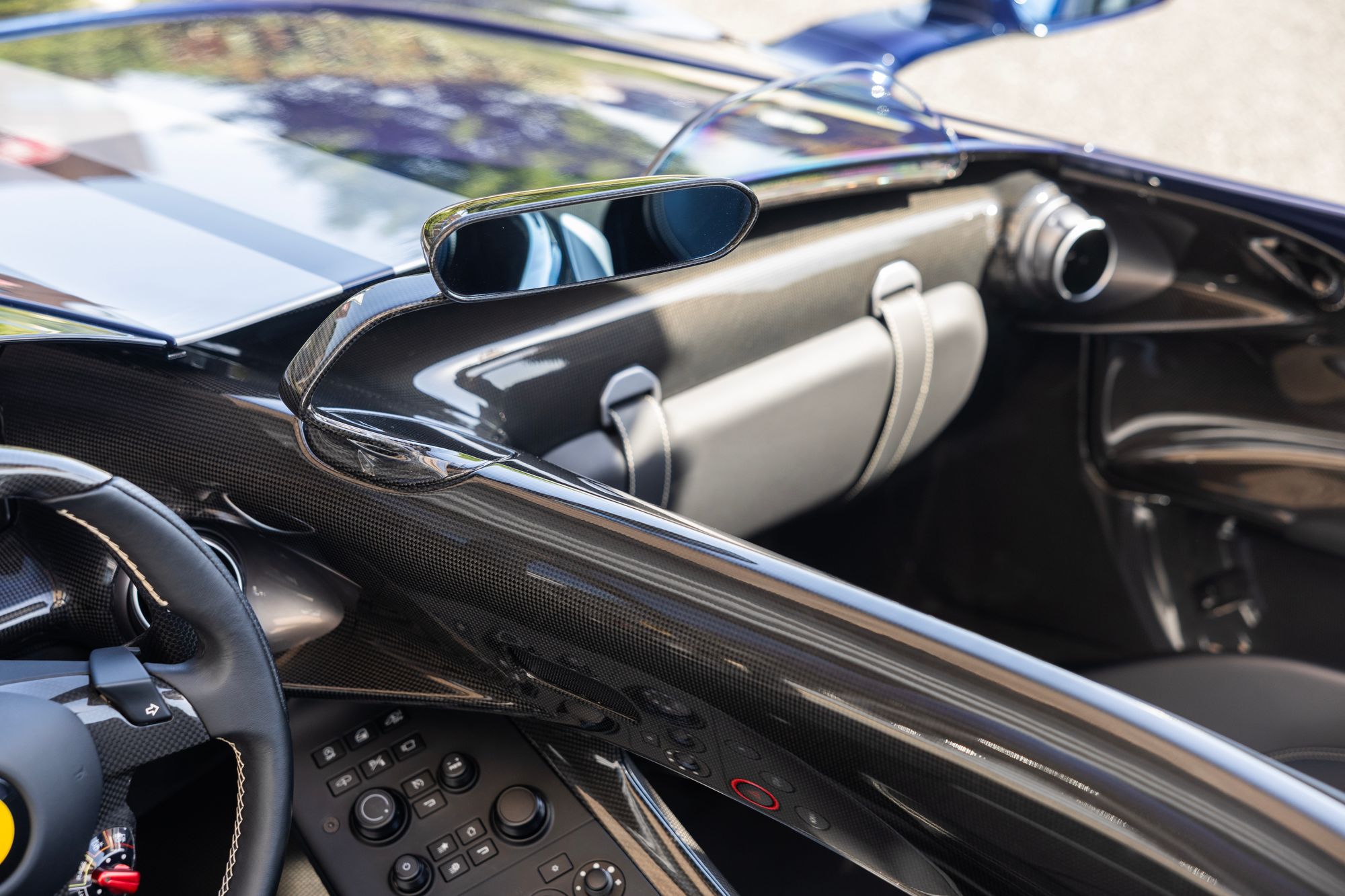
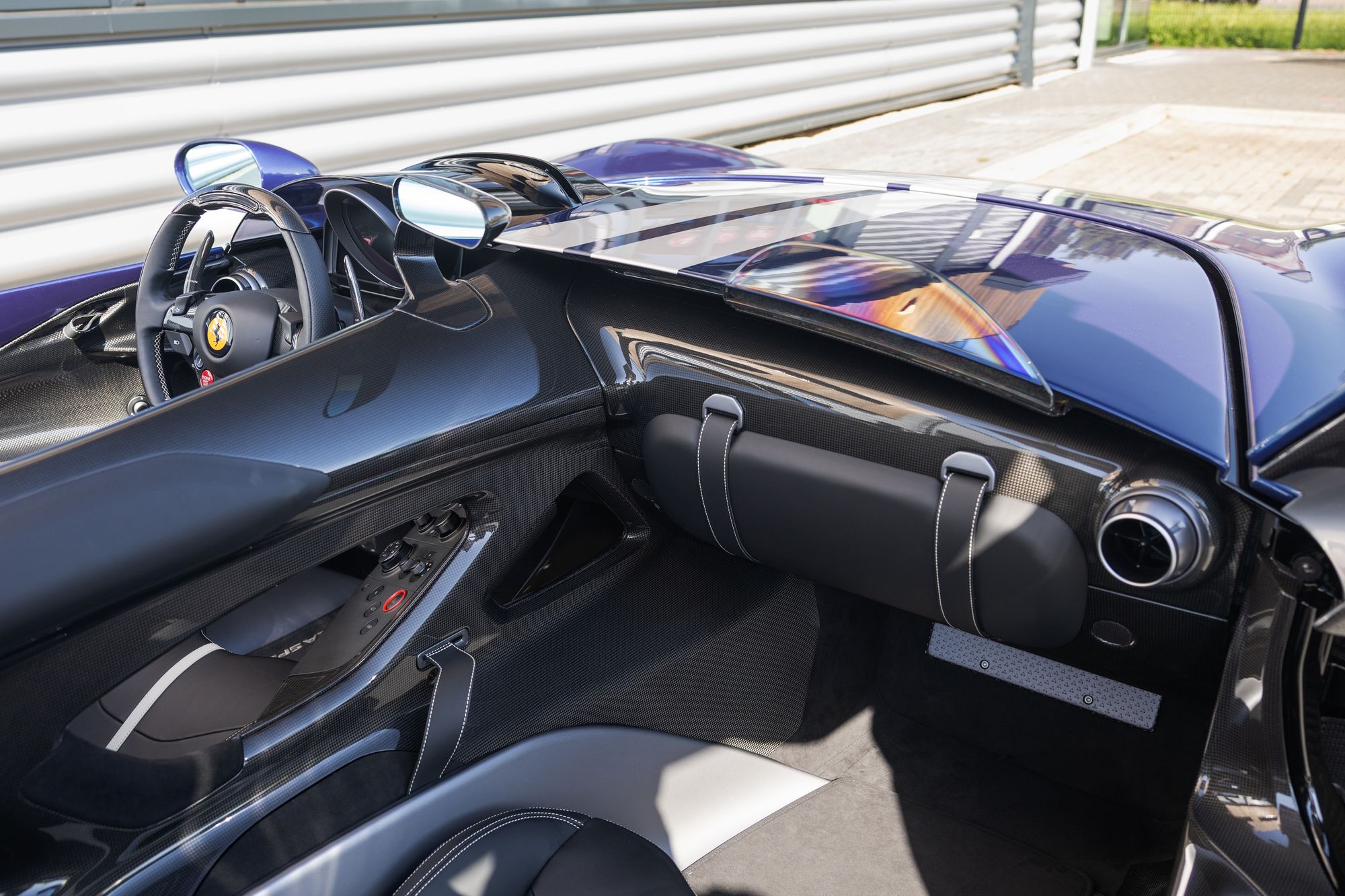
Architecturally, the Monza SP2 is built upon a highly modified version of the aluminium chassis from the 812 Superfast, wrapped entirely in bespoke carbon-fibre composite bodywork. The vehicle completely discards a traditional roof, side windows and front windscreen, resulting in a dramatic, low-slung profile. Because of the incredible tensile strength of its composite layout, engineers integrated a massive, front-hinged "clamshell" bonnet that lifts entirely to showcase the engine bay. The SP2 has a dry weight of 1,520 kg, making it only 20 kg heavier than the single-seat version due to the second passenger seat, structural roll-hoop, and a central carbon-fibre dividing pillar. Visually, the exterior is defined by upward-opening scissor doors, bespoke 21-inch front and 22-inch rear sculptural five-spoke forged wheels, and a singular, unbroken horizontal LED light strip wrapping around the rear fascia.
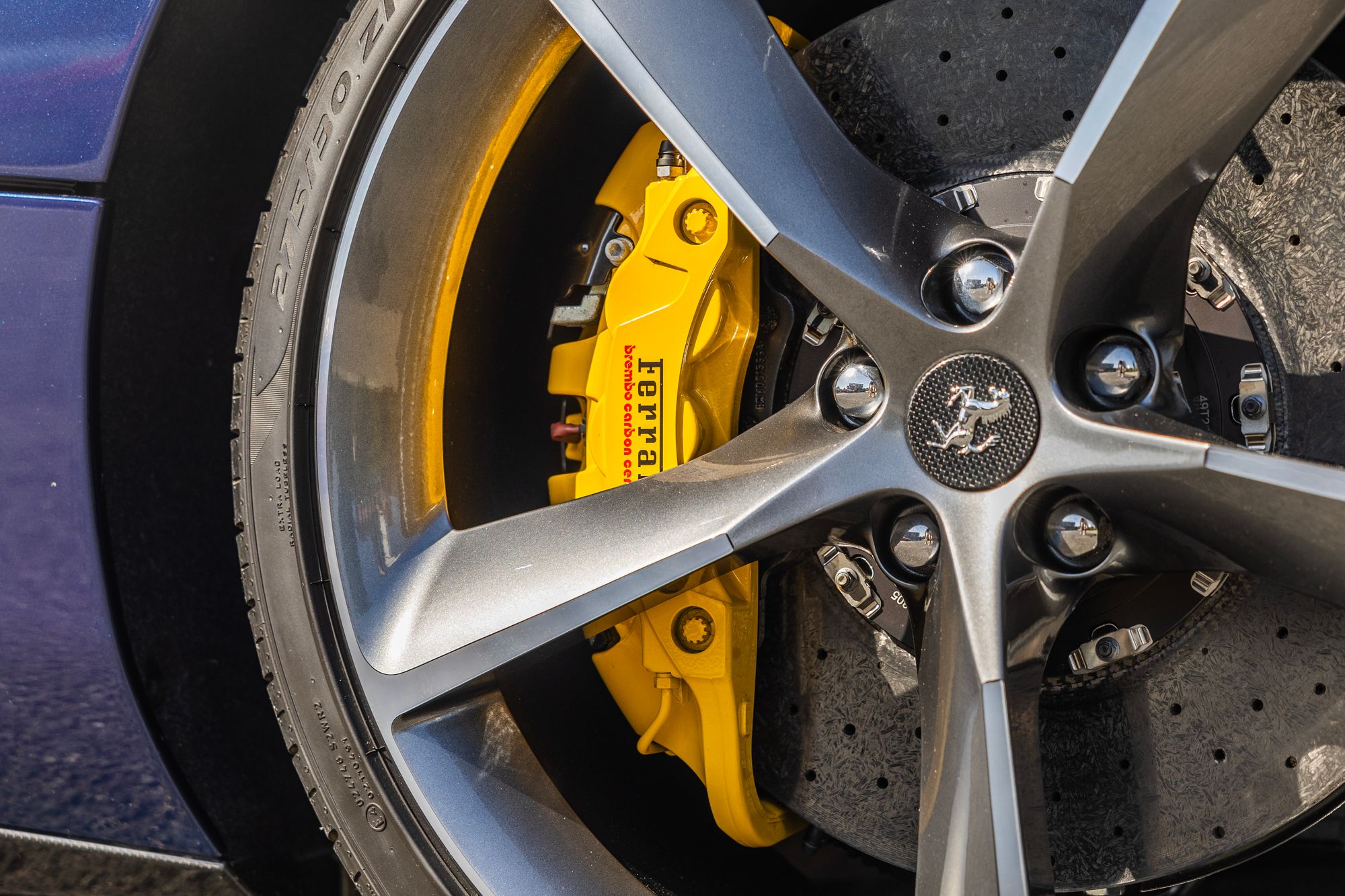
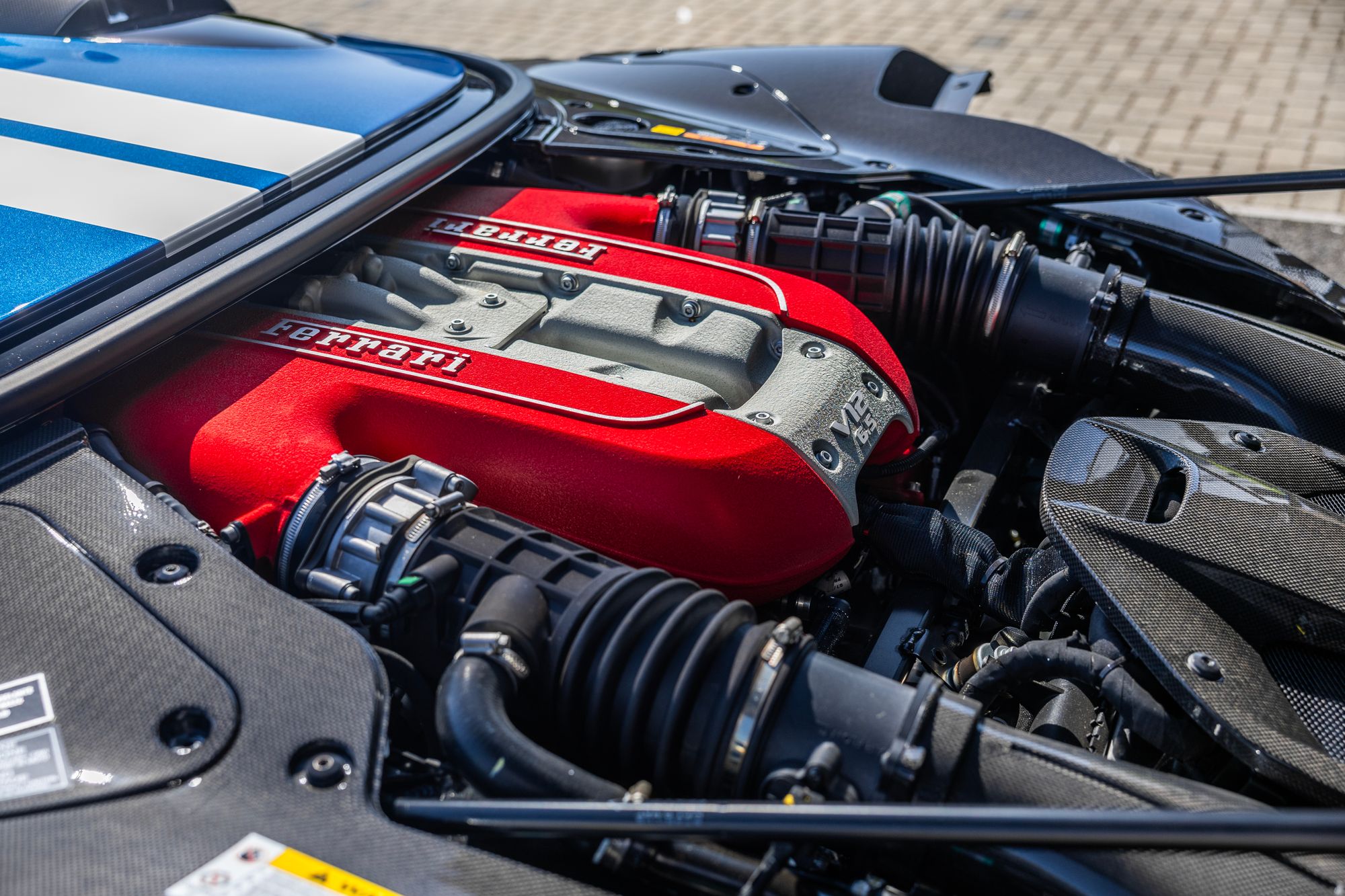
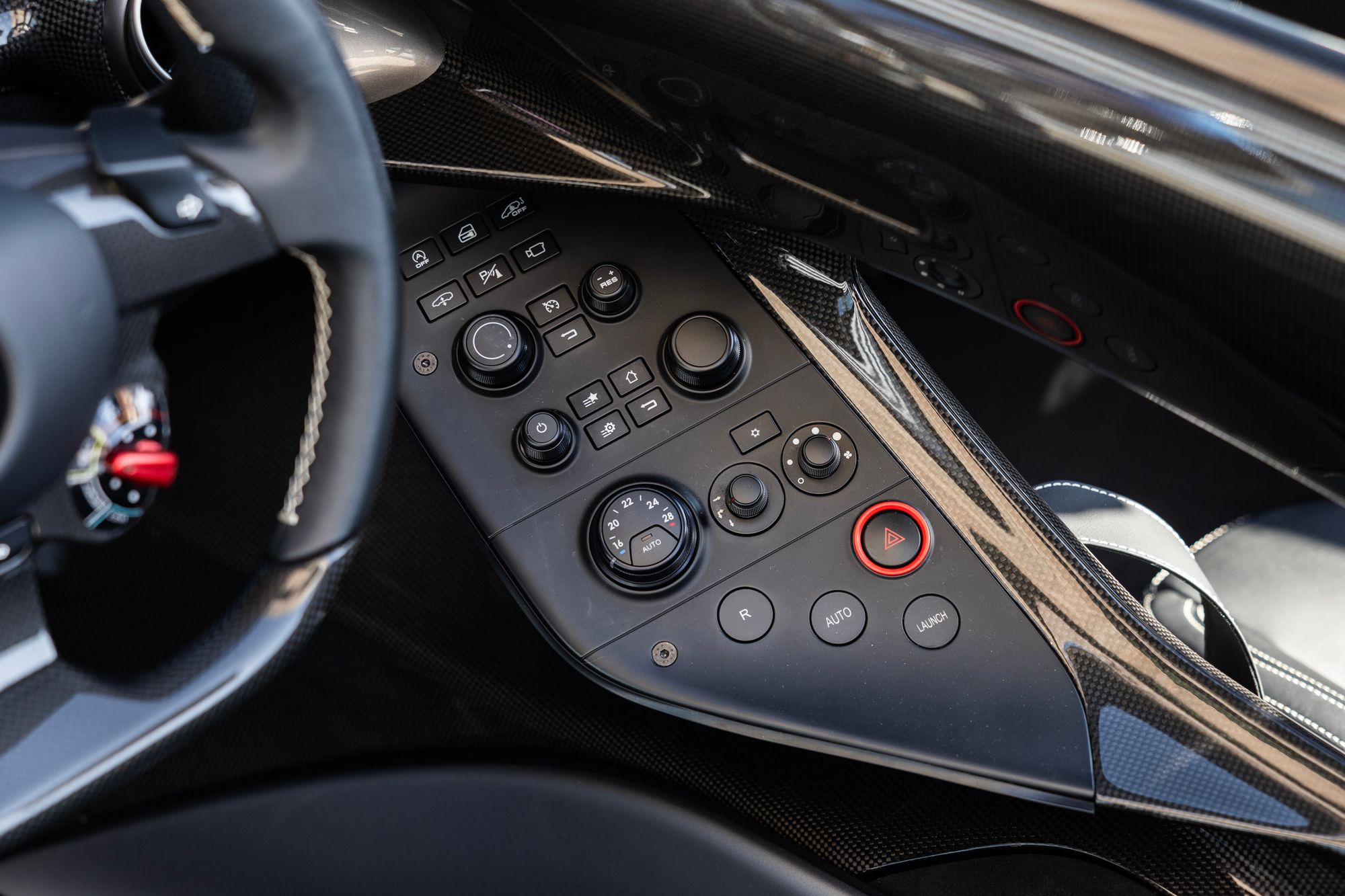
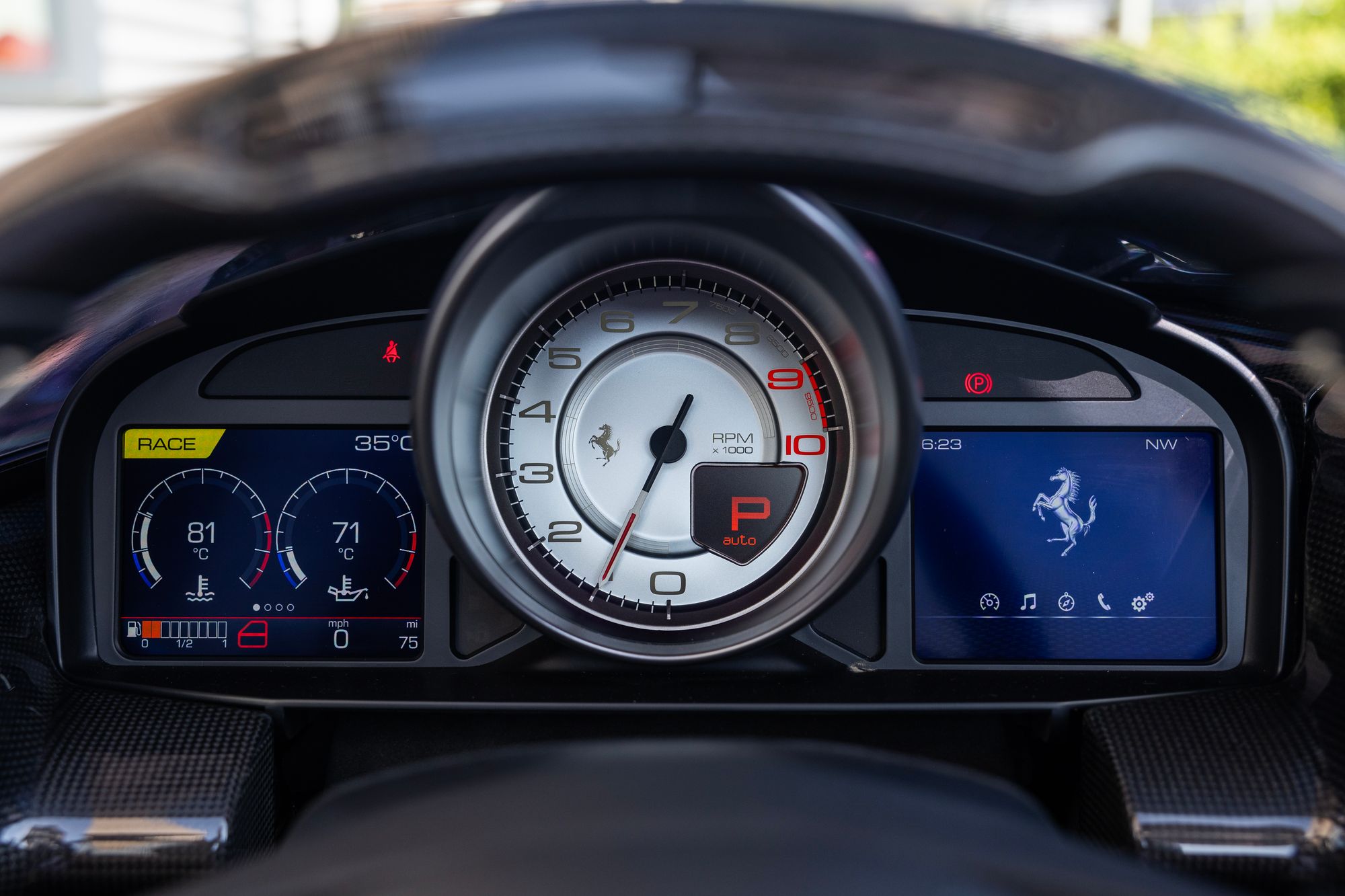
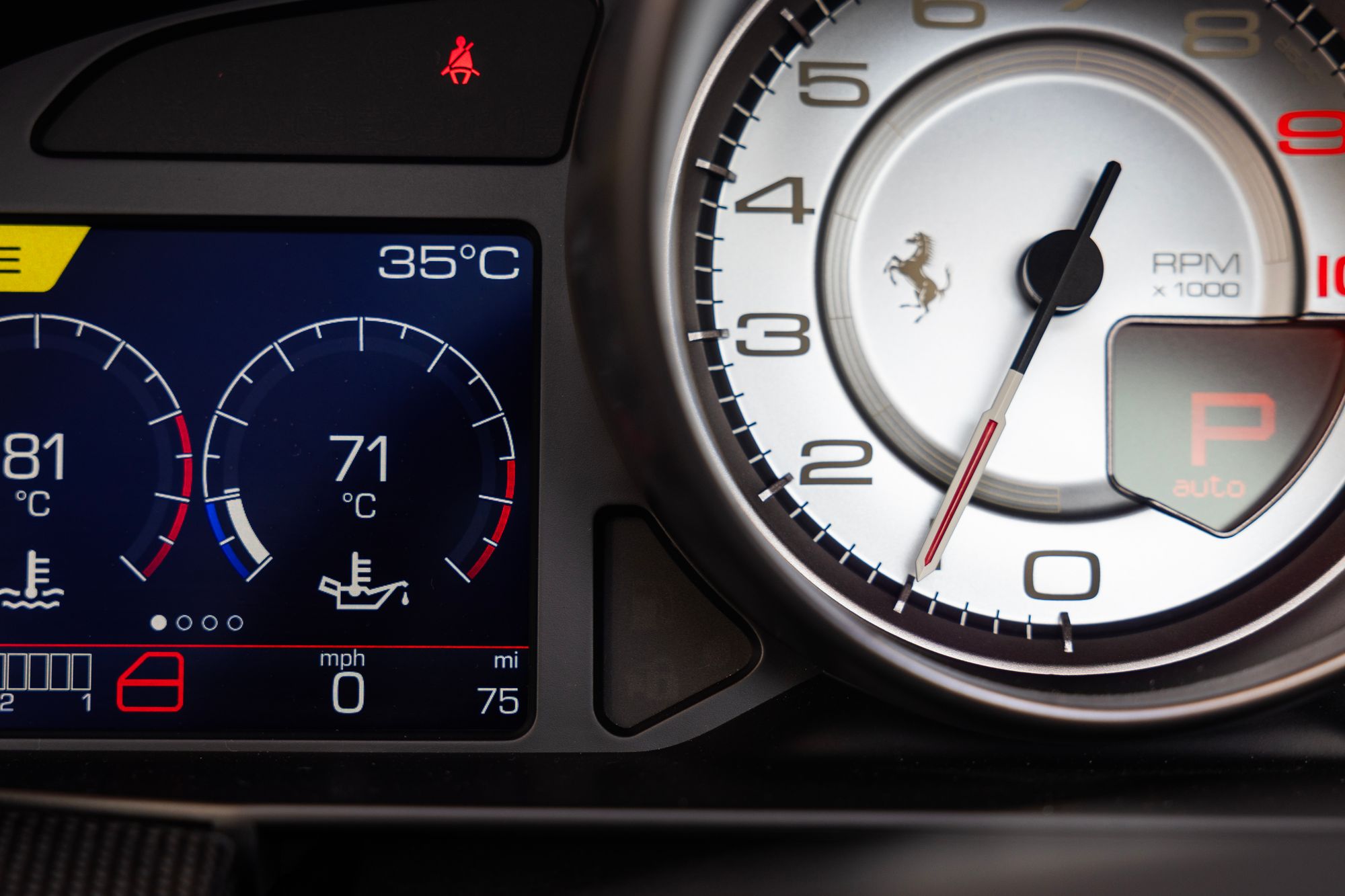
Mechanically, the vehicle houses a front-mid-mounted 6.5-litre naturally aspirated V12 engine, utilising a 65-degree cylinder bank angle and an optimised fluid-dynamics intake system. Generating an astonishing 800 bhp at 8,500 rpm and 530 lb-ft of torque at 7,000 rpm, it delivers a specific power output of 123 bhp per litre and boasts an aggressive 8,900 rpm redline. Power is funneled to the rear wheels via a seven-speed dual-clutch F1 transmission. Performance benchmarks match elite hypercars, launching the vehicle from 0-62 mph in 2.9 seconds, 0-124 mph in a blistering 7.9 seconds, and onward to a top speed exceeding 186 mph, while a massive high-performance carbon-ceramic braking layout yields a 62-0 mph stopping distance of just 32 metres.
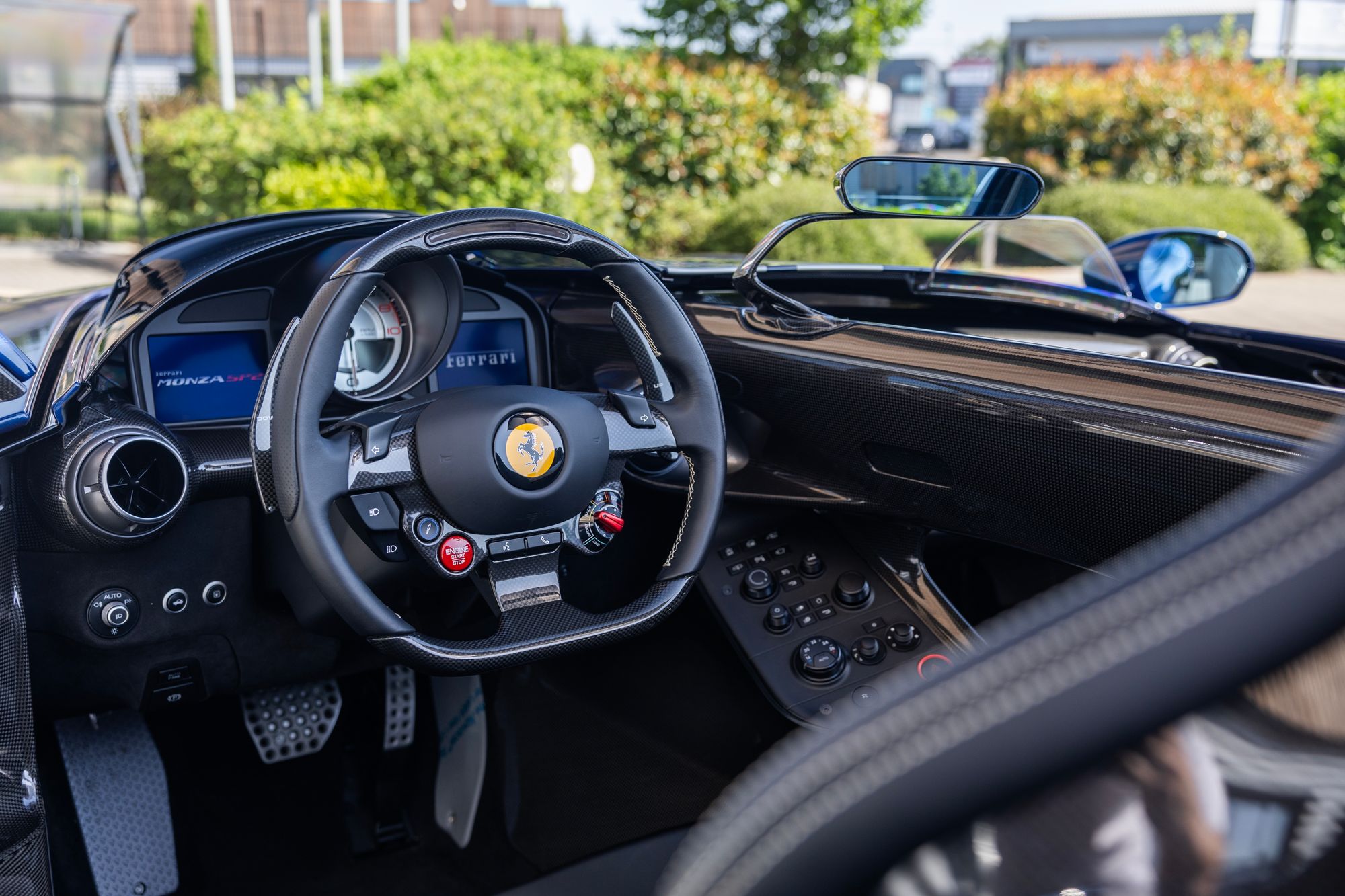
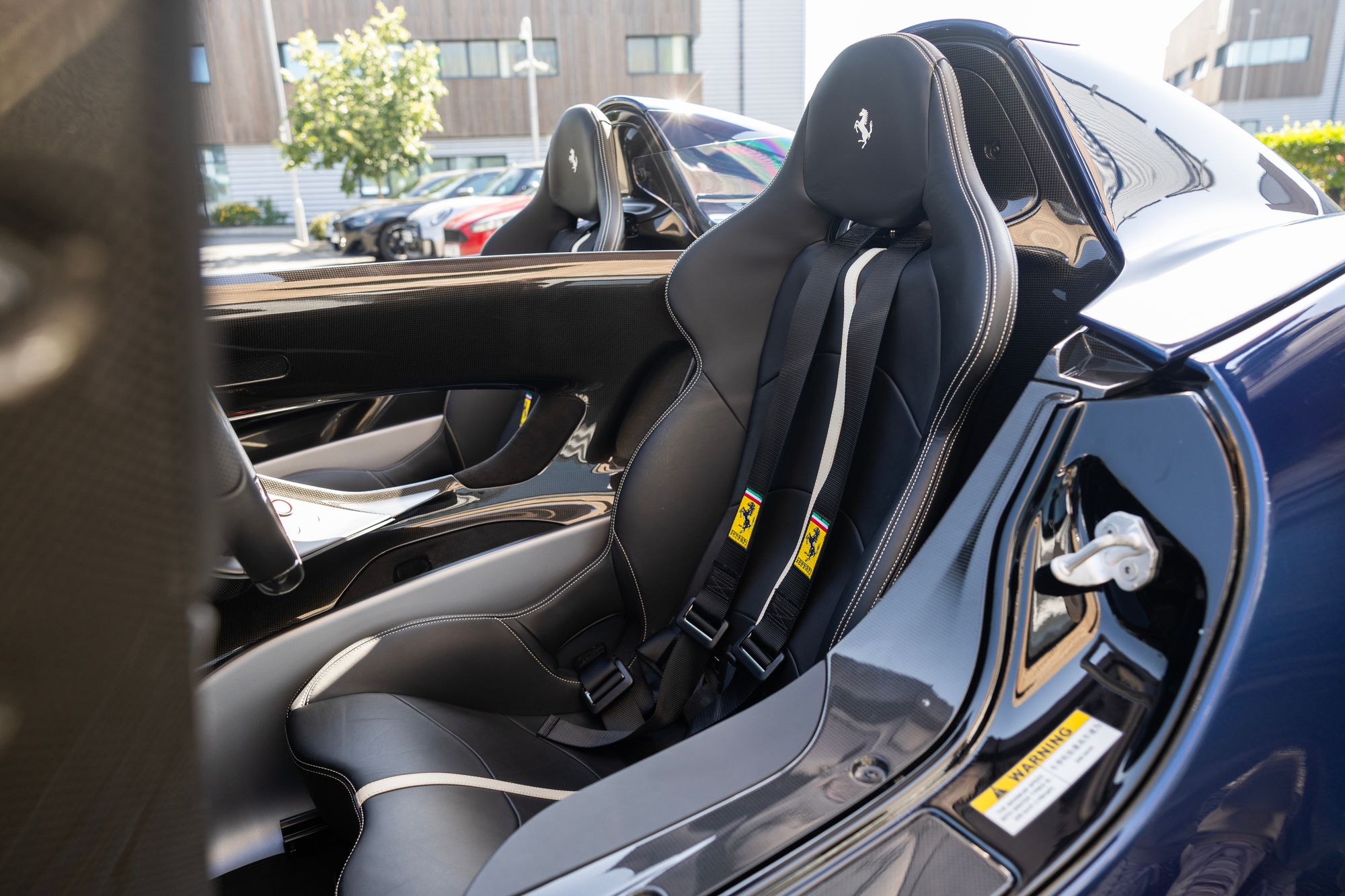
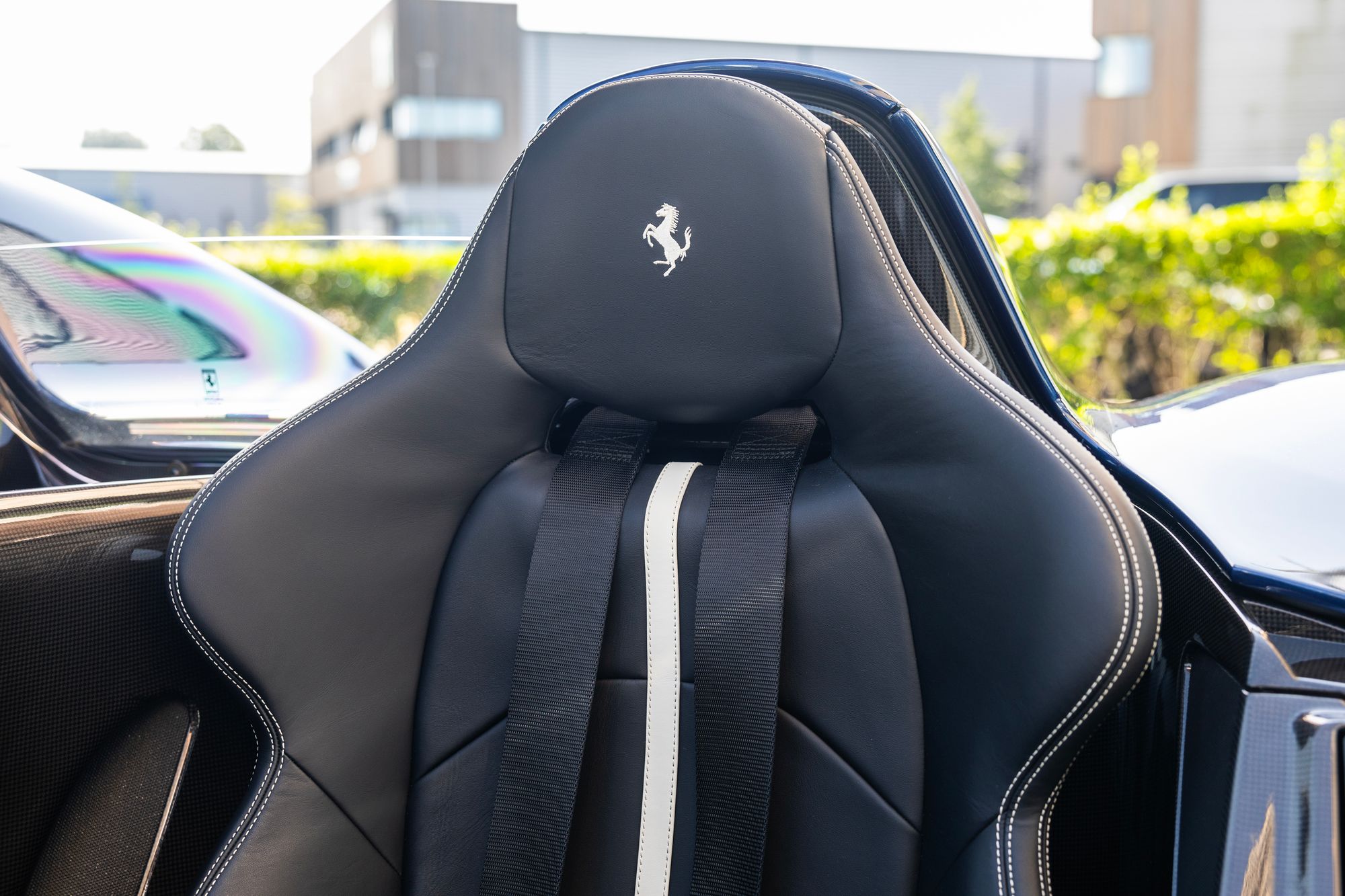
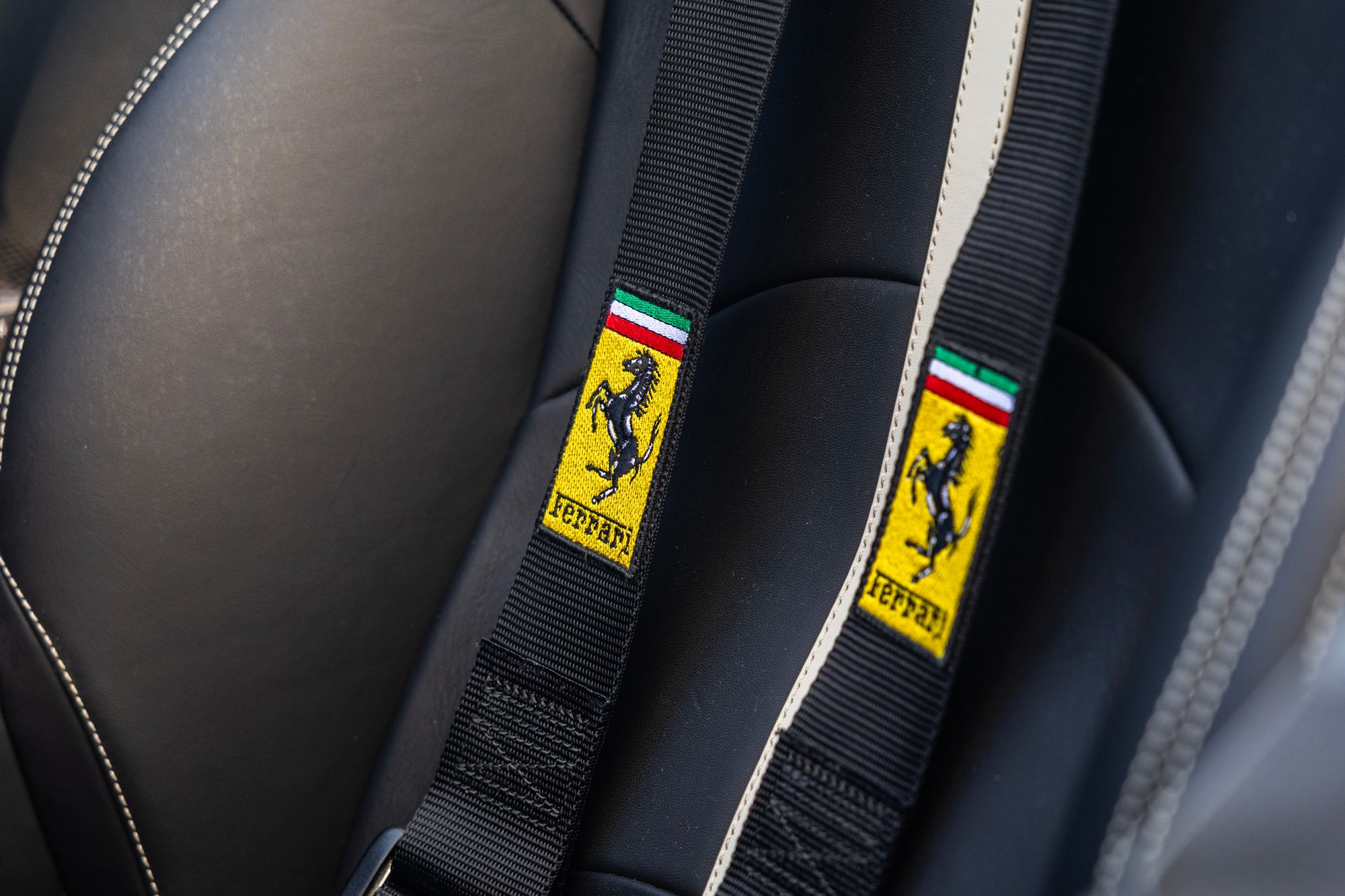
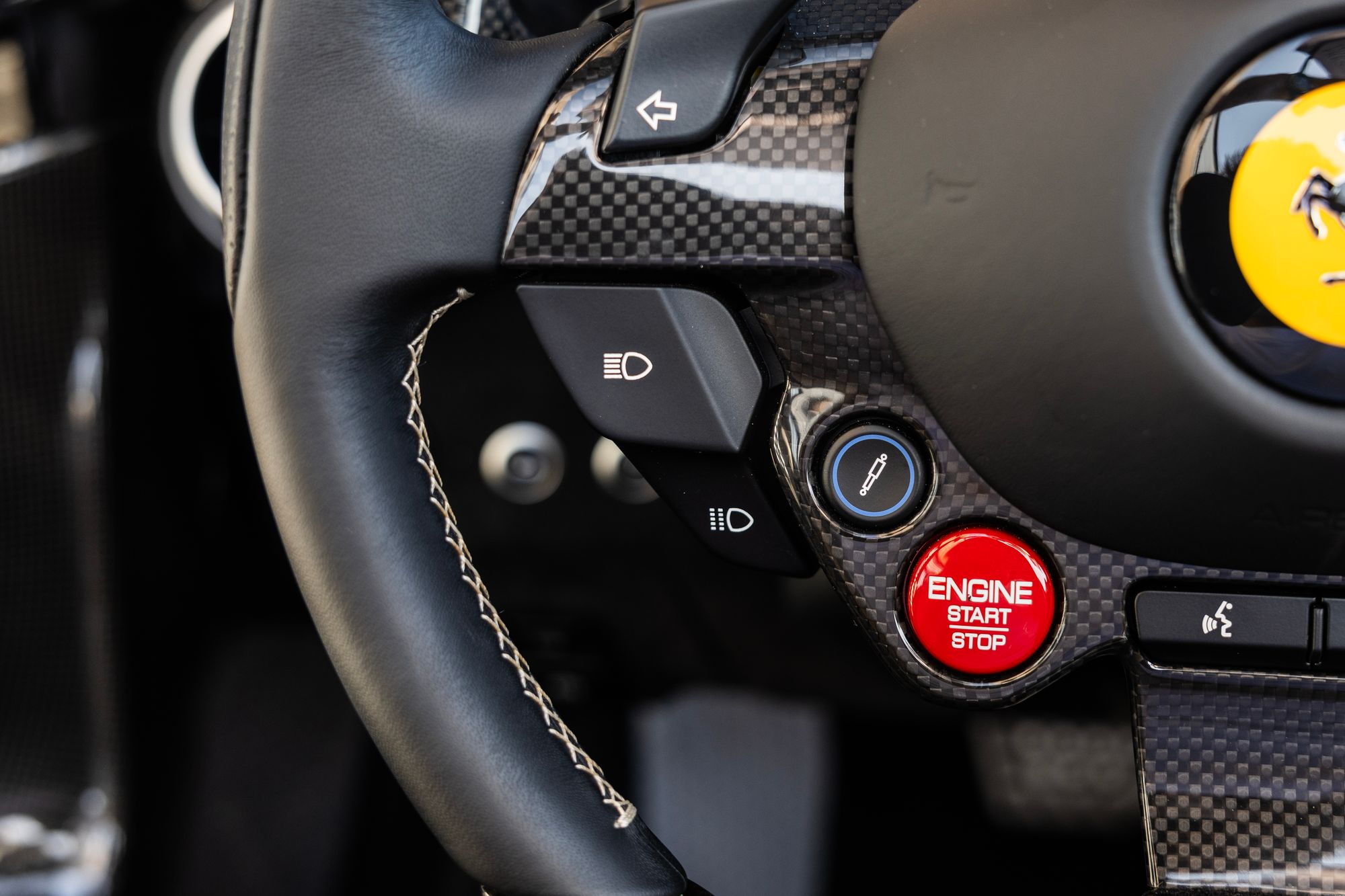
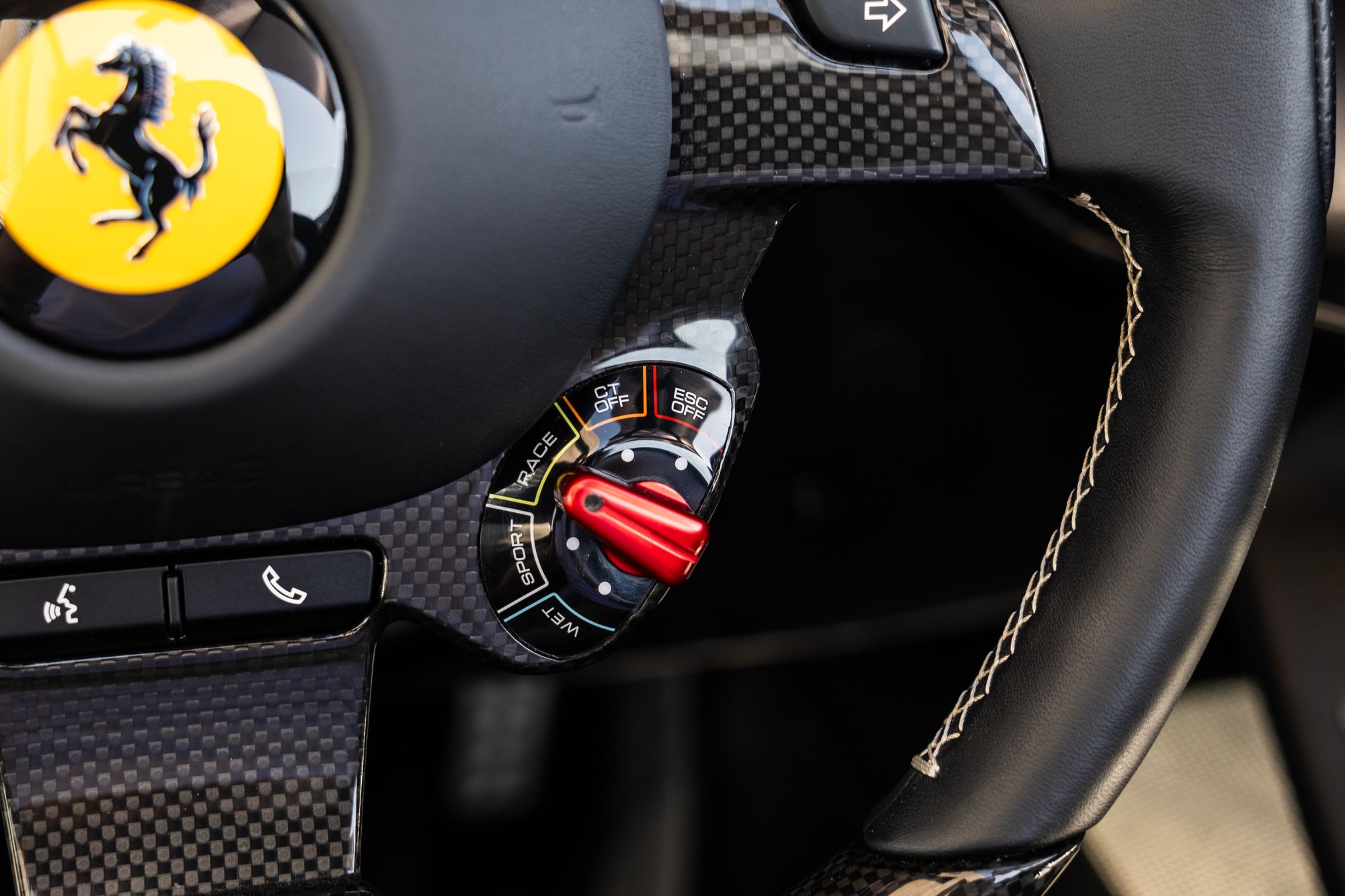
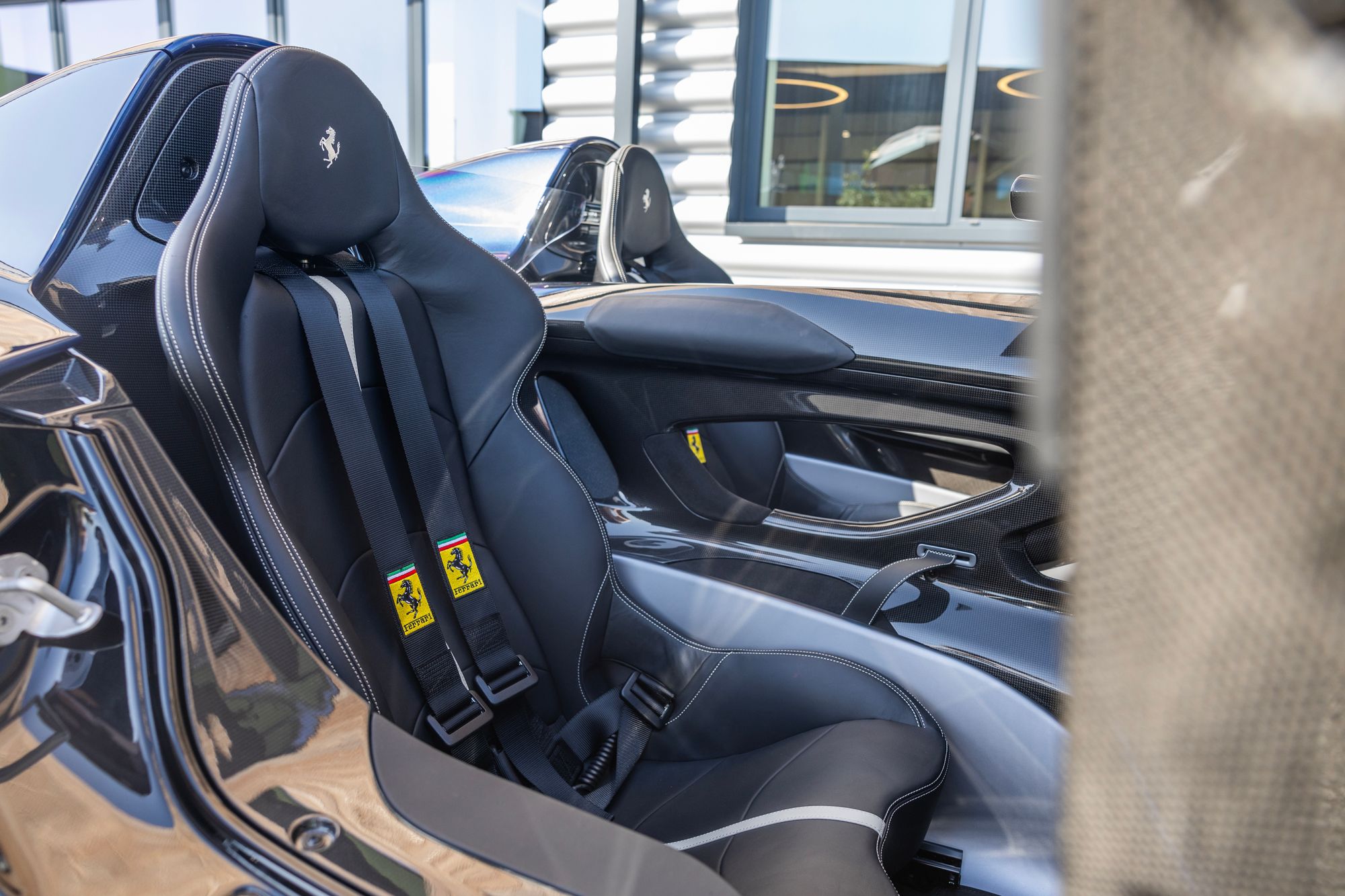
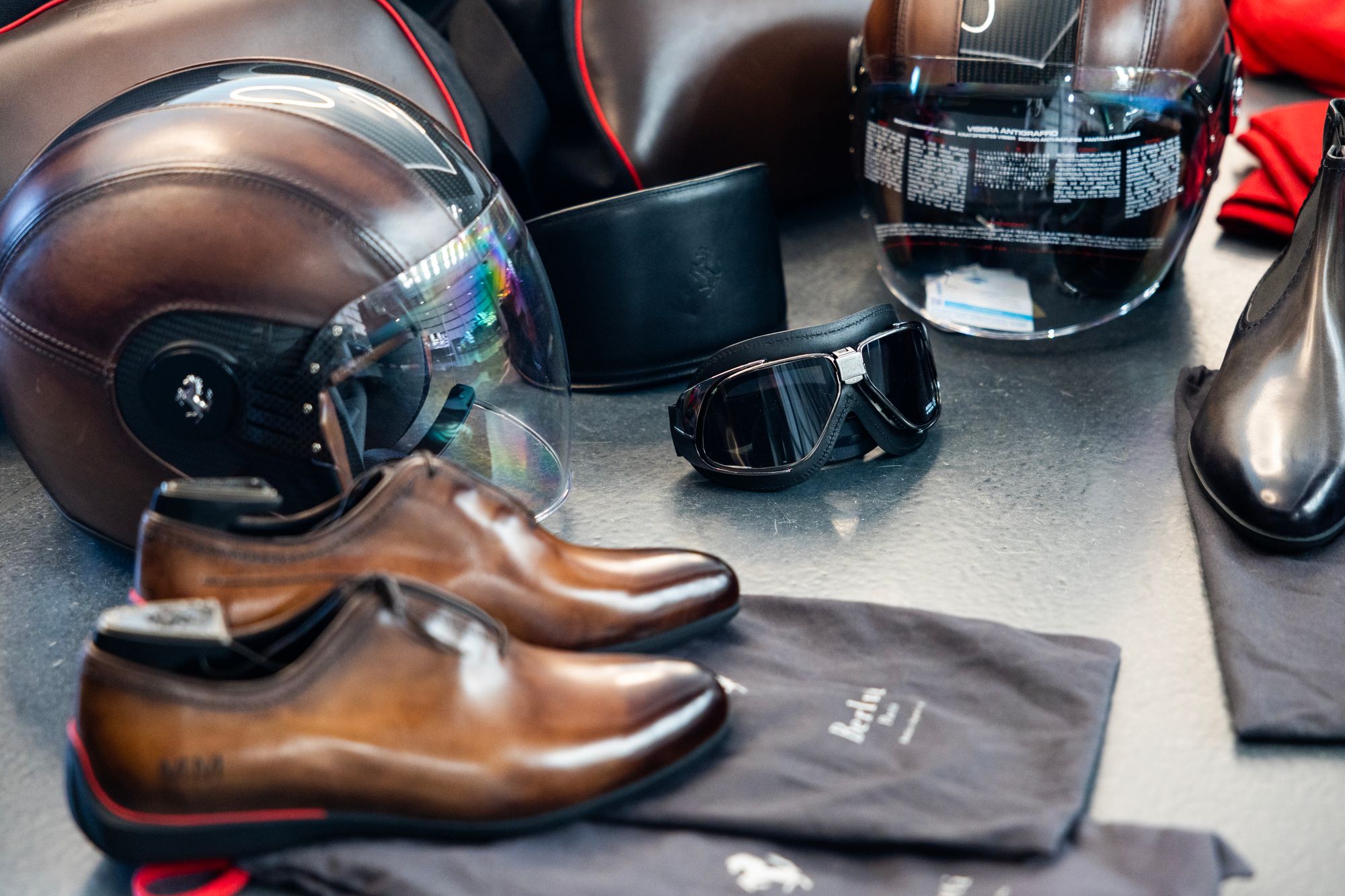
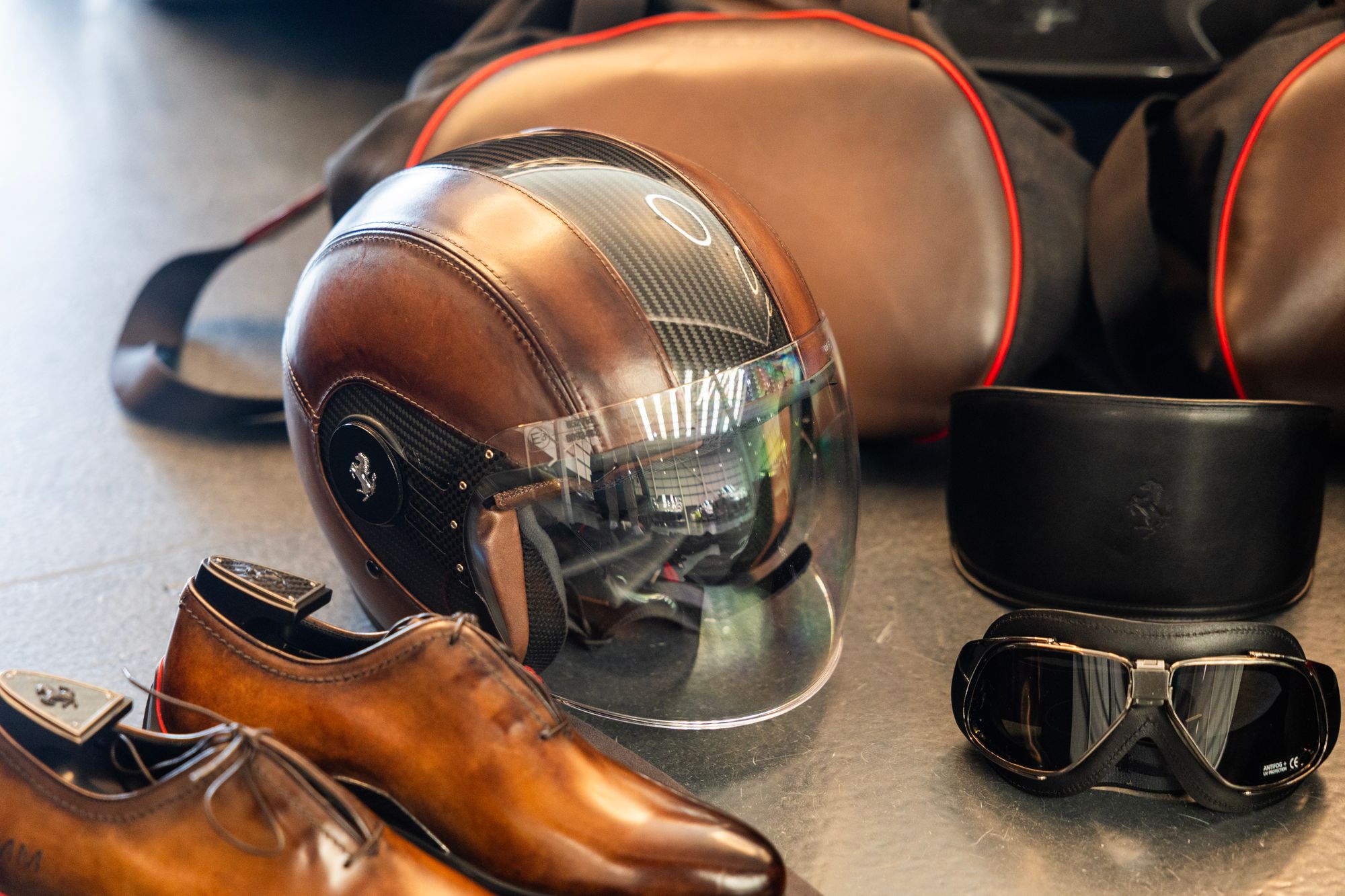
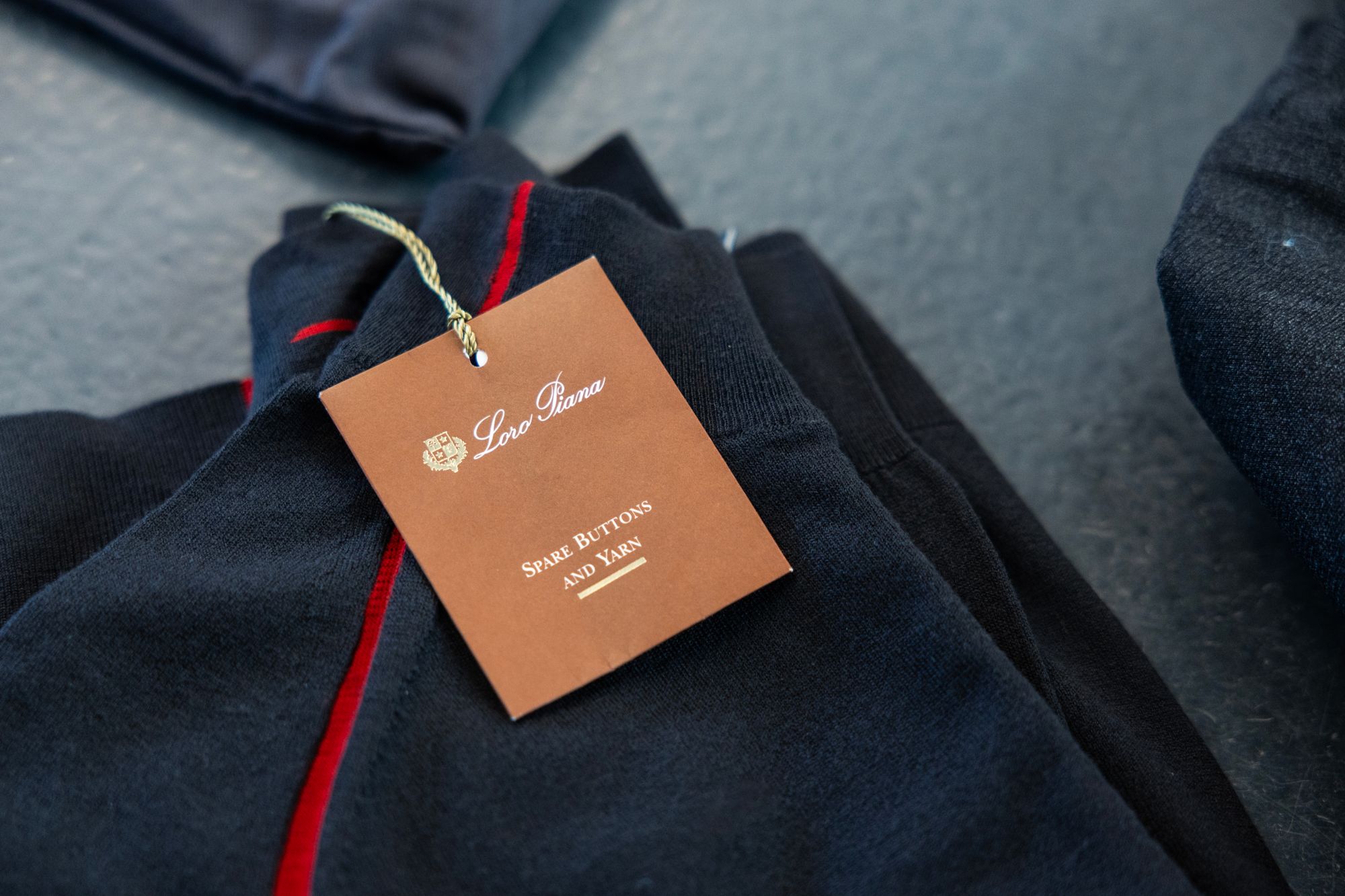
Aerodynamically, driving a roofless car at triple-digit speeds presented substantial engineering challenges, which Ferrari resolved by inventing and patenting the Virtual Wind Shield (VWS). Integrated directly into the fairing ahead of the driver’s instrument cluster, the VWS acts as an aerodynamic air-foil that captures air from the bonnet, compresses it, and ejects it vertically upward ahead of the steering wheel to deflect the main air current over the occupants' heads, leaving a peaceful aerodynamic "bubble" inside the cabin. The stark, functional interior splits the driver and passenger into distinct, deeply recessed leather bucket seats with four-point racing harnesses. Because of the uncompromised open-air design, Ferrari uniquely bundled each vehicle with a custom-tailored driver apparel capsule engineered alongside luxury brands Loro Piana and Berluti. This exclusive kit contains windproof and waterproof merino wool driving overalls, leather driving gloves, carbon-soled Oxford shoes, and matching carbon-fibre helmets featuring custom leather inserts, providing essential utility and completing the car's retro-futuristic, track-inspired ethos.