

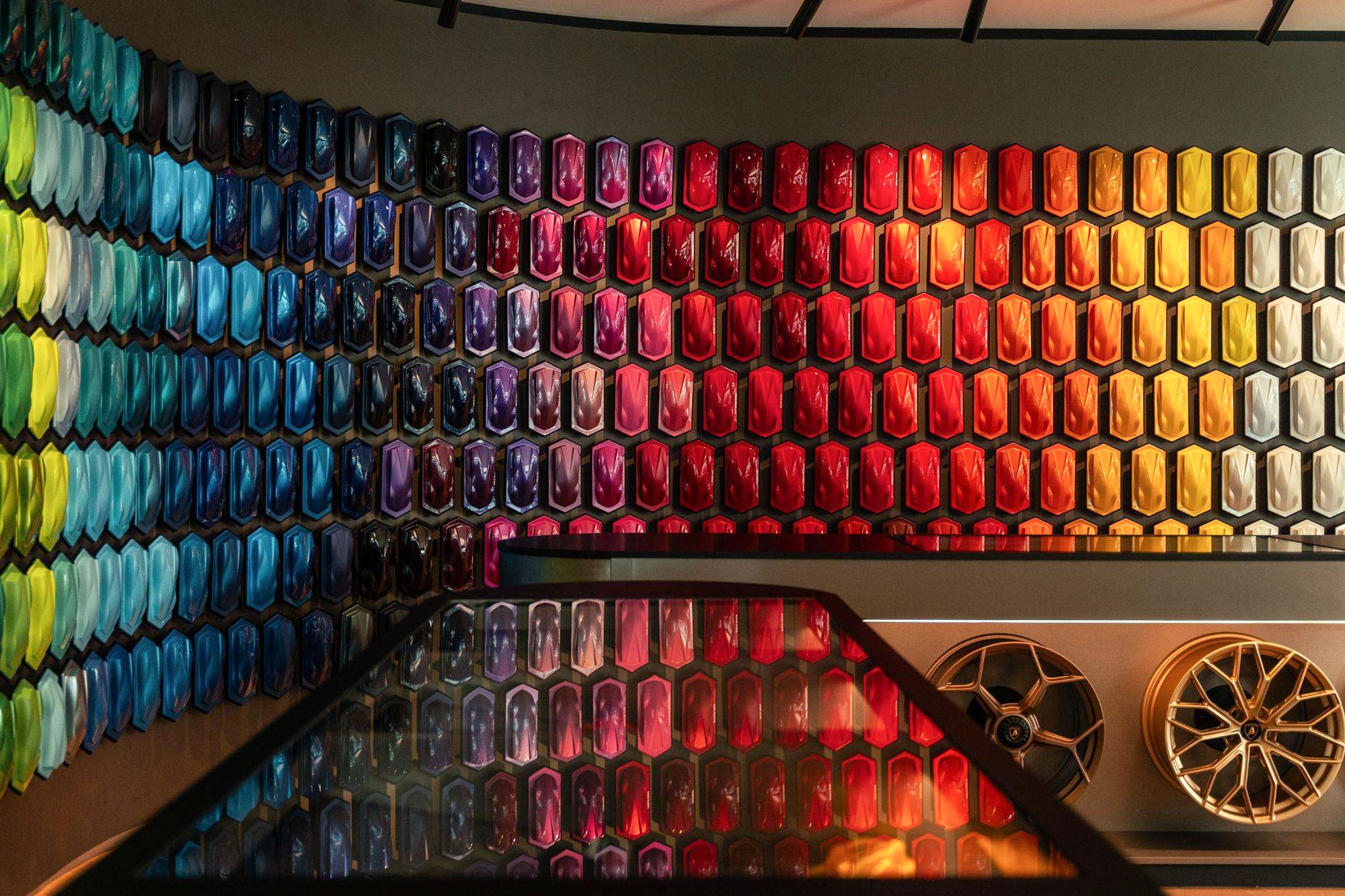
The Art of Bespoke: Inside the World of Supercar Customisation
For the world's most exclusive manufacturers, the options list has evolved into something approaching an art form. Customers can work directly with designers and specialists to select unusual materials, create entirely new colours, commission unique paintwork and, in some cases, develop components that exist on just one car.
A Ferrari can be configured around a particular era of Maranello's history. A Lamborghini can feature a completely bespoke colour and livery. A McLaren can be fitted with carbon-fibre components developed specifically for its owner. A Porsche can become a genuine factory one-off, while Bugatti's Sur Mesure programme can turn a Chiron or Tourbillon into a piece of automotive art.
For collectors, therefore, the specification of a car can be almost as fascinating as the model itself.
But how do these bespoke departments differ, and what actually happens when a customer wants to create something that has never existed before?
McLaren Special Operations (MSO)
Few names are more closely associated with modern supercar personalisation than McLaren Special Operations, better known as MSO.
MSO exists specifically to push McLaren's cars beyond the standard specification. Its current bespoke offering encompasses everything from subtle personalisation to highly complex one-off commissions, with customers able to work with specialists on paint finishes, interior materials, carbon fibre, technical upgrades and unique components.
For a customer commissioning a new McLaren, this can mean far more than simply selecting a colour from a menu.
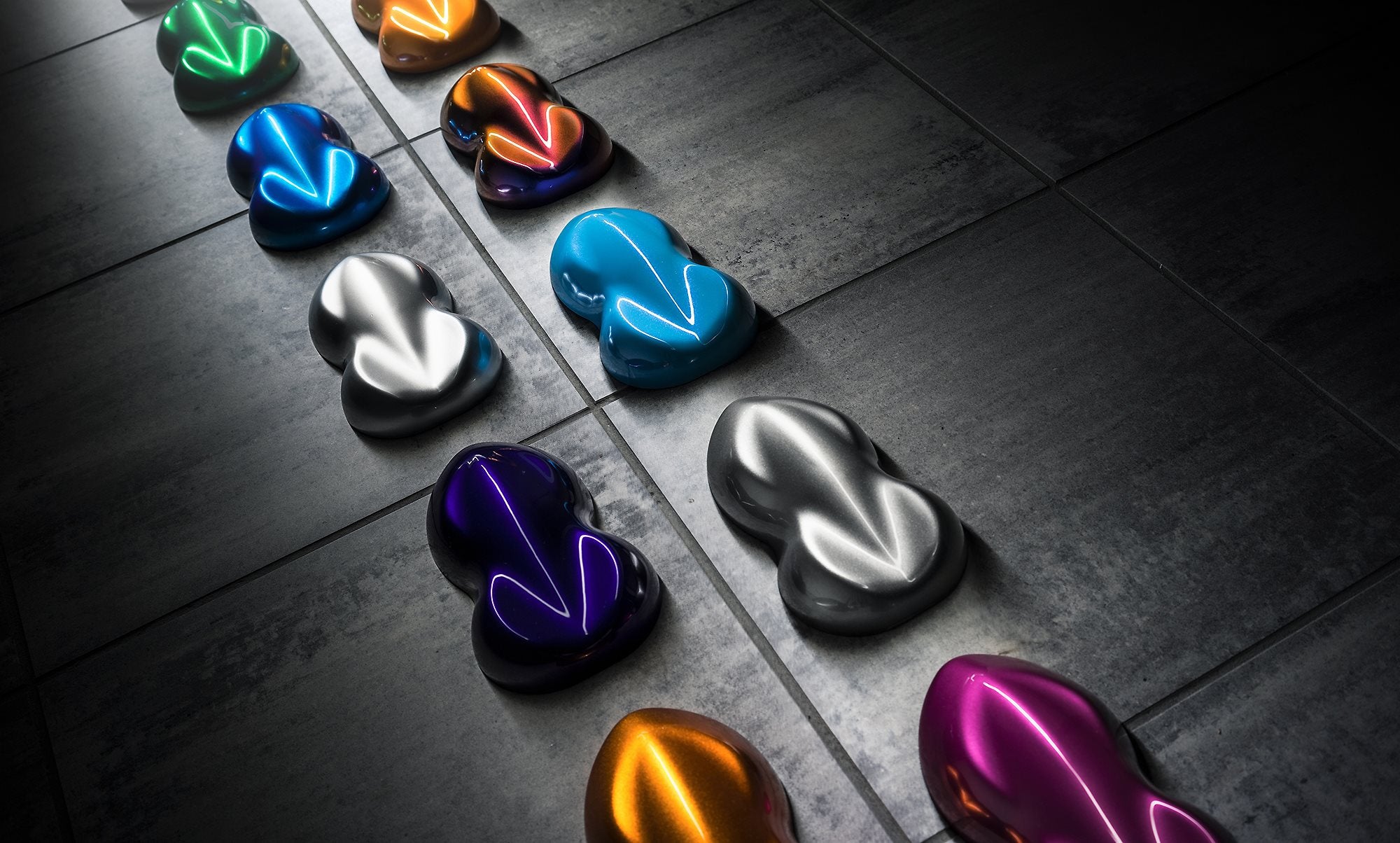
MSO has created bespoke paint shades, colour-shifting finishes, personalised graphics, specially sourced materials and highly individual interiors. Carbon fibre is particularly central to the McLaren philosophy, with bespoke pieces produced in different finishes and configurations to complement an individual car.
At the very top of the spectrum sits the MSO bespoke commissioning process, where a customer can work with McLaren's design team to develop a car around their own vision. Previous commissions have included the McLaren Sabre, an ultra-exclusive model developed for a select group of US customers.
It is this distinction that makes MSO particularly interesting: there is a considerable difference between choosing an MSO option and commissioning something that simply could not be selected from a conventional configurator.
Ferrari Tailor Made
Ferrari approaches personalisation with a philosophy that feels appropriately Italian.
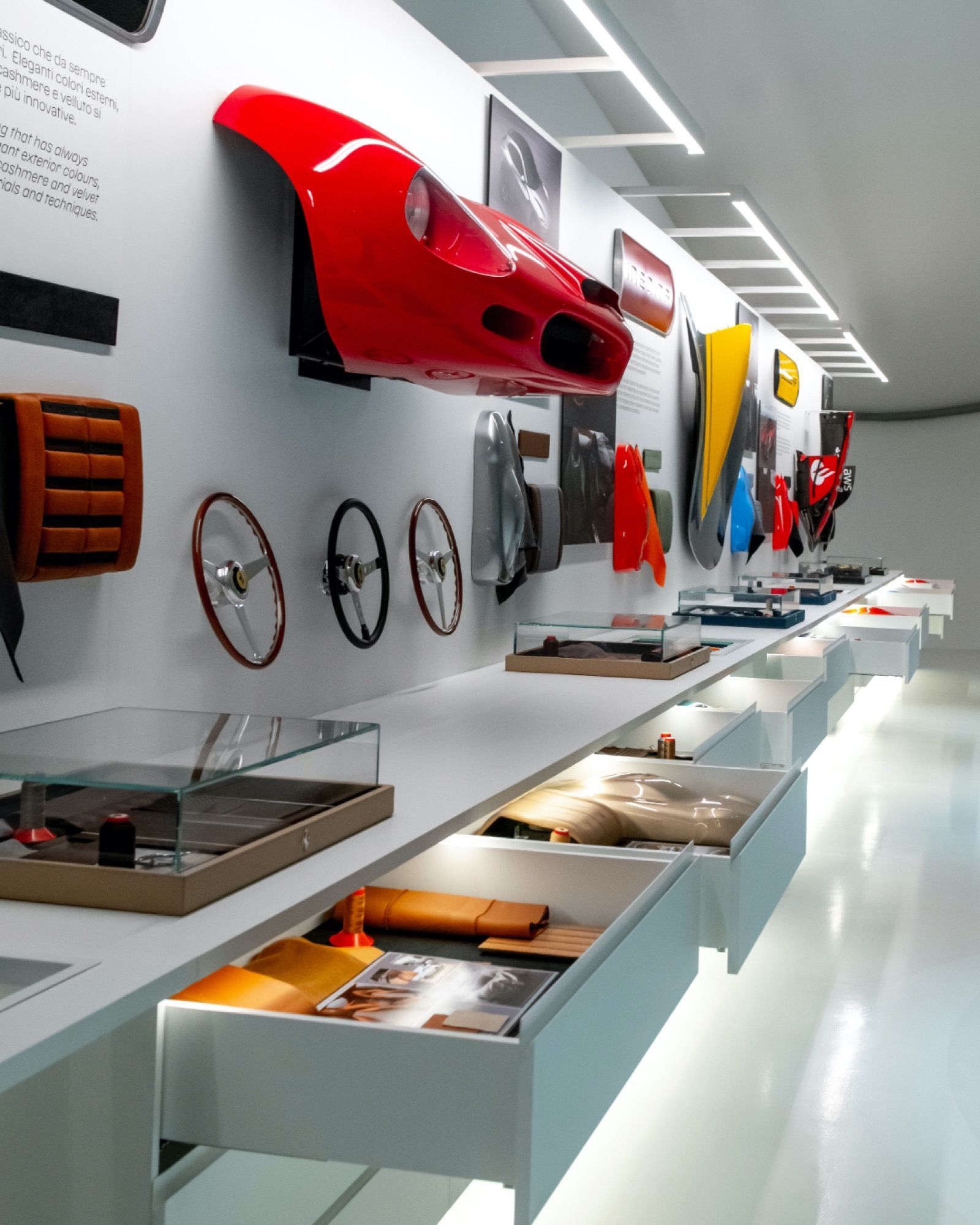
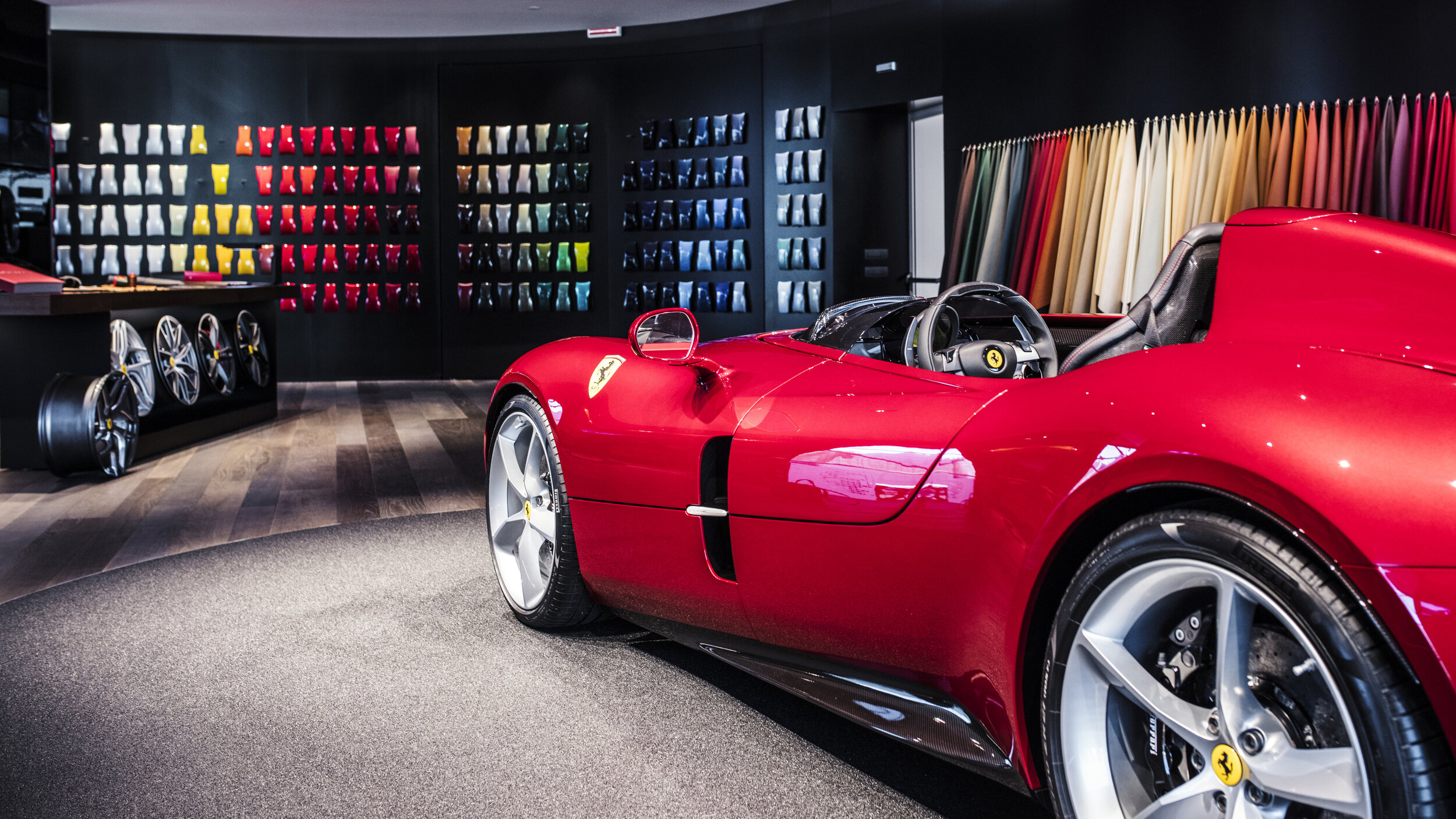
The Ferrari Tailor Made programme goes beyond a conventional options list, allowing customers to work with a Personal Designer from Ferrari's design department and access an extensive catalogue of materials and finishes. Ferrari divides its inspiration into three collections: Scuderia, Classica and Inedita.
Each collection offers a different interpretation of Ferrari's heritage.
Classica draws inspiration from the company's historic GT cars, with colours and materials influenced by Ferrari's past. Vintage-inspired leathers, wool, cashmere and corduroy can be combined with modern manufacturing techniques.
Scuderia takes its cues from Ferrari's racing heritage, while Inedita provides a more contemporary canvas for customers looking to create something distinctly different.
The appeal of Tailor Made is that it encourages customers to think about the entire car as a single design exercise. Exterior paint, wheels, brake callipers, leather, stitching, carpets, carbon fibre and smaller details can all be considered together.
That is particularly important with a Ferrari because some of the most memorable specifications are not necessarily the most extravagant. A subtle historic colour, beautifully chosen interior materials and carefully coordinated detailing can create a car that feels timeless rather than simply expensive.
Lamborghini Ad Personam
If Ferrari's approach is rooted heavily in heritage and tailoring, Lamborghini's Ad Personam programme has a distinctly more expressive character.
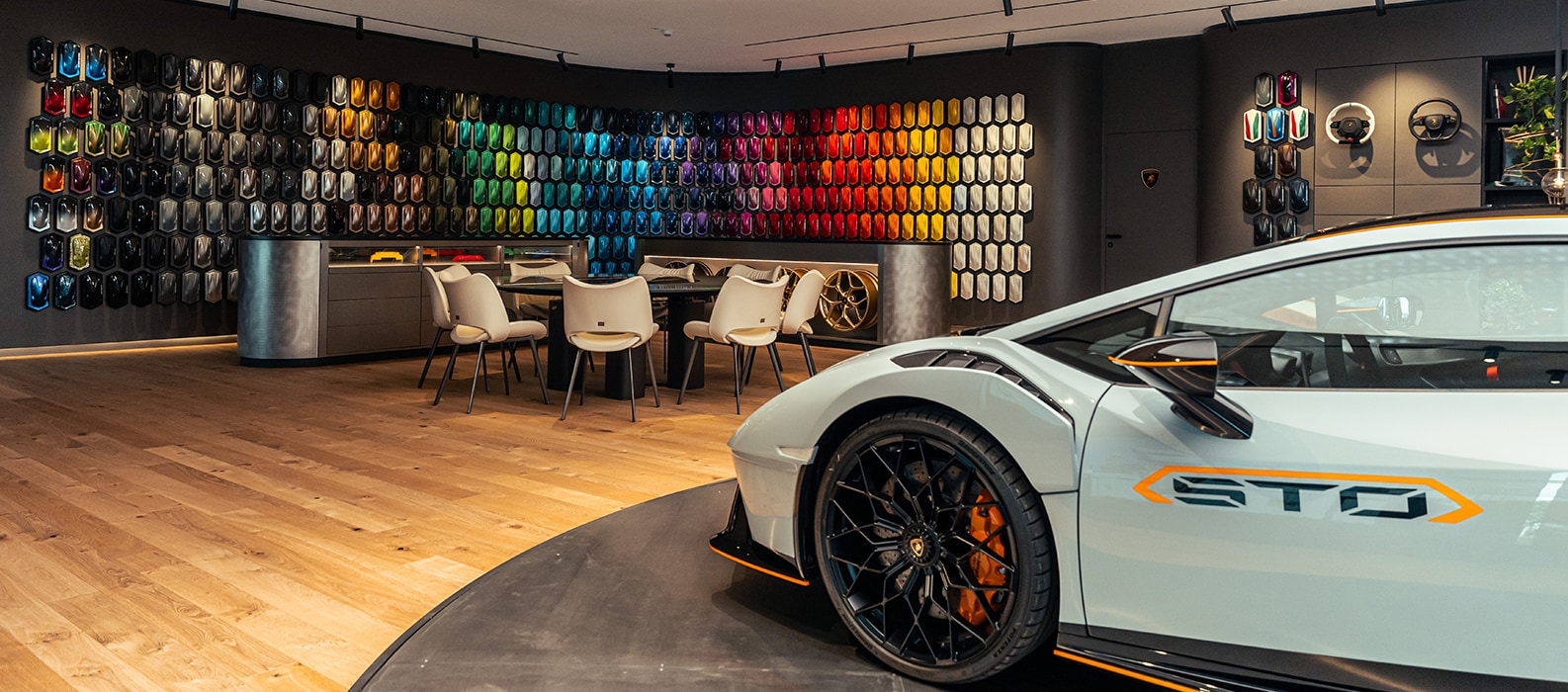
Lamborghini describes Ad Personam as a way for customers to create their own personalised Lamborghini, with extensive possibilities covering exterior colours, finishes, liveries and interior materials. The Ad Personam Studio at Sant'Agata Bolognese gives customers the opportunity to experience materials and finishes in person while working with Lamborghini specialists.
The breadth of the programme is considerable.
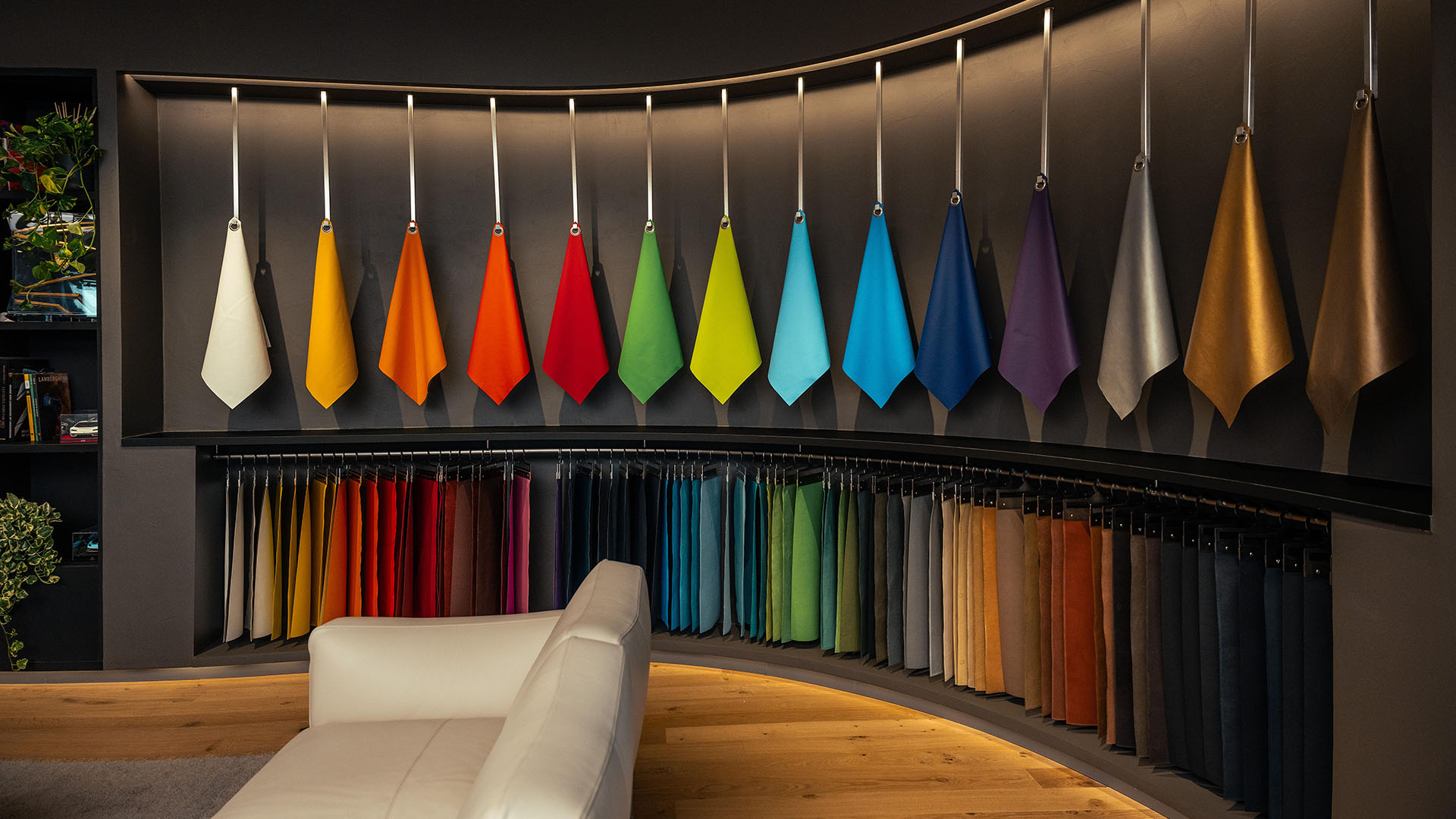
Lamborghini offers unusual paint effects including colour-changing finishes, crystalising effects and fading techniques, alongside fully customisable liveries. Interiors can be specified using leather and technical materials such as Corsa-Tex, with details including contrasting stitching, embroidery and personalised elements.
And this is no longer a niche part of Lamborghini's business.
In 2026, Lamborghini marked 20 years of Ad Personam and stated that 96% of its cars leaving the factory feature at least one personalised detail.
That figure says something important about modern supercars: personalisation has moved from being an unusual indulgence to becoming an integral part of the ownership experience.

Porsche Exclusive Manufaktur and Sonderwunsch
Porsche offers perhaps one of the clearest examples of the different levels of factory personalisation.
At one end is Porsche Exclusive Manufaktur, which provides an enormous catalogue of factory-approved options. These can include special wheels, paint finishes, interior packages, contrasting stitching, leather extensions and numerous smaller details.
Then there is Paint to Sample and Paint to Sample Plus, which expand the possibilities considerably. Porsche states that its Paint to Sample programme now includes more than 190 additional exterior colours, while Paint to Sample Plus allows customers to pursue colours outside the established catalogue following a feasibility study.
But at the other end of the spectrum sits Sonderwunsch.
The German term translates broadly as "special request", and the modern Sonderwunsch programme represents Porsche's highest level of individualisation. It can involve customer-created one-offs developed in collaboration with Porsche's designers, engineers and manufacturing specialists.
Porsche's Factory One-Off projects can go considerably further than changing colours and materials. Body modifications, unique components and technical developments can all form part of a project, subject to feasibility and engineering approval.
The result is a fascinating distinction between a highly specified Porsche and a Porsche that was effectively commissioned.
Two 911s might both have extensive factory options, yet one could have been created through a bespoke Sonderwunsch project around a customer's individual concept.
Bugatti Sur Mesure
When discussing bespoke hypercars, however, the scale changes again.
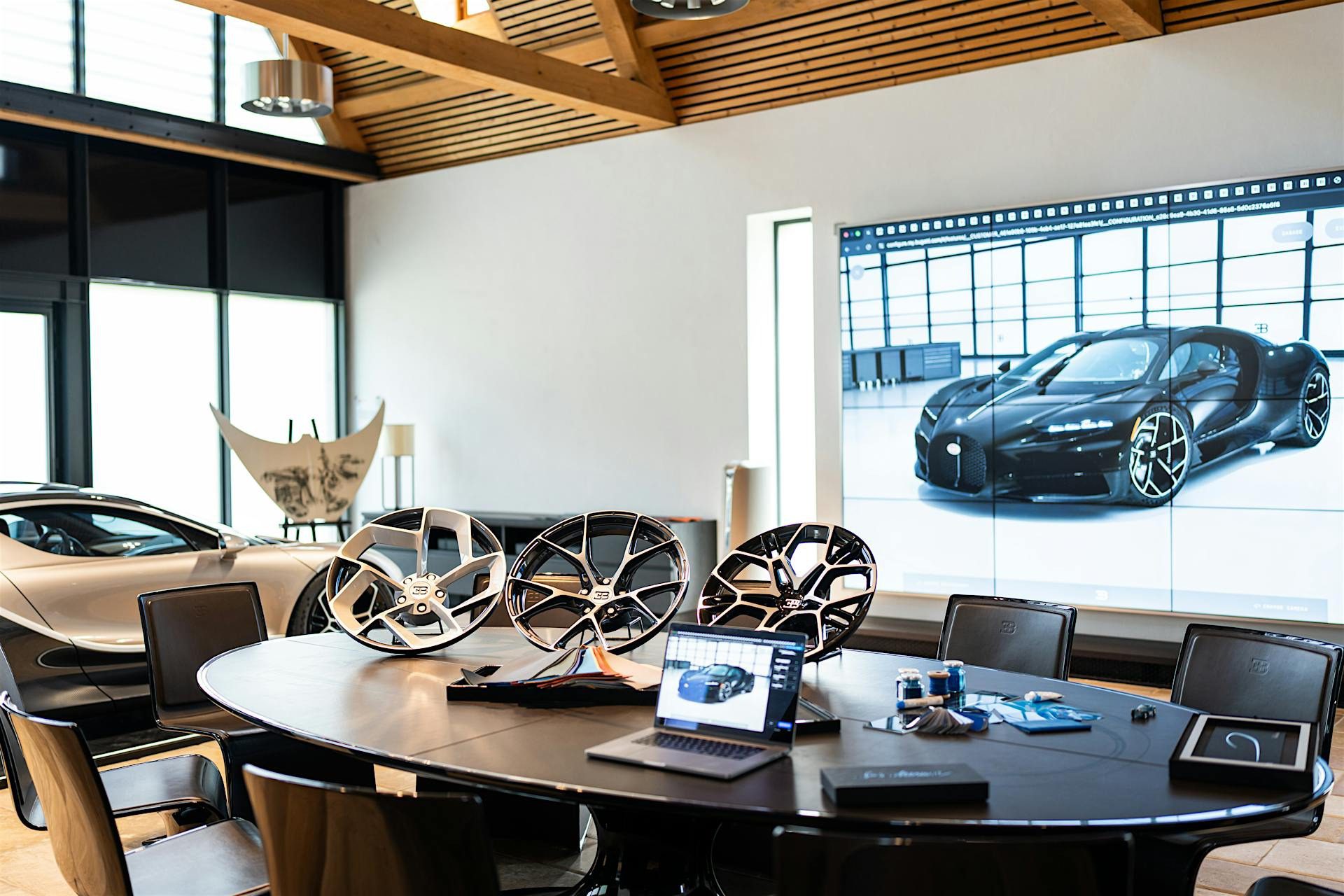
Bugatti's Sur Mesure programme was formally introduced in 2021 as the marque's dedicated personalisation programme. The name itself means "tailored", and the concept draws heavily upon Bugatti's heritage of craftsmanship, coachbuilding, handcrafted interiors, paint finishes and bodywork.
Bugatti's approach can involve an extraordinary level of detail.
The company has created hand-painted motifs, unique exterior colours, bespoke embroidery and specially developed interior elements. One Chiron commission, for example, incorporated an elaborate painted pattern that required new techniques and more than three weeks of hand painting. Another famous project, the Divo "Lady Bug", involved an intricate geometric fading pattern that took 18 months to develop.
More recently, Bugatti has described the Sur Mesure process as a collaboration between the customer and the Molsheim team, with individual requests assessed for feasibility by the brand's design and engineering departments.
At this level, the word "option" almost begins to feel inadequate.
A customer isn't simply selecting something from a list. They are contributing to the design of an individual car.
Aston Martin Q
Aston Martin takes a similarly bespoke approach through Q by Aston Martin.
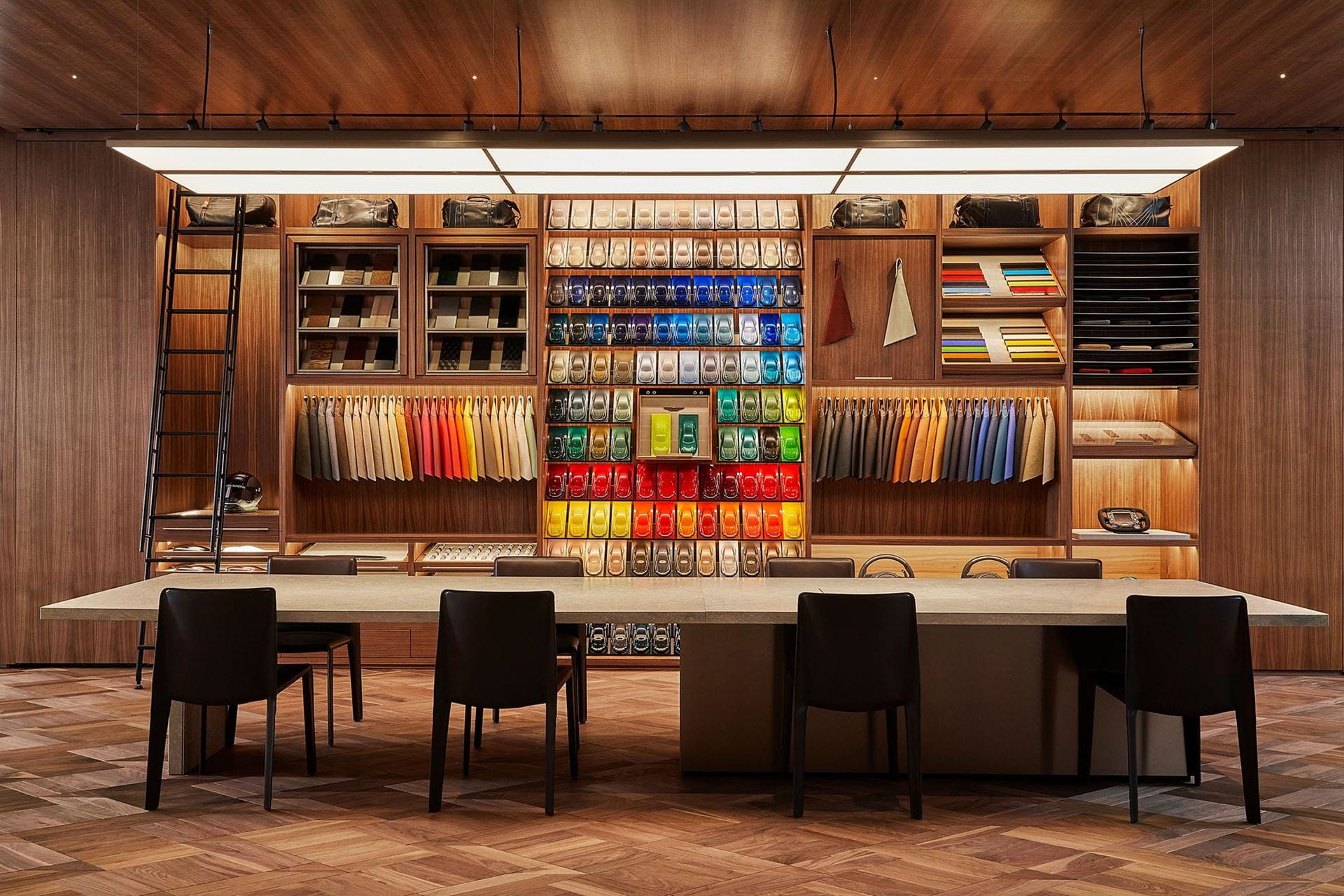
The Q name encompasses personalisation and bespoke commissions, allowing customers to explore distinctive colours, materials, finishes and design details. At the highest level, Q can also create highly limited or unique cars.
A recent example came at Monterey Car Week in 2026, where Aston Martin presented three individual DB12 S models created by Q to celebrate the racing heritage of the Pebble Beach Concours d'Elegance.
It is another illustration of the modern luxury-car industry's move towards something closer to coachbuilding: the manufacturer is no longer simply producing a model and allowing customers to choose from a catalogue. It is increasingly collaborating with individual customers to create cars with their own stories.

Bentley Mulliner
If there is one manufacturer whose history makes this evolution particularly natural, it is Bentley.
Mulliner's roots stretch back to the era of traditional coachbuilding, long before the modern luxury car industry existed. Today, Bentley describes Mulliner as its personal commissioning division, with three broad levels of personalisation.
Curated by Mulliner provides a selection of specially chosen colours, materials and features.
Bespoke by Mulliner takes the customer into a much more personalised process, working directly with the Mulliner design team.
Then there is Coachbuilt by Mulliner — the ultimate expression of Bentley personalisation, where highly exclusive one-off or limited-series vehicles can be created.
This is perhaps the clearest modern connection between traditional coachbuilding and the contemporary supercar.
The technology has changed dramatically. The principle has not.
A customer approaches a manufacturer with a vision, and a team of designers and craftsmen turns that vision into a physical object.
So, what actually makes a specification special?
With so many possibilities available, it is tempting to assume that the most expensive specification must also be the most desirable.
That isn't necessarily the case.
The most compelling specifications are often those where every element has been considered together.
A rare colour is interesting. A rare colour paired with the right wheels, an appropriately specified interior and subtle contrasting details can be considerably more compelling.
There is also the question of provenance.
A factory-original bespoke specification carries a different story from a car that has subsequently been modified. Documentation, original build records and evidence of the manufacturer's involvement can therefore become particularly important when assessing an exceptionally specified car.
For collectors, rarity can also work in several different ways.
A car may be rare because very few examples were produced. Another might be rare because very few customers chose a particular combination of colours and materials. A third could be genuinely unique because it was commissioned as a one-off.
And sometimes the most interesting specification is simply the one that suits the car perfectly.
From options list to automotive art
The rise of automotive ateliers such as MSO, Tailor Made, Ad Personam & Sonderwunsch, represents something bigger than an increasingly complicated options list.
It reflects a fundamental change in the way the world's most exclusive cars are created.
The modern supercar can be a technical masterpiece before the customer has specified a single option. But through these bespoke programmes, it can become something much more personal: a reflection of its owner's taste, interests and imagination.
For manufacturers, this creates an opportunity to combine engineering with craftsmanship.
For collectors, it creates another layer of fascination.
And for the cars themselves, it means that the question is no longer simply which model did you buy?
It can be:
What did you create?
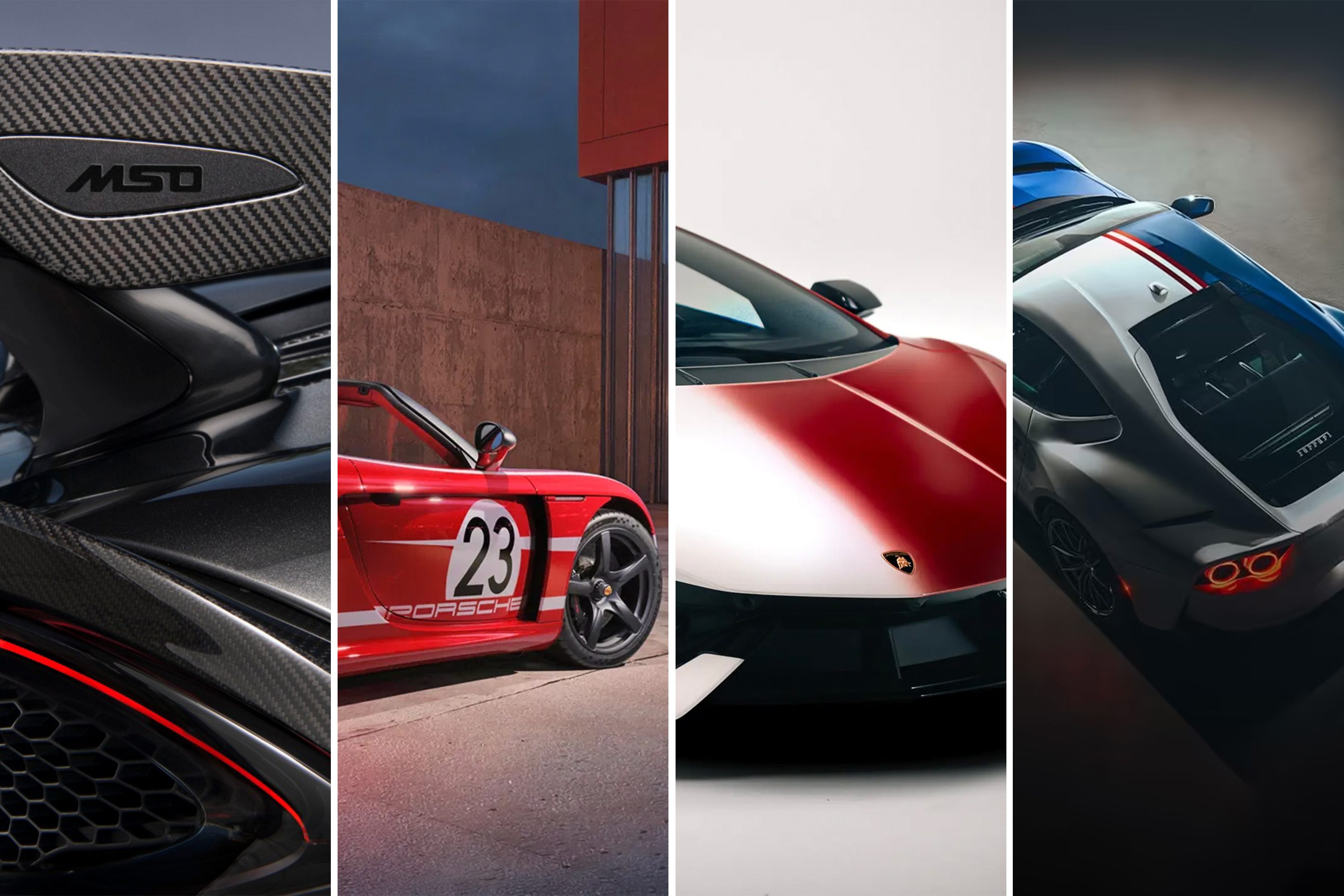
At European Prestige, we regularly see the difference that a truly considered specification can make. From unusual factory colours and extensive carbon-fibre options to bespoke interiors and highly individual details, the finest examples are often those where the specification tells its own story.
In a market where performance figures can increasingly become difficult to distinguish from one another, individuality has become one of the most valuable commodities of all.
I’ve kept the manufacturer claims grounded in current official material, while making the article read as an EP editorial rather than a manufacturer press release. The strongest accompanying imagery would be one hero bespoke car followed by close-up detail shots — paint, carbon, stitching, plaques, wheels and interior materials — to reinforce the idea that the specification is the story.