


McLaren McL 6GT: Bruce McLaren’s Unfinished Dream Returns
There are new supercars, and then there are cars that feel like they have been waiting decades to arrive. Revealed at Monterey Car Week, the new McLaren McL 6GT is very much the latter.
At first glance, it appears to be a radical departure from McLaren’s contemporary design language. Look closer, however, and the story becomes considerably more significant. The McL 6GT is the modern interpretation of a dream that began with McLaren founder Bruce McLaren in the late 1960s: to build a road-going sports car that could bring the sensations and engineering philosophy of his racing machines to the road.

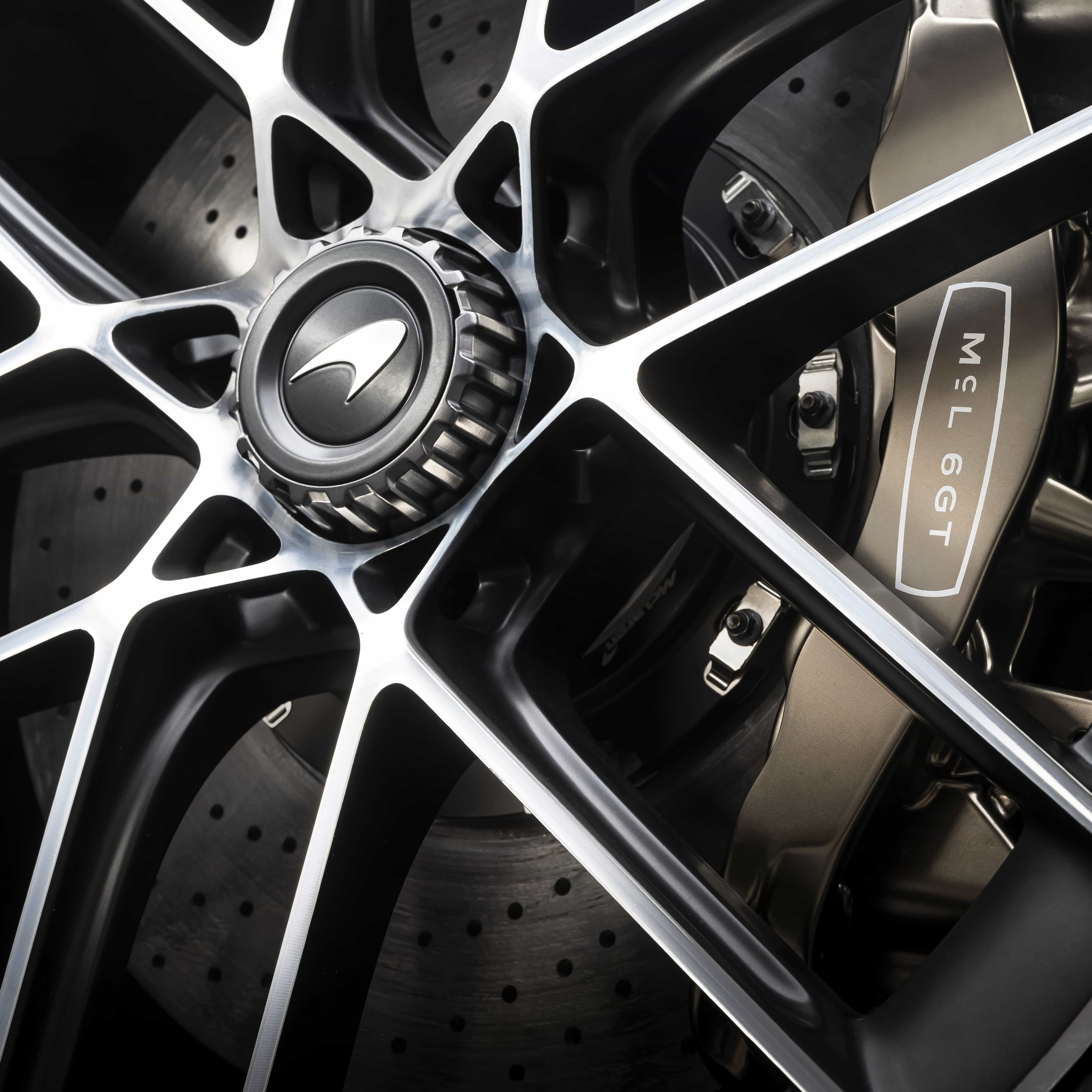
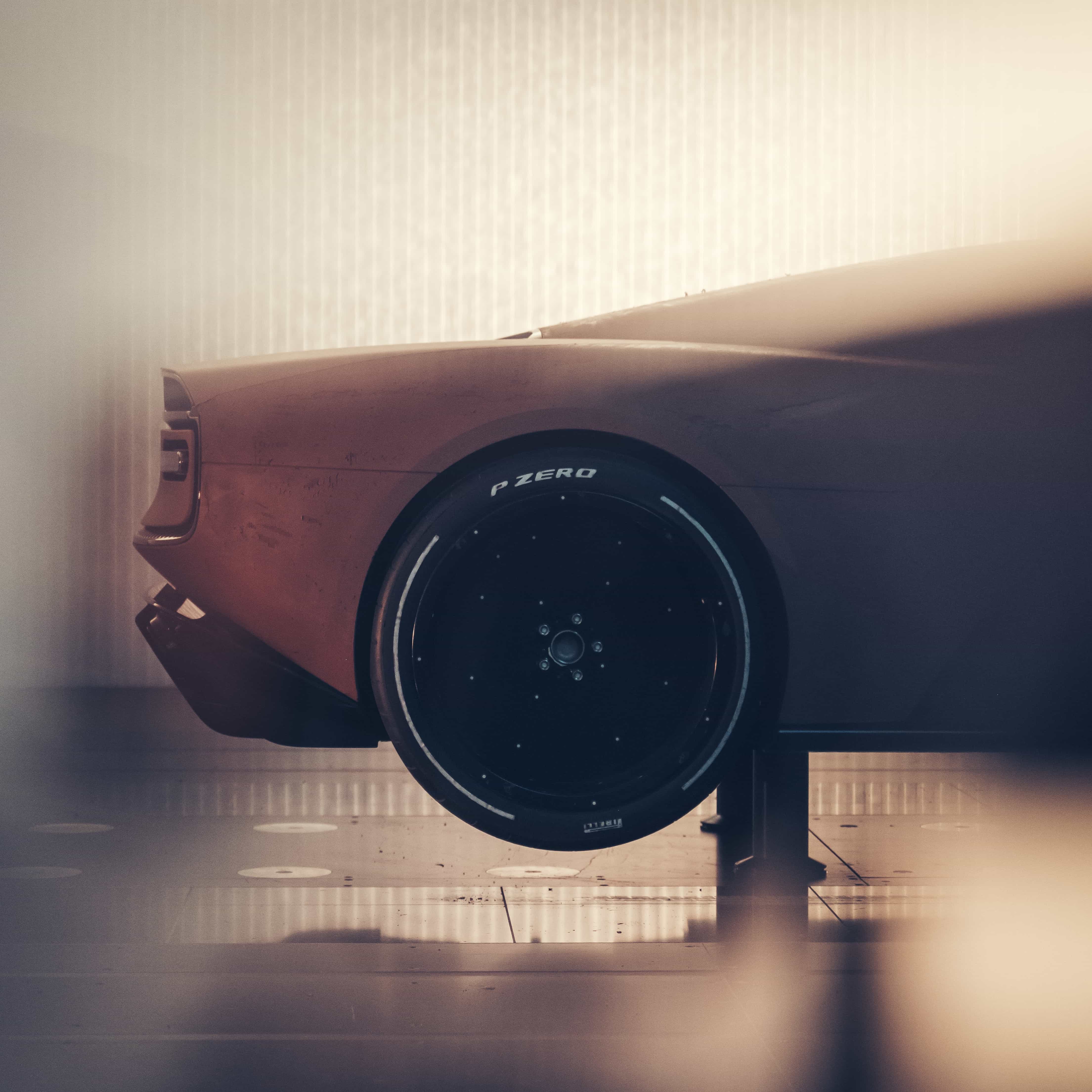
That original car was the M6GT, developed from the M6A Can-Am racer. Bruce McLaren envisioned producing a limited run of road cars, but his untimely death in 1970 meant the project never reached its intended conclusion. More than half a century later, McLaren has finally picked up where its founder left off.
And remarkably, it has resisted the temptation to simply create another technologically dominant supercar.
Instead, the McL 6GT is about something increasingly rare: connection.
McLaren describes the car as “tactile, analogue and deeply mechanical”, and the specification makes that philosophy immediately apparent. Beneath its low-slung carbon-fibre body sits a V8 internal-combustion engine driving the rear wheels through a six-speed manual gearbox. It is the first manual McLaren road car since the legendary F1 of 1992.
That alone makes the McL 6GT significant.
While the modern supercar world has become increasingly dominated by dual-clutch transmissions, hybrid assistance and computer-controlled performance, McLaren has deliberately gone in another direction. The driver changes gear. The driver controls the throttle. The driver feels the steering. Every input is intended to be deliberate and physical rather than simply another command for an electronic system to interpret.
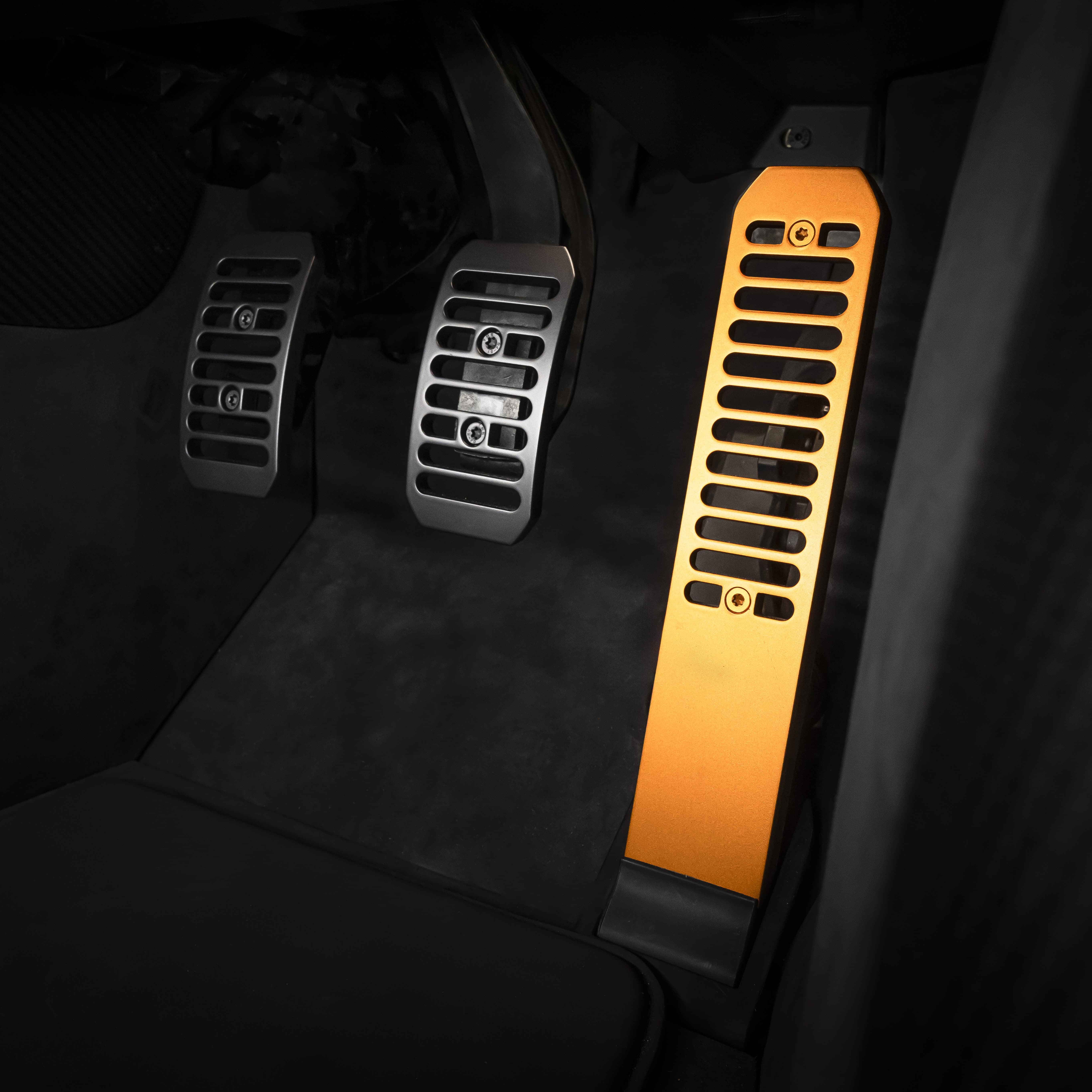
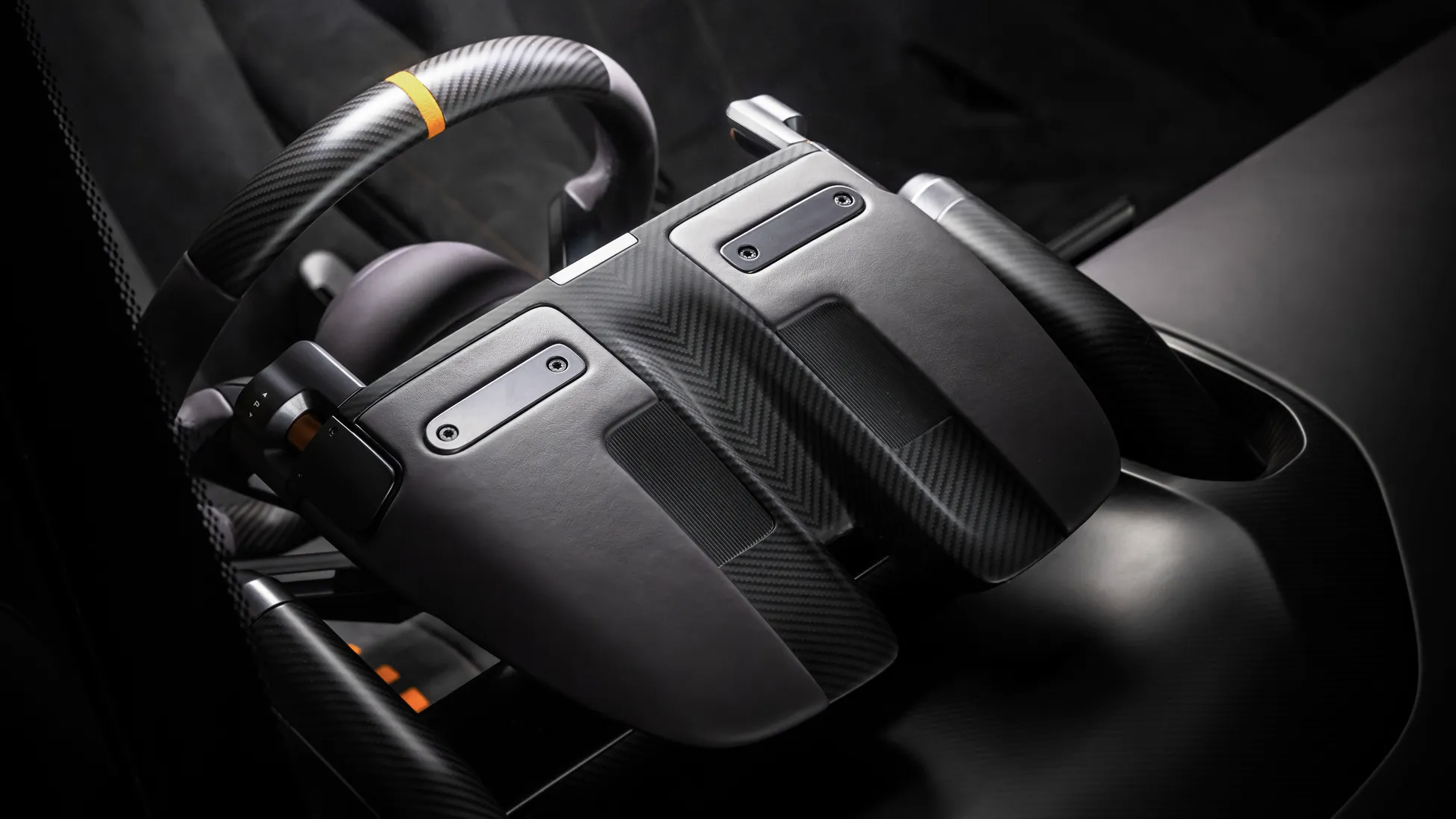
Even the steering is hydraulic, maintaining the same philosophy of communication between car and driver.
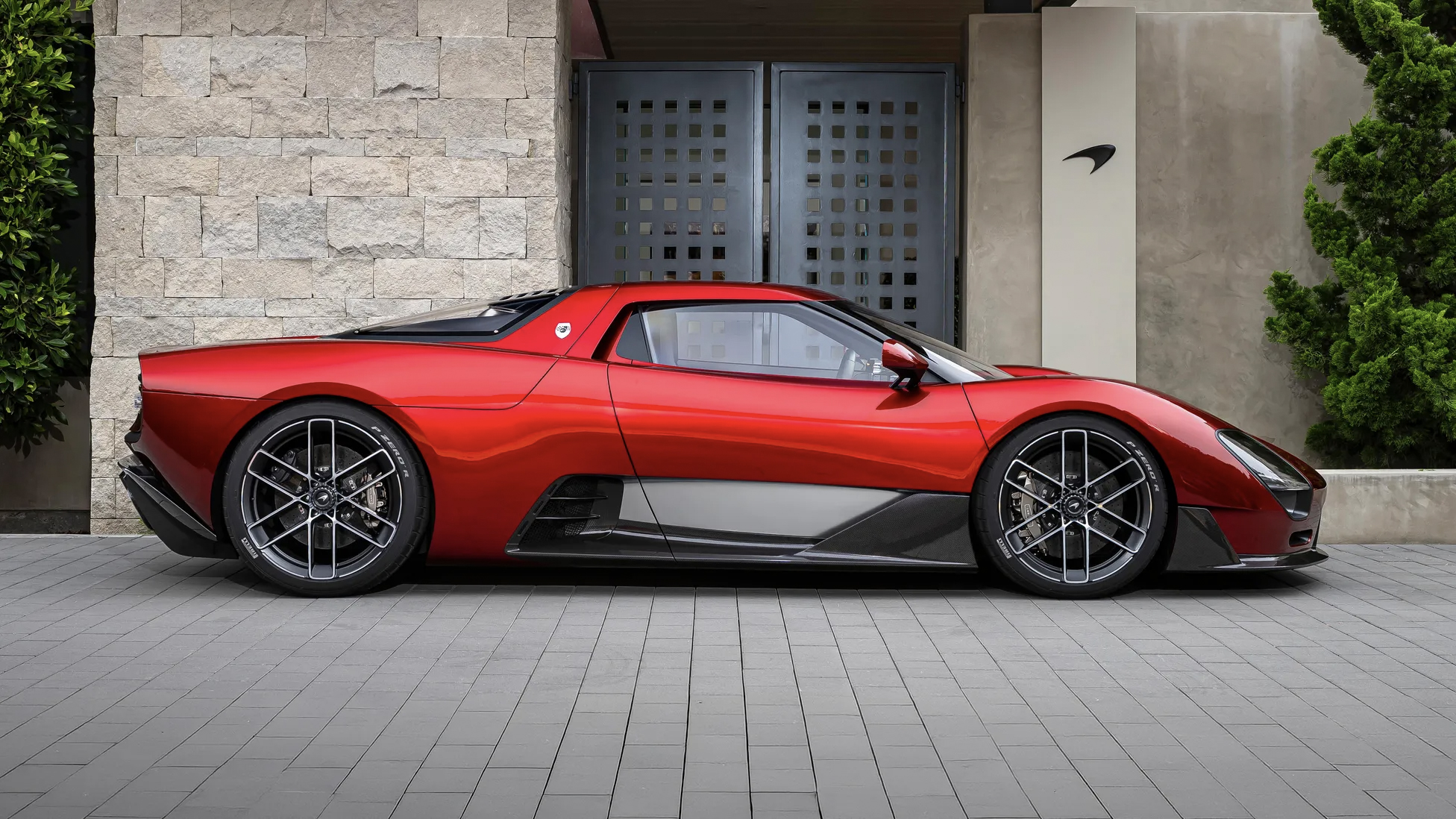
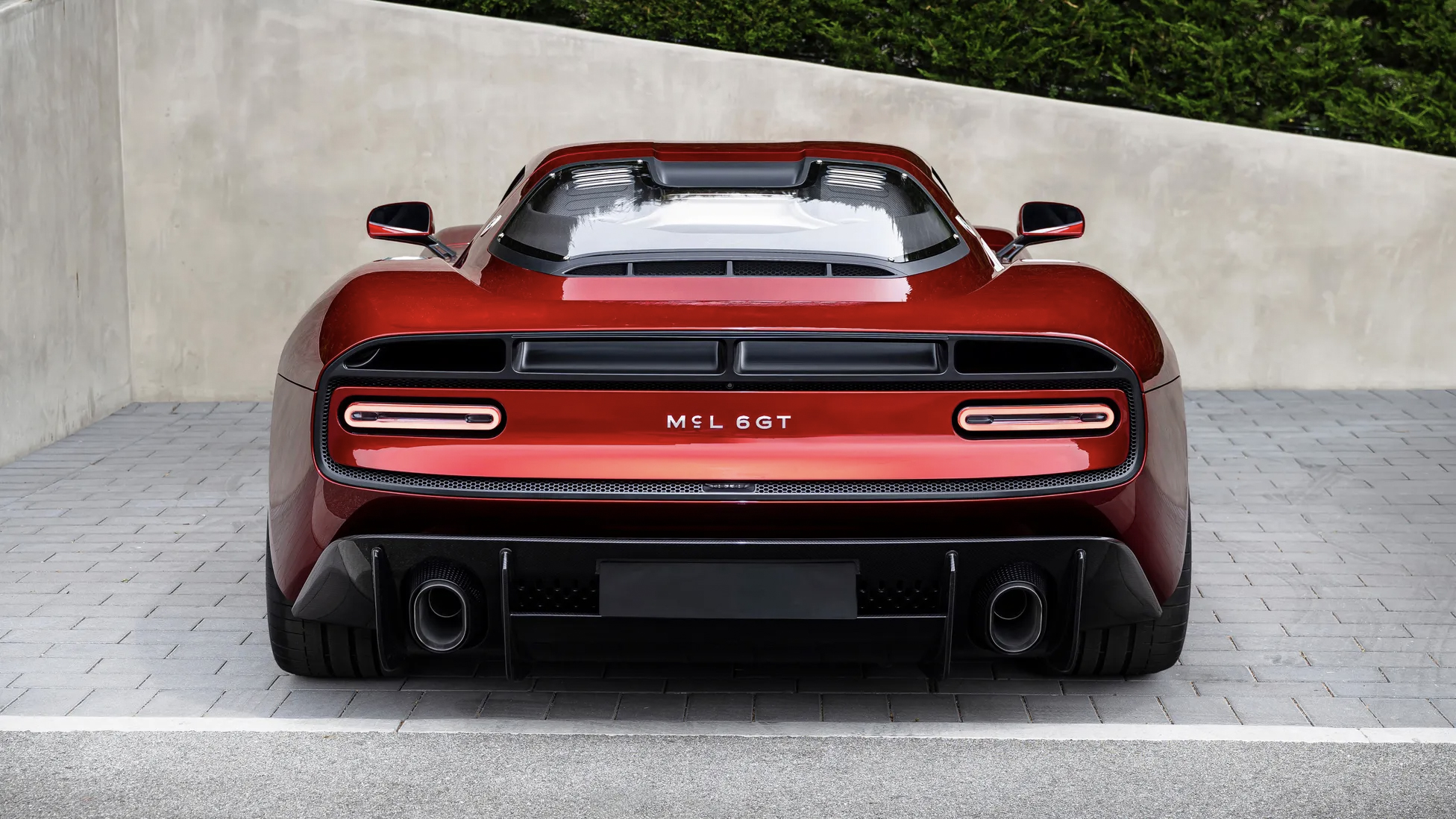
The construction is unmistakably McLaren. A super-lightweight carbon-fibre monocoque forms the foundation, while the bodywork is constructed entirely from carbon fibre. Yet rather than shaping that technology into another aggressively aerodynamic modern supercar, McLaren has used it to create something considerably more elegant.
The silhouette takes inspiration from the sports prototypes of the 1960s, particularly the M6A Can-Am racer that provided the foundations for Bruce McLaren’s original M6GT. The long, low nose flows into a tightly wrapped cabin before falling away towards a distinctive Kamm-style rear. The result is an unmistakably purposeful shape, but one that feels remarkably clean by modern supercar standards.
There are heritage details throughout, although McLaren has been careful not to make the car feel like a pastiche.
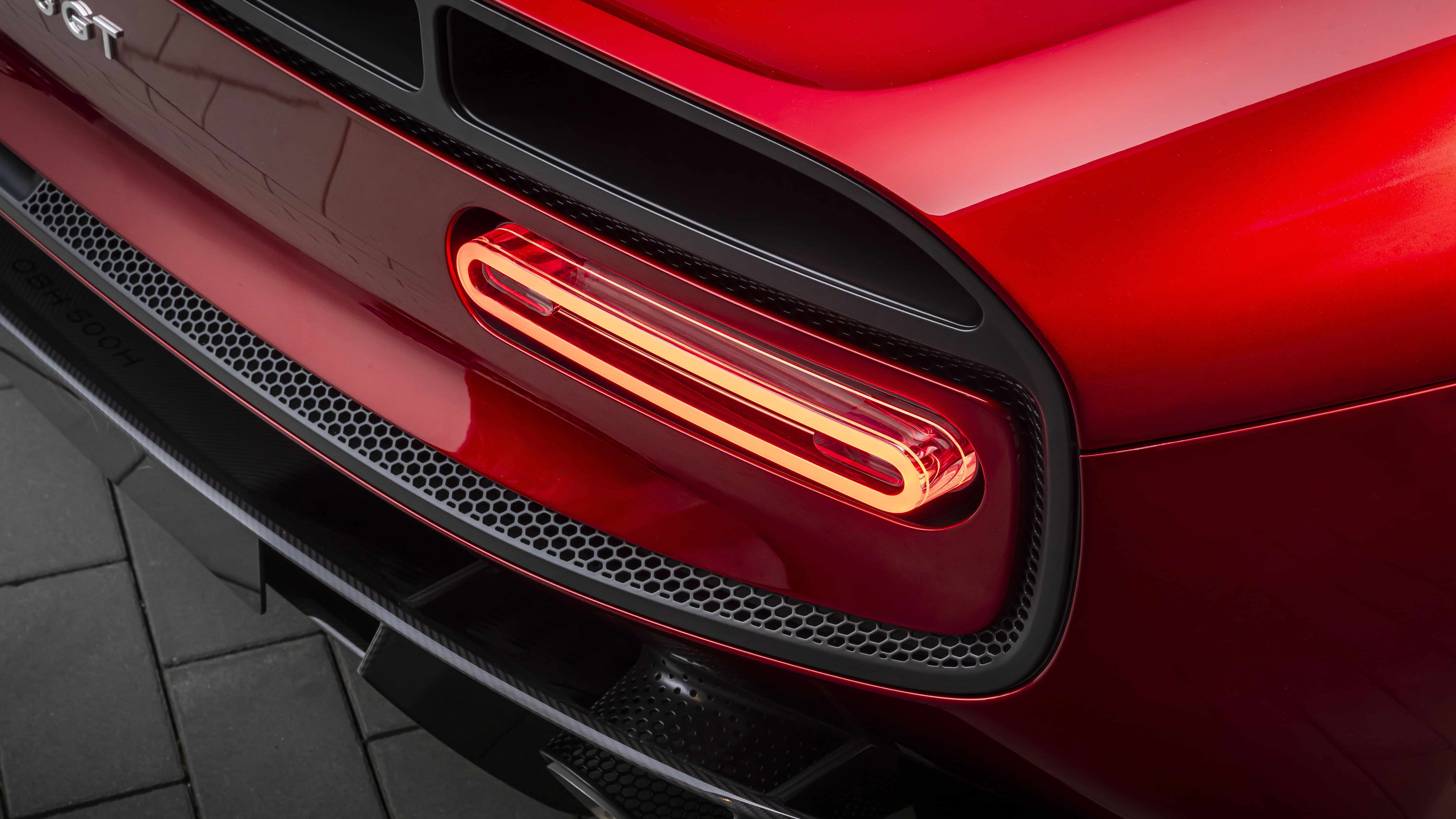
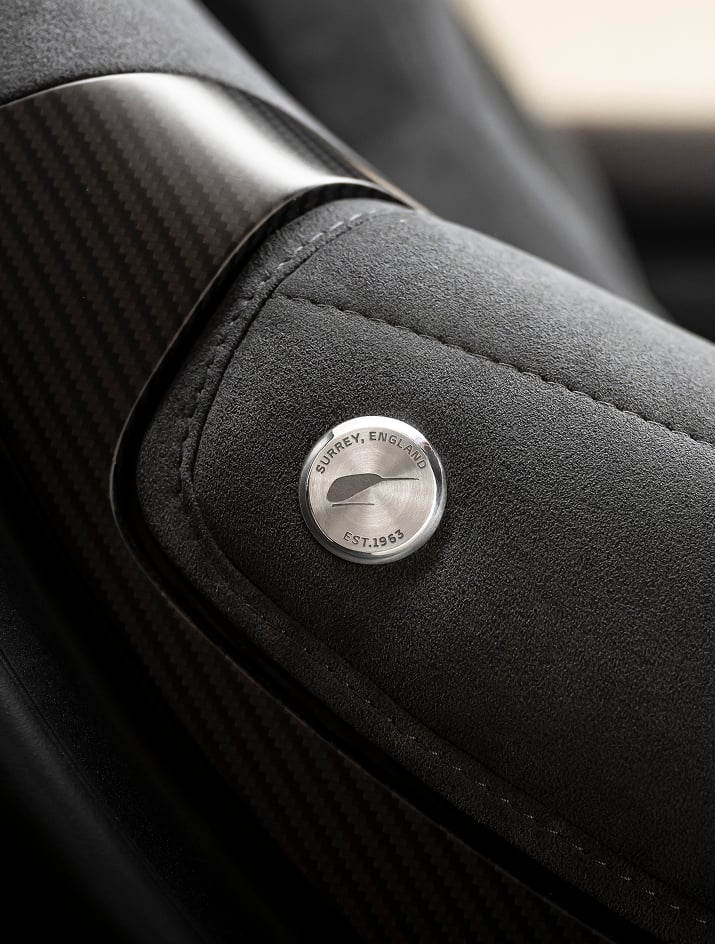
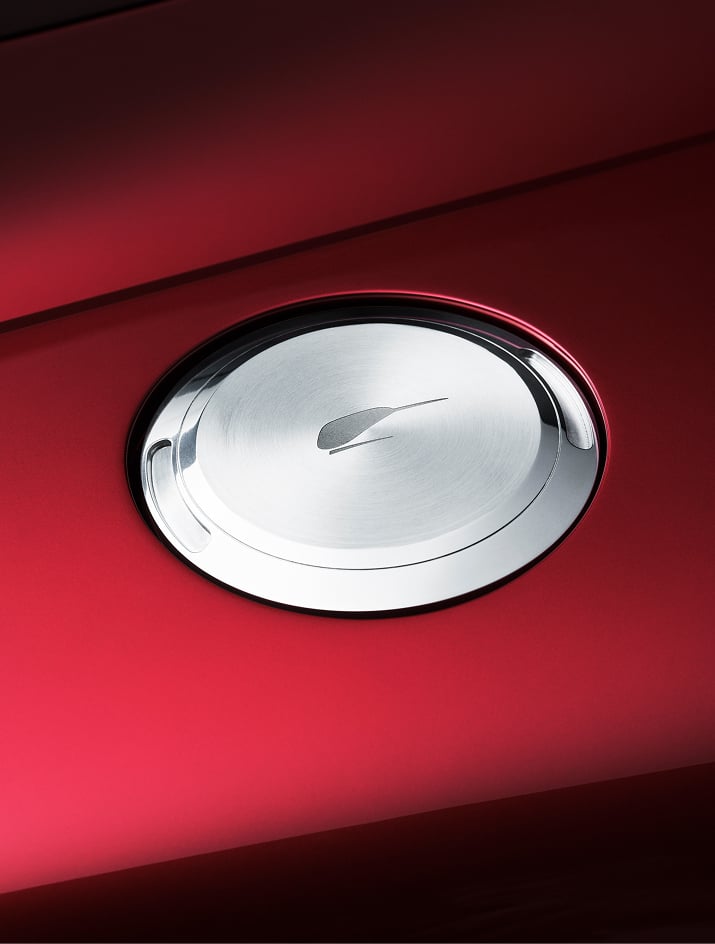
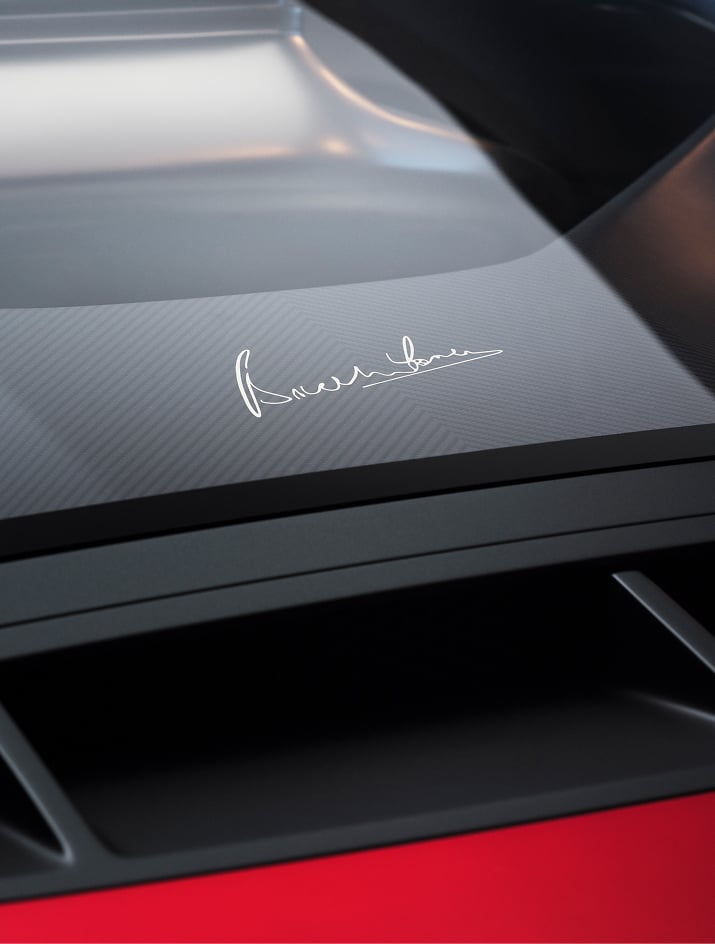
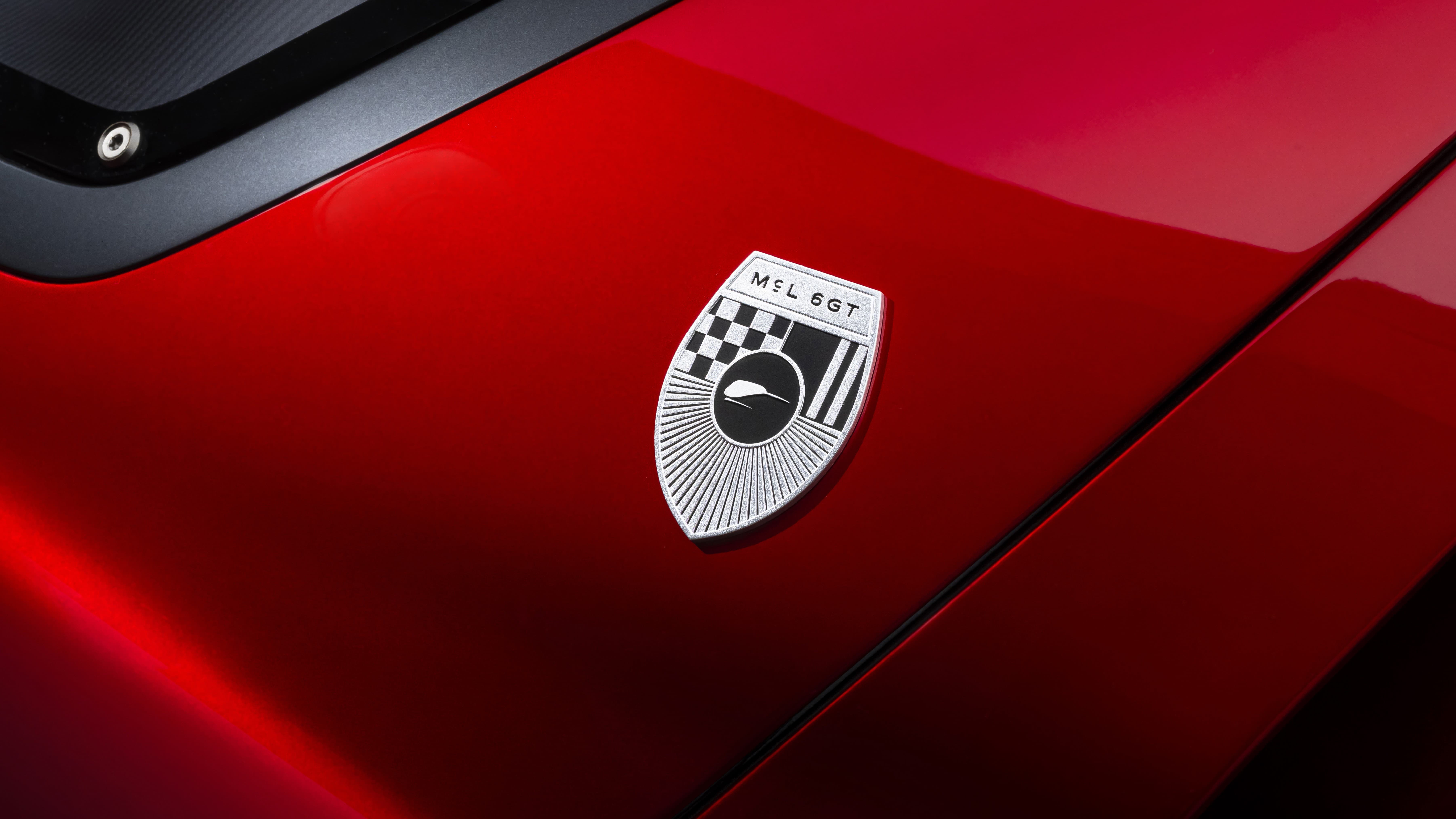
The original M6GT’s distinctive rear lighting has been reinterpreted through a ‘Racing Loop’ motif, while Bruce McLaren’s historic registration appears subtly within the exterior design. His signature is incorporated into the engine bay, and the Speedy Kiwi symbol – one of the most recognisable elements of McLaren’s heritage – is machined into the fuel filler cap.
Inside, the same philosophy continues.
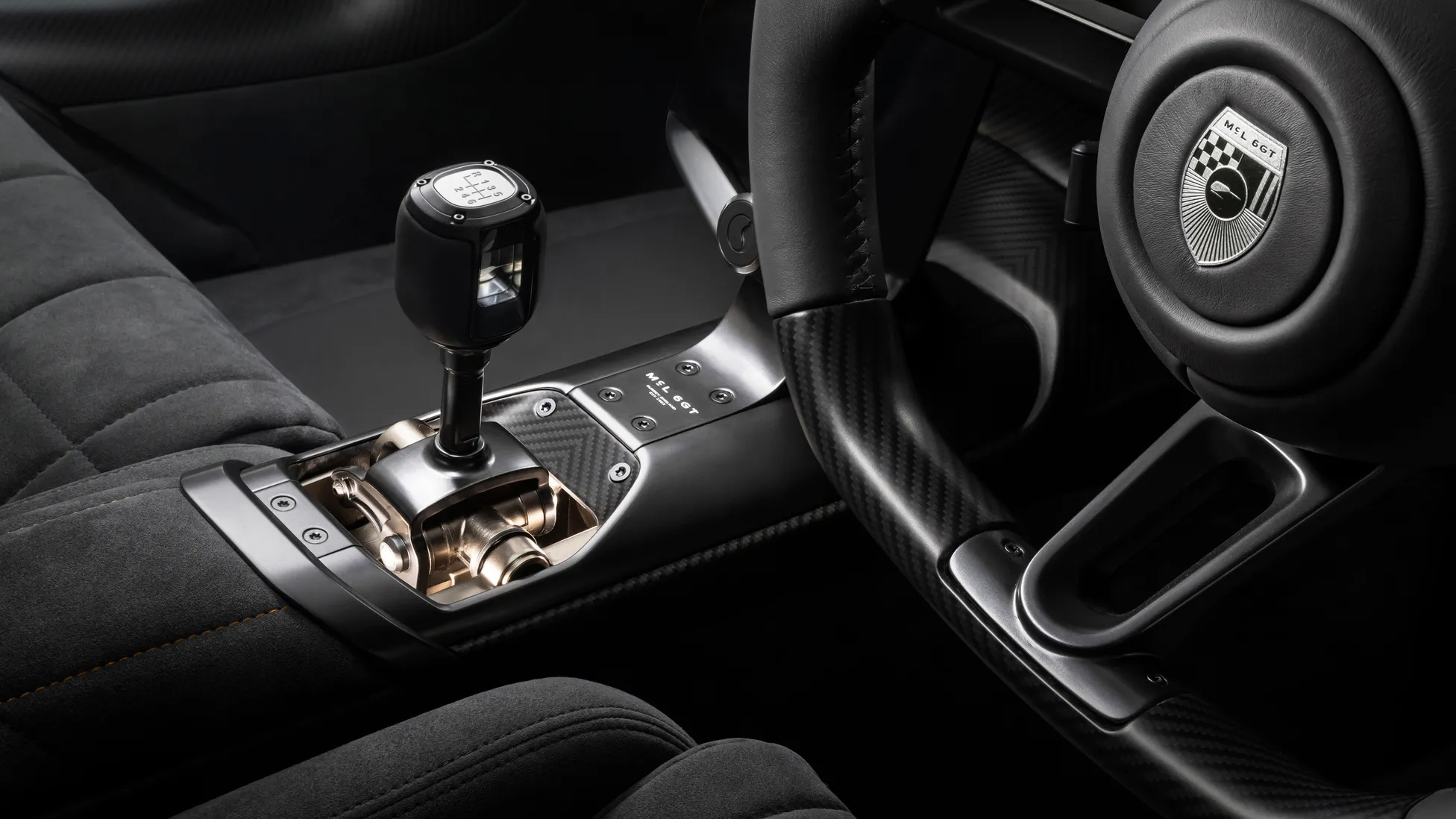
Exposed carbon fibre, tactile machined-aluminium controls and a modern interpretation of the classic box-quilted upholstery create an environment that feels luxurious without becoming detached from the mechanical character of the car. The manual gear lever is perhaps the most important component of all, with its design deliberately engineered around the physical sensation of shifting through the six-speed transmission.
It is this attention to interaction that makes the McL 6GT more interesting than simply another high-performance McLaren.
McLaren has confirmed that the production version is planned for 2028, with the concept shown at Monterey presented in near-production-ready form. Crucially, it will not replace an existing model or sit within the company’s conventional core range. Instead, it will establish a new, highly exclusive category of McLaren – one where character, craftsmanship and driver involvement take precedence over outright performance figures.
And that is perhaps the most intriguing aspect of the McL 6GT.
McLaren could have built another car designed to chase acceleration figures and lap times. Instead, it has looked back to its founder and asked a rather different question: what would Bruce McLaren’s road car have become if he had been given another sixty years of engineering development?
The answer is the McL 6GT.

It takes the spirit of a 1960s racing prototype, combines it with McLaren’s modern carbon-fibre expertise and adds the one ingredient that modern supercars are increasingly leaving behind – genuine mechanical involvement.
The numbers will come later. The production car is still some way away, and McLaren has yet to reveal the full technical specification. But perhaps that is the point.
The McL 6GT does not need to be the fastest McLaren ever built.
It simply needs to be one of the most memorable.
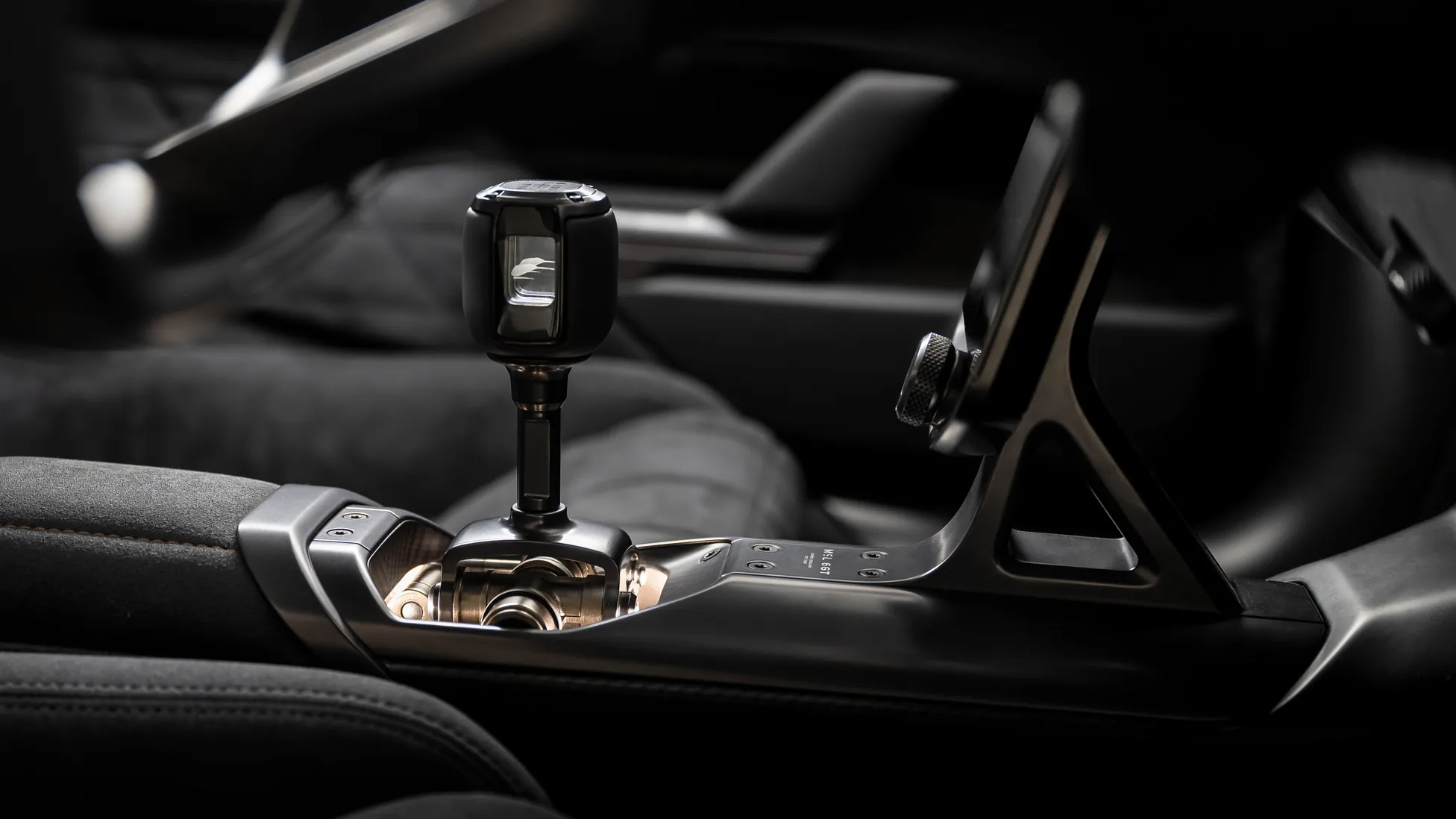
In an era where supercars are becoming ever faster, more complex and more digitally dependent, McLaren’s latest creation makes a compelling argument for going back to basics. A lightweight carbon-fibre chassis. A V8. Rear-wheel drive. Hydraulic steering. Three pedals. A proper gear lever.
And a dream that began with Bruce McLaren more than half a century ago.
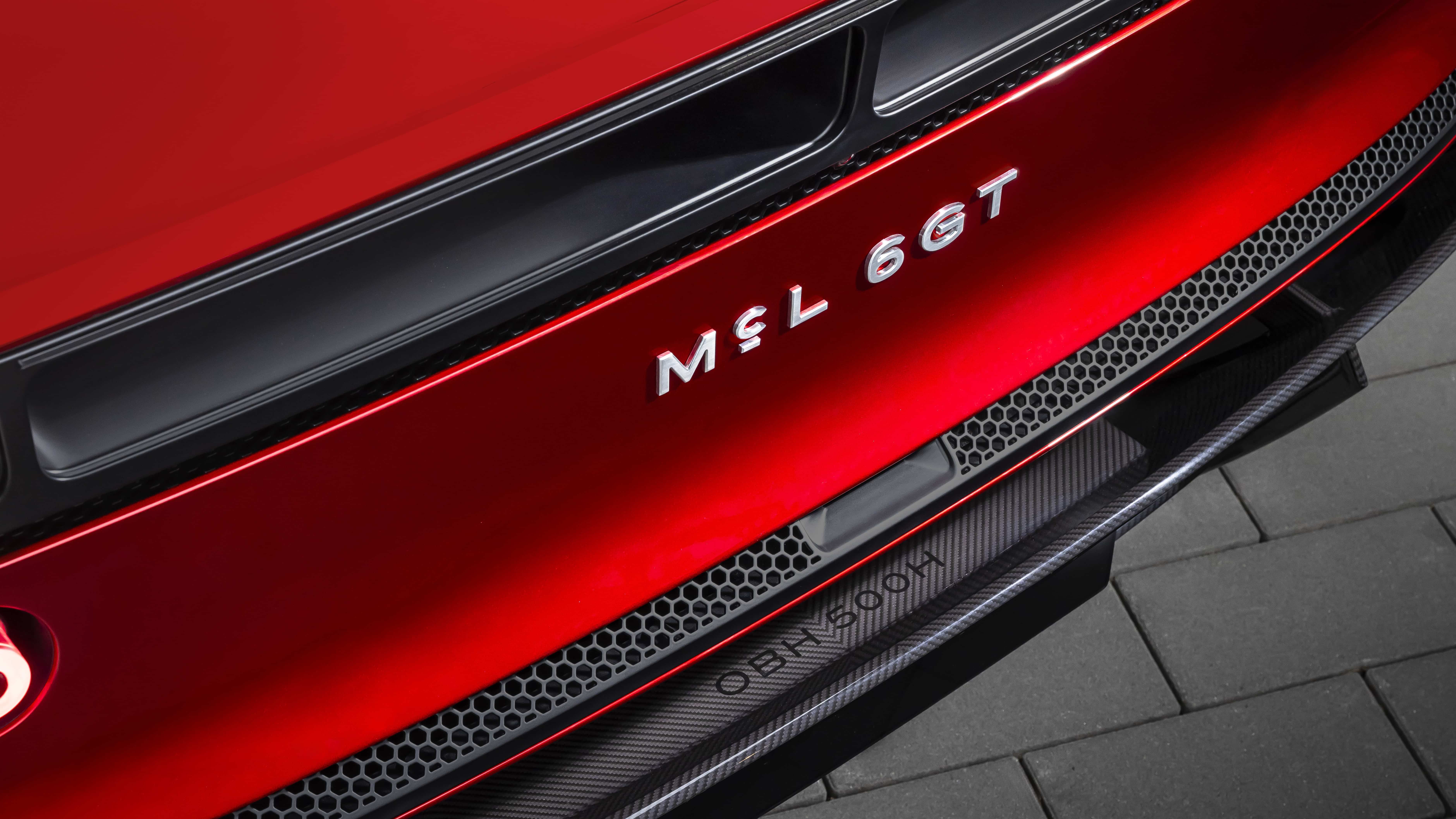
The McL 6GT is not simply a tribute to the past. It is McLaren remembering what made its cars special in the first place – and bringing that philosophy into the future.
To view the McLarens we currently have in stock, CLICK HERE.